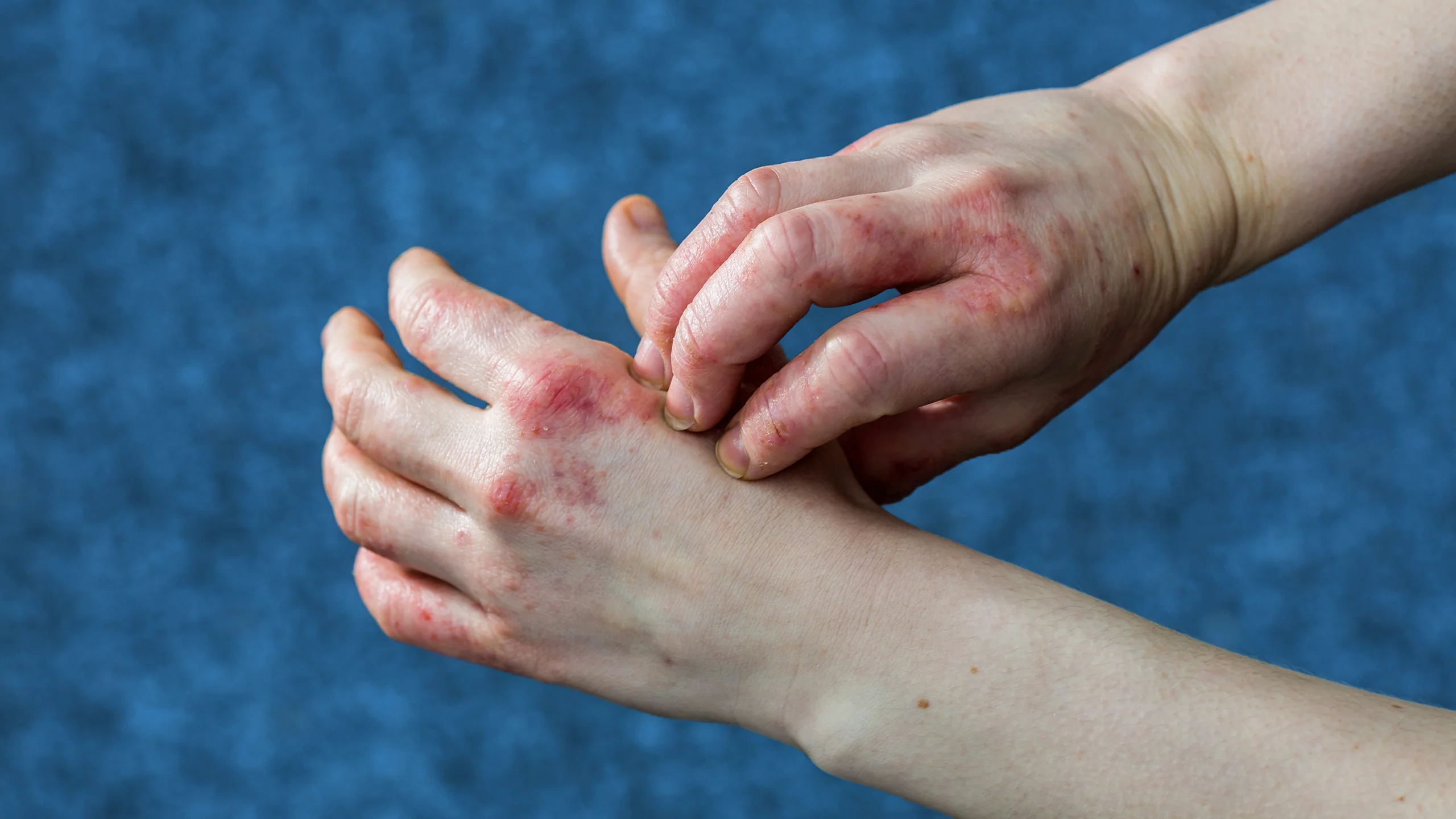
Eczema is a common skin condition that affects millions of people worldwide. While it is not life-threatening, it can significantly impact quality of life due to its persistent itching, irritation, and visible rashes. Many people wonder, What is eczema exactly, and how does it affect the body? Understanding eczema is the first step toward managing it effectively. In this article, we’ll dive deep into the causes, symptoms, types, risk factors, treatments, and lifestyle tips for living with eczema.
What Is Eczema?
Eczema, also known as atopic dermatitis, is a chronic inflammatory skin condition that causes redness, itching, dryness, and irritation. The word “eczema” comes from the Greek word meaning “to boil over,” which perfectly describes the flare-ups that occur with this condition.
It is not contagious, meaning you cannot “catch” it from another person. Instead, eczema develops due to a mix of genetic, environmental, and immune system factors.
How Common Is Eczema?
Eczema is extremely common. According to health studies, about 1 in 10 people will develop eczema at some point in their lives. It affects people of all ages but is most frequently diagnosed in children. Some children may outgrow it, while others continue to experience symptoms into adulthood.
What Causes Eczema?
There isn’t one single cause of eczema. Instead, it results from a combination of factors:
- Genetics – People with a family history of eczema, asthma, or allergies are more likely to develop the condition.
- Immune System Overreaction – The immune system sometimes responds too strongly to irritants or allergens, leading to inflammation.
- Environmental Triggers – Weather changes, pollution, or exposure to harsh soaps and detergents can worsen eczema.
- Skin Barrier Problems – People with eczema often have a weaker skin barrier, making it harder to retain moisture and easier for irritants to enter.
Types of Eczema
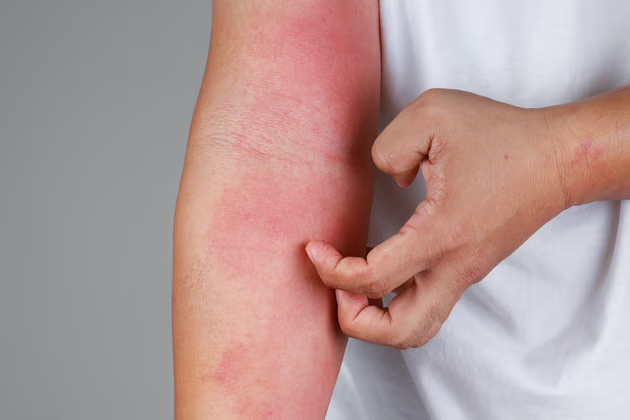
Eczema isn’t a one-size-fits-all condition. There are several different types, each with unique symptoms:
1. Atopic Dermatitis
The most common type, usually starting in childhood. It often appears on the face, neck, hands, or knees and tends to flare up periodically.
2. Contact Dermatitis
Occurs when the skin reacts to something it touches, such as soaps, fragrances, or metals like nickel.
3. Dyshidrotic Eczema
Characterized by small, itchy blisters on the hands and feet.
4. Nummular Eczema
Appears as circular patches of irritated skin that may be scaly or ooze fluid.
5. Seborrheic Dermatitis
Affects oily areas like the scalp, face, and chest, often causing dandruff-like flakes.
6. Stasis Dermatitis
Happens when fluid builds up in the lower legs due to poor circulation, leading to skin irritation and sores.
Symptoms of Eczema
The symptoms of eczema can vary depending on the type and severity, but common signs include:
- Itching (often severe, especially at night)
- Dry, sensitive skin
- Red or inflamed patches
- Rough or scaly skin texture
- Oozing or crusting blisters in severe cases
- Thickened skin from long-term scratching
Who Is at Risk for Eczema?
Certain groups of people are more likely to develop eczema:
- Children, especially those with parents who have allergies or asthma
- People with a family history of eczema
- Individuals living in urban areas with high pollution
- Those exposed to strong irritants or allergens regularly
Triggers That Can Worsen Eczema
Eczema flare-ups are often triggered by specific factors. Common triggers include:
- Harsh soaps, detergents, or fragrances
- Cold, dry weather
- Stress and anxiety
- Certain foods (like dairy, eggs, or nuts in some individuals)
- Sweat and overheating
- Pet dander and dust mites
How Is Eczema Diagnosed?
Doctors usually diagnose eczema by examining the skin and asking about symptoms and medical history. In some cases, allergy tests or skin patch tests may be done to identify triggers.
Treatment Options for Eczema
Although eczema has no cure, many treatments can help manage symptoms:
1. Medications
- Topical corticosteroids – Reduce inflammation and itching
- Calcineurin inhibitors – Control immune response in sensitive areas
- Antihistamines – Relieve itching, especially at night
- Antibiotics – Treat infections caused by scratching
2. Moisturizers
Regularly applying fragrance-free moisturizers keeps skin hydrated and reduces flare-ups.
3. Phototherapy
Light therapy (UV light) can help reduce inflammation in chronic cases.
4. Lifestyle Adjustments
Simple daily habits, like avoiding hot showers and wearing soft cotton clothing, can ease discomfort.
Natural Remedies for Eczema

Some natural methods can complement medical treatments:
- Coconut oil – Helps moisturize dry skin and reduce bacteria
- Aloe vera – Soothes irritation and inflammation
- Oatmeal baths – Calm itching and redness
- Sunflower seed oil – Supports skin barrier function
Living with Eczema: Daily Care Tips
Managing eczema often requires consistent self-care. Here are some helpful tips:
- Use gentle, fragrance-free skin products
- Moisturize at least twice a day
- Keep nails trimmed to avoid skin damage from scratching
- Manage stress with yoga, meditation, or breathing exercises
- Stay hydrated by drinking plenty of water
- Wear breathable fabrics like cotton instead of wool
Complications of Eczema
If left untreated, eczema can lead to:
- Skin infections from bacteria entering broken skin
- Sleep problems due to nighttime itching
- Emotional distress such as anxiety, low self-esteem, or depression
Can Eczema Be Prevented?
While eczema can’t always be prevented, flare-ups can often be minimized with the right care:
- Avoid known triggers
- Keep skin well-hydrated
- Use hypoallergenic skincare products
- Maintain a balanced diet to support overall health
Conclusion
Eczema is a chronic skin condition that can be frustrating and uncomfortable, but it is manageable with the right care. Understanding what eczema is, recognizing its symptoms, and knowing the triggers can make a big difference in controlling flare-ups. By combining medical treatments, natural remedies, and good skincare habits, individuals with eczema can lead healthy, comfortable lives.
Read More About Eczema