
Heart disease remains one of the leading causes of death worldwide, but here’s the good news, much of it can actually be prevented. While genetics and age play a role, lifestyle choices are often the biggest factor. From the natural steps you take daily to what you eat to how much you move can significantly lower your chances of developing cardiovascular problems. Let’s explore how you can protect your heart health without relying solely on medication.
Understanding Heart Disease
Heart disease is a broad term that includes conditions like coronary artery disease, heart attacks, heart failure, and arrhythmias. It often develops when arteries become clogged with plaque a buildup of fat, cholesterol, and other substances. This restricts blood flow, leading to serious complications.
1. Adopt a Heart-Healthy Diet Heart Disease
– Eat more fruits and vegetables
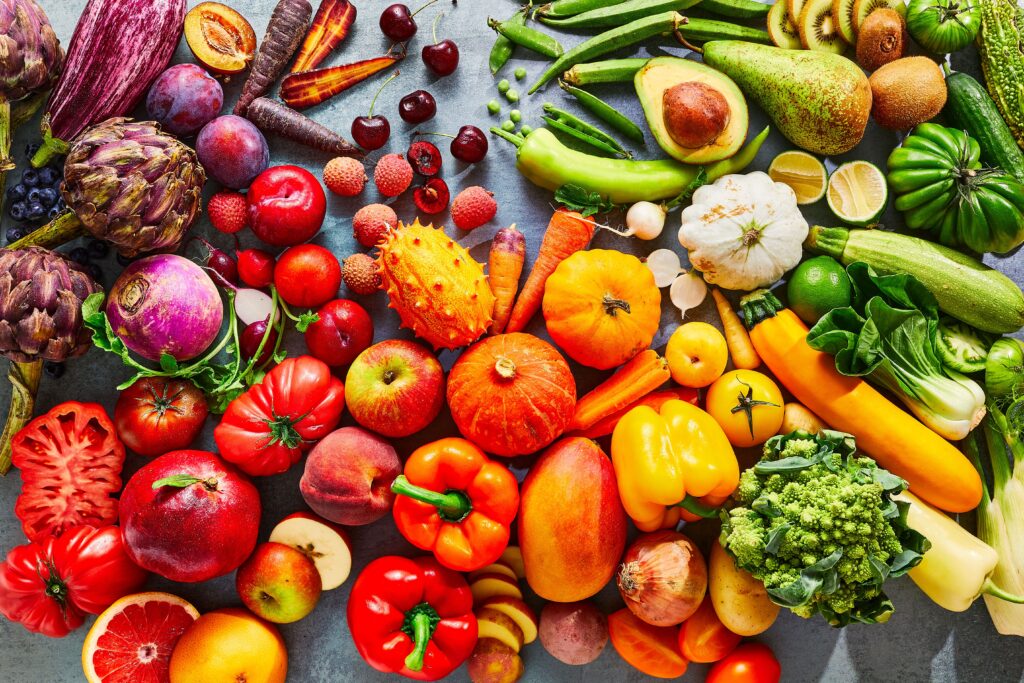
Fruits and veggies are packed with fiber, vitamins, and antioxidants that help reduce inflammation and cholesterol levels. Aim for at least five servings a day.
– Choose whole grains over refined carbs
Whole grains like oats and brown rice support better heart health by improving digestion and lowering cholesterol.
– Limit unhealthy fats
Saturated fats and trans fats can increase “bad” cholesterol (LDL). Swap them with healthier fats found in nuts, olive oil, and avocados.
– Reduce salt intake
Too much sodium raises blood pressure, a major risk factor for heart disease. Replace with herbs and spices instead of salt to flavor your meals.
Foods That Are Good for Heart: Eat Your Way to a Healthier Life
2. Stay Physically Active Heart Disease
Exercise strengthens your heart and improves circulation. You don’t need a gym membership, walking, cycling, dancing, or swimming are excellent options.
- Aim for at least 150 minutes of moderate exercise per week.
- Include both aerobic activities and strength training.
- Even short bursts of activity, like taking the stairs, make a difference.
3. Maintain a Healthy Weight Heart Disease
Excess weight increases the strain on your heart and raises the risk of high blood pressure, diabetes, and high cholesterol.
- Focus on gradual, sustainable weight loss if needed.
- Combine a healthy diet with regular exercise.
- Track your progress because small changes add up over time.
4. Quit Smoking Heart Disease
Smoking damages blood vessels, lowers oxygen in the blood, and significantly increases heart disease risk. Quitting isn’t easy, but the benefits start immediately:
- Within 20 minutes, blood pressure drops.
- Within a year, the risk of heart disease is cut in half.
- Long-term, your risk becomes similar to that of a non-smoker.
5. Manage Stress Naturally
Chronic stress triggers inflammation and raises blood pressure. Learning to manage stress is crucial for heart health.
- Try relaxation techniques like meditation, deep breathing, or yoga.
- Spend more time in the nature
- Stay socially connected because strong relationships protect your heart.
6. Get Quality Sleep
Poor sleep increases risks of obesity, high blood pressure, and diabetes. All of this are contributors to heart disease.
- Aim for 7–9 hours of sleep per night.
- Stick to a regular sleep schedule.
- Avoid screens before bedtime to improve sleep quality.
7. Stay Hydrated
Proper hydration helps maintain healthy blood circulation and prevents strain on the heart. Aim for 6–8 glasses of water daily depending on your activity level and climate.
8. Natural Supplements That Support Heart Health
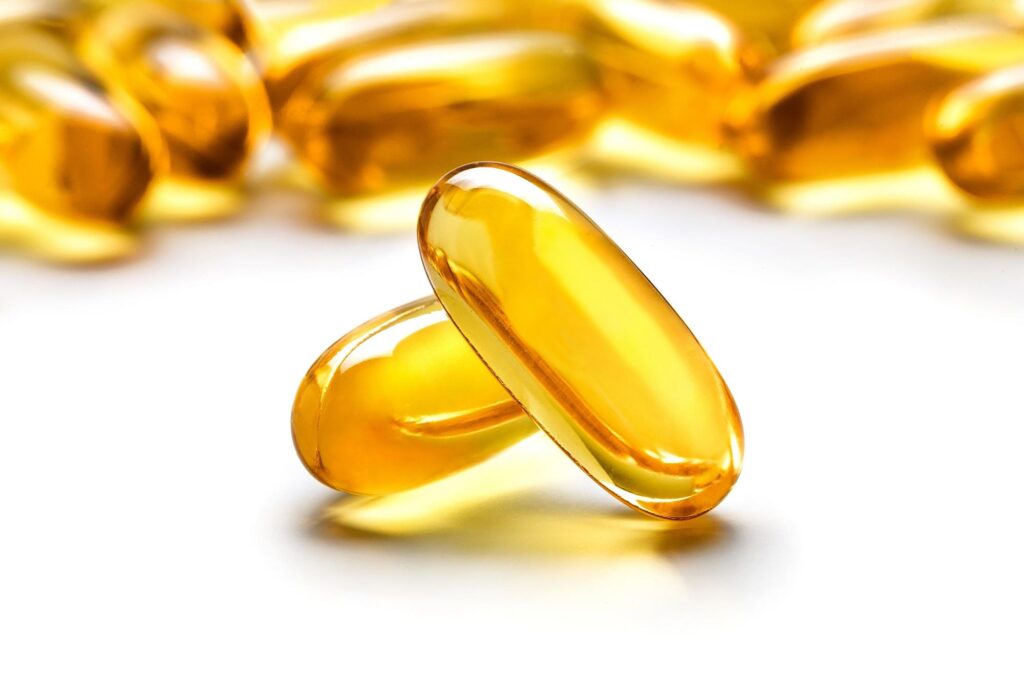
While food should be your primary source of nutrients, some natural supplements may help:
- Omega-3 fatty acids (found in fish oil) reduce inflammation.
- CoQ10 supports heart energy and may lower blood pressure.
- Magnesium helps regulate heart rhythm.
Always consult your doctor before starting supplements.
Conclusion
Heart disease doesn’t develop overnight, and preventing it isn’t about one single change. It’s about a collection of small, consistent habits like eating well, staying active, managing stress, and listening to your body.
Read More About Heart Disease