
Have you ever found yourself raiding the fridge at midnight, searching for a snack? Don’t worry, you’re not alone. Midnight snacking is incredibly common, but it sparks a big debate: Is midnight snacking bad for you? Some claim it leads to weight gain and poor sleep, while others argue that it’s harmless if done right. Let’s dive deep into the science, habits, and myths around late-night eating.
What Is Midnight Snacking?
Midnight snacking isn’t just having dinner late, it’s the habit of eating after your main meals, usually right before bed or in the middle of the night. It could be a bowl of cereal, leftover pizza, or even just a handful of chips. The key difference is that it’s often unplanned eating driven by cravings, not true hunger.
Why Do People Snack at Midnight?
Hunger vs. Habit
Sometimes, you’re genuinely hungry, especially if dinner was light or eaten early. But more often, midnight snacking comes from habit—your body expects a treat because you’ve done it before.
Emotional Eating and Boredom
Stress, loneliness, or simply scrolling on your phone can trigger “mindless munching.” Midnight becomes snack time, not because of hunger but because of emotions.
Biological Factors
Your circadian rhythm affects appetite hormones. Studies show cravings for high-calorie, sugary foods are stronger at night. This makes resisting late-night snacking even harder.
The Science Behind Midnight Snacking
At night, your body’s metabolism slows down. This means calories consumed close to bedtime are less likely to be burned efficiently. Your digestive system also works slower, which can make heavy midnight meals harder to process.
Is Midnight Snacking Always Bad?
Not necessarily. The problem isn’t the timing alone, it’s the type and amount of food. Grabbing a small protein-rich snack may not hurt, but eating a full meal of pizza and fries at midnight definitely will.

Effects on Weight Management
Studies suggest that late-night eating can disrupt calorie balance and lead to weight gain. Your body prefers to burn energy during the day, so eating late often means those calories get stored as fat. Timing matters just as much as quantity.
Impact on Sleep Quality
Eating heavy or greasy foods before bed can lead to tossing and turning. Spicy or fatty snacks may cause indigestion, making it harder to fall asleep. On the flip side, a light snack like yogurt or a banana might actually improve sleep thanks to tryptophan and magnesium.
Midnight Snacking and Digestion
Lying down soon after eating can trigger acid reflux or heartburn. Your stomach struggles to process food efficiently while you’re asleep, which can disrupt both digestion and rest.
Influence on Blood Sugar Levels
For people with diabetes or prediabetes, midnight snacks can be risky. At night, insulin sensitivity is lower, meaning your body struggles to handle sugar. This can lead to blood sugar spikes that aren’t ideal for health.
Psychological Aspects of Midnight Snacking
Midnight eating can become a cycle. Once your brain links “late night” with “food reward,” the habit strengthens. Over time, this creates a psychological loop that’s hard to break.
Healthy Alternatives for Midnight Cravings
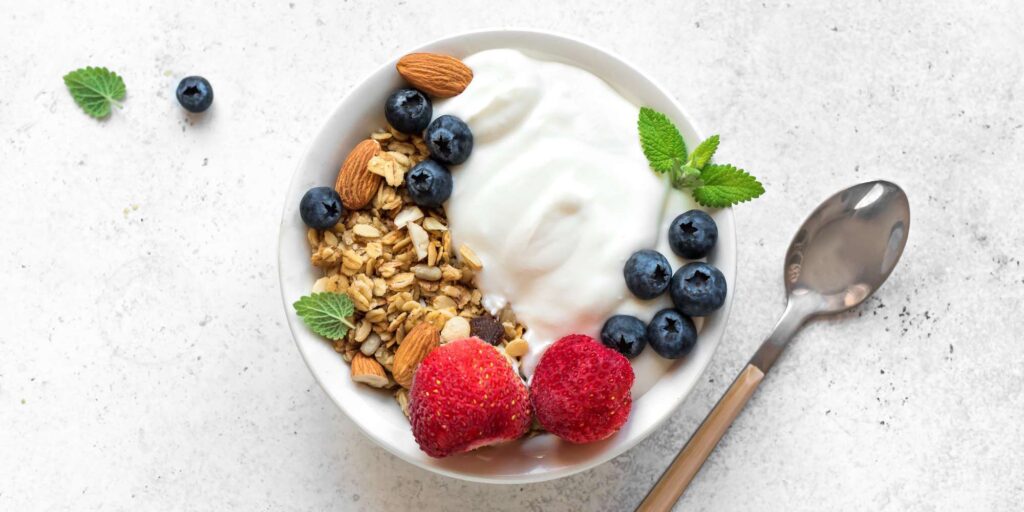
If you must snack, choose wisely:
- Greek yogurt with berries
- A banana or apple with peanut butter
- A handful of almonds
- Whole-grain crackers with hummus
These snacks are light, nutrient-dense, and won’t overload your digestive system.
The 14 Best Healthy Late Night Snacks
Tips to Avoid Unnecessary Midnight Snacking
- Eat balanced dinners with protein and fiber to stay fuller longer.
- Stay hydrated—sometimes thirst feels like hunger.
- Brush your teeth early as a signal that eating time is over.
- Set a sleep routine so you’re not awake long enough to crave snacks.
When Midnight Snacking Might Be Okay
For athletes who need extra fuel or shift workers with unusual hours, midnight snacks can be part of a balanced routine. The key is making healthy, portion-controlled choices instead of indulging in high-calorie junk.
Expert Opinions on Midnight Eating
It’s not the time of eating that matters most, but the quality of food and overall daily calorie balance. Midnight snacking is only a problem when it leads to overeating or disrupts sleep and digestion.
Conclusion
So, is midnight snacking bad for you? The answer: It depends. If it’s occasional, portion-controlled, and made up of healthy foods, it’s not the end of the world. But making it a nightly habit with unhealthy choices can impact your weight, digestion, and sleep. The best strategy is to listen to your body, only eat when you’re truly hungry, not just when you’re bored.
Read more : Eating Disorders in Children: What Parents Need to Know