


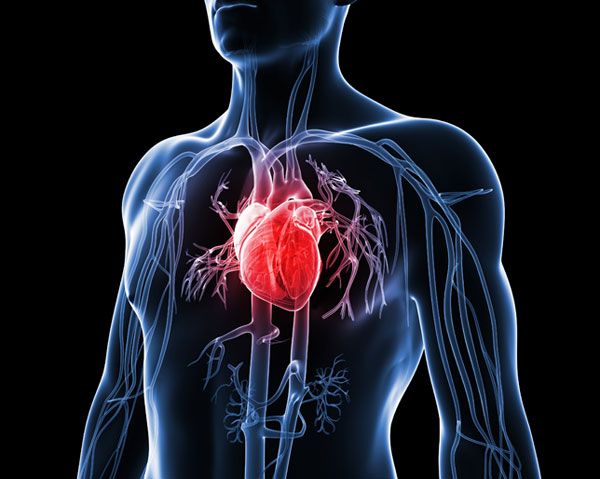
Your heart works hard because it beats around 100,000 times a day to keep you alive. But how often do you think about what it needs to stay healthy? One of the most powerful ways to protect your heart is through your diet.
If you’ve ever wondered “What foods are good for heart health?”, you’re in the right place. In this guide, we’ll explore the best heart-healthy foods, why they work, and how to easily add them to your daily meals.
Why Your Diet Matters for Heart Health
Your diet directly impacts cholesterol levels, blood pressure, blood sugar, and inflammation all of which play a role in cardiovascular health. The right foods can:
- Lower bad cholesterol (LDL) and increase good cholesterol (HDL)
- Reduce inflammation in blood vessels
- Improve blood circulation
- Maintain a healthy weight, reducing heart strain
1. Fatty Fish
Fatty fish like salmon, mackerel, sardines, and tuna are packed with omega-3 fatty acids. Healthy fats that protect your heart.
Benefits:
- Reduces triglycerides
- Lowers risk of arrhythmia (irregular heartbeat)
- Decreases plaque buildup in arteries
How to Eat: Grill salmon with lemon and herbs, or make a tuna salad with olive oil instead of mayonnaise.
2. Leafy Green Vegetables
Spinach, kale, collard greens, and Sawi are loaded with vitamins, minerals, and antioxidants especially vitamin K, which helps protect arteries.
Benefits:
- Improves blood clotting
- Reduces blood pressure
- Provides dietary nitrates for better circulation
How to Eat: Add in to smoothies, sauté with garlic, or toss in a fresh salad.
3. Whole Grains
Oats, quinoa, brown rice, and whole wheat bread are rich in fiber, which helps reduce cholesterol and keep blood sugar stable.
Benefits:
- Reduces LDL cholesterol
- Improves digestion
- Supports long-term heart health
How to Eat: Start your day with oatmeal topped with berries, or swap white rice for quinoa.
4. Berries
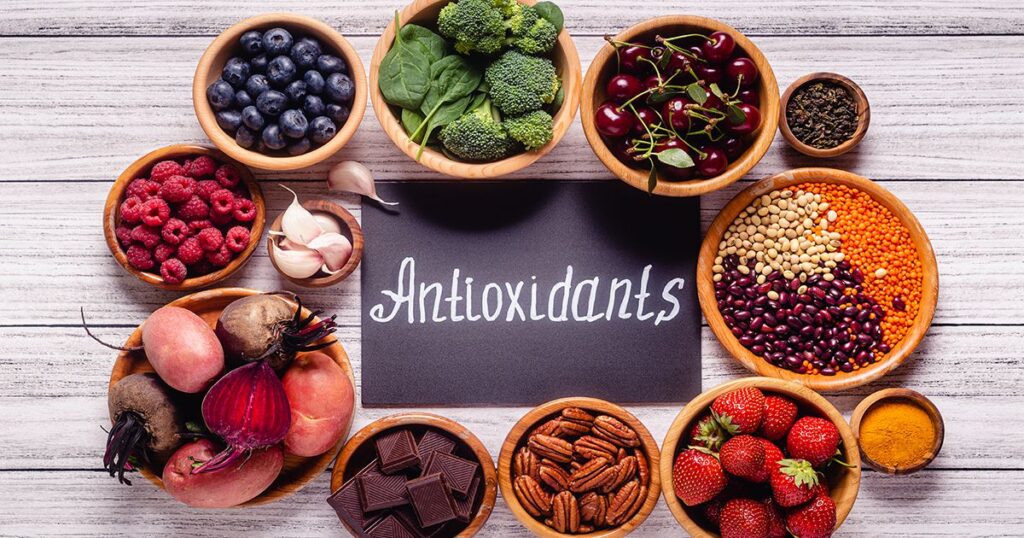
Blueberries, strawberries, raspberries, and blackberries are rich in antioxidants like anthocyanins that protect against oxidative stress.
Benefits:
- Reduces blood pressure
- Lowers inflammation
- Improves blood vessel function
How to Eat: Enjoy as a snack, add to yogurt, or blend into smoothies.
5. Nuts and Seeds
Walnuts, almonds, chia seeds, and flaxseeds are nutrient-dense and full of healthy fats, fiber, and protein.
Benefits:
- Improves cholesterol balance
- Reduces inflammation
- Supports healthy blood vessels
How to Eat: Snack on almonds, or add walnuts to a salad.
6. Avocados
Avocados are high in monounsaturated fats, which help lower LDL cholesterol while boosting HDL cholesterol.
Benefits:
- Promotes healthy weight
- Supports heart-friendly fat intake
- Reduces risk of heart disease
How to Eat: Mash onto whole grain toast, blend into smoothies, or add to salads.
7. Olive Oil
Extra virgin olive oil is well-known for its heart-protective benefits.
Benefits:
- Rich in antioxidants
- Reduces inflammation
- Improves cholesterol profile
How to Eat: Use as a salad dressing, drizzle over roasted vegetables, or replace regular oil in cooking.
8. Legumes
Beans, lentils, and chickpeas are great plant-based protein sources loaded with fiber, folate, and minerals.
Benefits:
- Lowers LDL cholesterol
- Helps control blood sugar
- Supports weight management
How to Eat: Make lentil soup, add chickpeas to salads, or enjoy black bean tacos.
9. Dark Chocolate
Dark chocolate (70% cocoa or more) contains flavonoids, which improve blood flow and reduce blood pressure.
Benefits:
- Supports healthy arteries
- Reduces stress
- Boosts mood—good for emotional heart health too
How to Eat: Enjoy a small square as a treat but make sure watch the sugar content.
10. Tomatoes
Tomatoes are rich in lycopene, a powerful antioxidant that lowers the risk of heart disease.
Benefits:
- Reduces LDL oxidation
- Improves blood vessel function
- Provides vitamin C and potassium
How to Eat: Add to salads, make fresh tomato sauce, or roast for deeper flavor.
Other Lifestyle Tips for a Healthy Heart
Eating the right foods is just one piece of the puzzle. Pair your heart-healthy diet with these habits:
- Exercise regularly at least 2 times per week
- Avoid smoking and limit alcohol
- Manage stress through mindfulness or hobbies
- Get enough sleep from 7 to 9 hours a night
- Stay hydrated to keep blood flowing smoothly
Conclusion
When it comes to heart health, every bite counts. Foods like fatty fish, leafy greens, whole grains, berries, nuts, and olive oil can make a big difference in lowering your risk of heart disease. By making these foods a regular part of your diet, you’re giving your heart the nutrition it needs to stay strong for years to come.















Comments 1