The skincare world is buzzing with the term “skin barrier.” If you’ve ever dealt with dryness, irritation, or breakouts, chances are your skin barrier was involved. But what exactly is it, and why is it so important? Understanding the skin barrier is the first step toward healthier, glowing skin.
Understanding the Skin Barrier
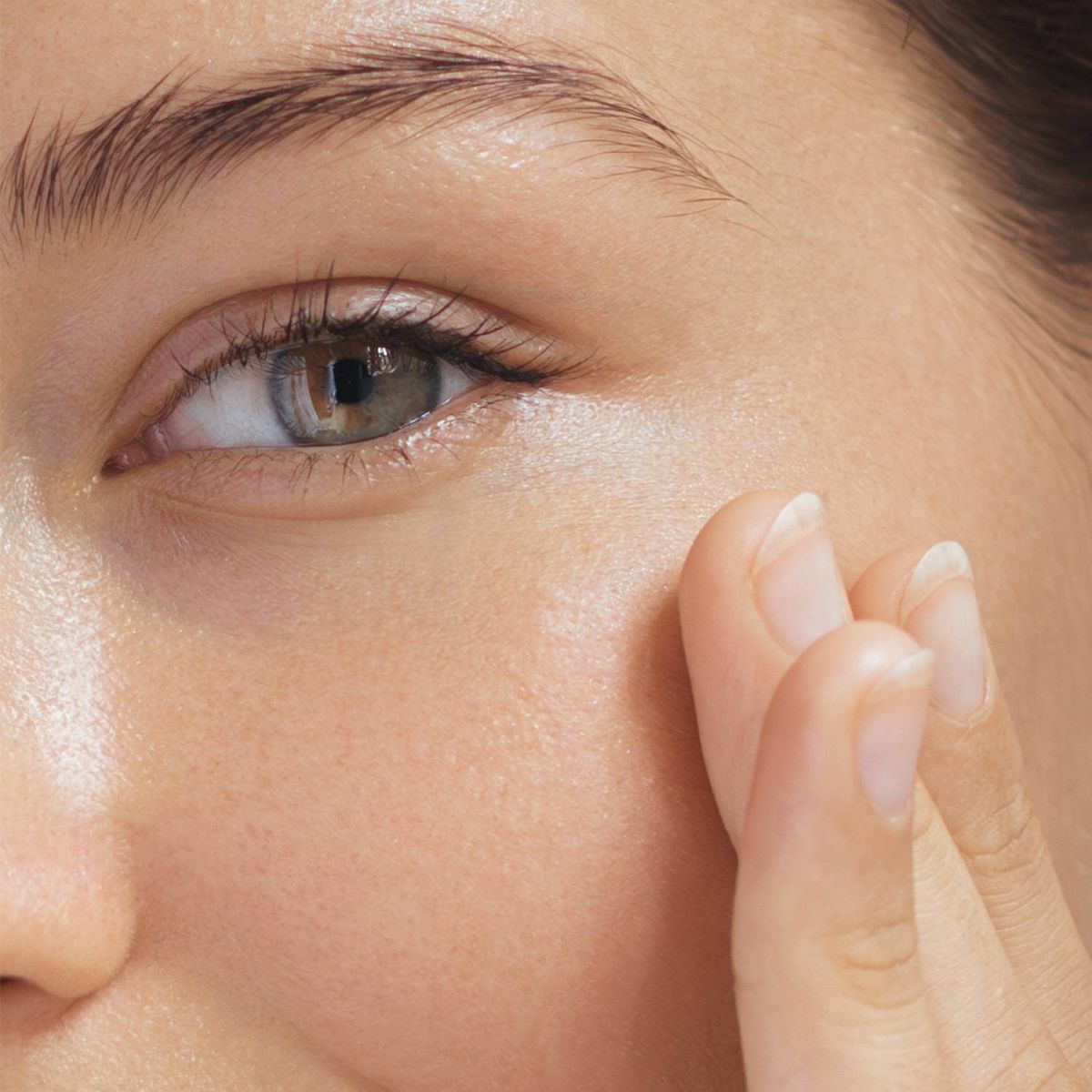
The skin barrier, also known as the stratum corneum, is the outermost layer of your skin. Think of it as your body’s shield—it protects against harmful bacteria, pollutants, toxins, and even dehydration. Without a healthy barrier, your skin becomes vulnerable to irritation, infections, and premature aging.
Structure of the Skin Barrier
Your skin is made up of three main layers:
- Epidermis – the outer layer, where the barrier lives.
- Dermis – the middle layer, containing collagen, elastin, and blood vessels.
- Hypodermis – the deepest layer, made of fat and connective tissue.
Within the epidermis lies the stratum corneum. It’s often described as a “brick-and-mortar” system: skin cells (bricks) are held together by lipids (mortar), creating a sturdy wall of protection.

Functions of the Skin Barrier
The skin barrier does more than you think:
- Protects against external aggressors like UV rays, pollution, and bacteria.
- Prevents water loss, keeping skin hydrated and plump.
- Maintains skin health by balancing oil, moisture, and pH levels.
Signs of a Healthy Skin Barrier
When your barrier is strong, your skin looks and feels its best:
- Smooth and even texture
- Hydrated and supple
- Minimal sensitivity or irritation
A healthy barrier means your skincare products work better too, since your skin can absorb and retain ingredients more effectively.
Read More: Benefits Of Dark Chocolate For Heart Health
Signs of a Damaged Skin Barrier
A compromised barrier is easy to spot. Common signs include:
- Persistent redness and irritation
- Dryness, flakiness, or tightness
- Sudden sensitivity to products that never caused issues before
- Breakouts or inflammation
If your skin feels “out of control,” your barrier might be the culprit.
Causes of Skin Barrier Damage
Several factors can weaken your barrier:
- Over-exfoliation: Too much scrubbing or strong acids strip away protective oils.
- Harsh skincare products: Alcohol-heavy toners, sulfates, or strong actives.
- Environmental stressors: UV rays, pollution, and extreme weather.
- Lifestyle habits: Poor diet, dehydration, lack of sleep, and stress all play a role.
How to Repair a Damaged Skin Barrier
The good news? Your skin barrier can heal with the right care. Here’s how:
- Switch to a gentle cleanser that doesn’t strip natural oils.
- Moisturize daily with barrier-repair creams.
- Avoid harsh products like strong acids, retinoids, or fragrances until your skin recovers.
- Use soothing ingredients like aloe vera and centella asiatica.
Best Ingredients for Skin Barrier Health
Certain skincare ingredients are heroes for barrier repair:
- Ceramides: Replenish the skin’s natural lipids.
- Hyaluronic acid: Draws water into the skin for hydration.
- Niacinamide: Reduces inflammation and strengthens the barrier.
- Fatty acids: Found in oils like jojoba or rosehip, they reinforce the “mortar” holding skin cells together.
Skincare Routine for a Strong Skin Barrier
A good routine supports barrier health. Keep your routine simple and consistent for best results.
- Cleanse gently – avoid foaming cleansers with sulfates.
- Moisturize generously – use creams rich in ceramides and hyaluronic acid.
- Protect daily – never skip sunscreen, even indoors.
What Order Should I Follow for My Skin Care Routine? Plus FAQs
The Role of Diet in Skin Barrier Health
What you eat shows up on your skin. A barrier-friendly diet includes:
- Antioxidant-rich foods like berries and leafy greens.
- Omega-3 fatty acids from fish, walnuts, or flaxseeds.
- Adequate hydration through water and water-rich foods like cucumbers and oranges.
Lifestyle Habits That Support Skin Barrier
Beyond skincare and diet, lifestyle matters too:
- Get enough sleep—skin repairs itself at night.
- Manage stress—stress hormones can trigger barrier damage.
- Avoid smoking and limit alcohol—both dehydrate and age the skin.
Skin Barrier Across Ages
- Infants: Their skin barrier is delicate and still developing.
- Adults: With proper care, the barrier stays strong, but stress and environment take a toll.
- Aging skin: Natural lipid production decreases, making barrier support even more important.
Expert Advice on Skin Barrier
Dermatologists stress the importance of simplicity in skincare. Overloading with products often backfires, damaging the barrier. Experts recommend sticking to essentials: cleanser, moisturizer, and sunscreen.
A common misconception is that scrubbing harder means cleaner skin. In reality, gentle care is far more effective for barrier health.
Conclusion
So, what is the skin barrier? It’s your skin’s invisible armor, the gatekeeper that keeps good things in and bad things out. Protecting it means fewer breakouts, less irritation, and a youthful glow for years to come. With gentle products, nourishing ingredients, and healthy lifestyle choices, your skin barrier can remain strong and resilient.