In recent years, the oil-free diet has caught the attention of health-conscious individuals, especially those following plant-based lifestyles. Supporters claim it improves heart health, aids weight loss, and boosts energy levels. But what exactly does “oil-free” mean, and is it right for you?
What is an Oil-Free Diet?
An oil-free diet eliminates all processed oils from meals, including olive oil, coconut oil, and even so-called “healthy” oils. Unlike a traditional low-fat diet, it doesn’t avoid natural fats found in whole foods like avocados, nuts, and seeds—it only excludes extracted oils.
The Philosophy Behind Oil-Free Eating
The oil-free diet is often linked to whole-food, plant-based eating. The idea is simple: eat foods as close to their natural state as possible, which means choosing unprocessed sources of fat instead of refined oils.
Why Do People Choose an Oil-Free Diet?
People go oil-free for different reasons, including:
- Weight management – Oils are calorie-dense and easy to overconsume.
- Heart health – Studies suggest oil-free eating may help lower cholesterol.
- Digestive benefits – Some find oils trigger discomfort or sluggish digestion.
- Lifestyle choice – Many plant-based advocates promote oil-free eating for longevity.
Foods Allowed in an Oil-Free Diet
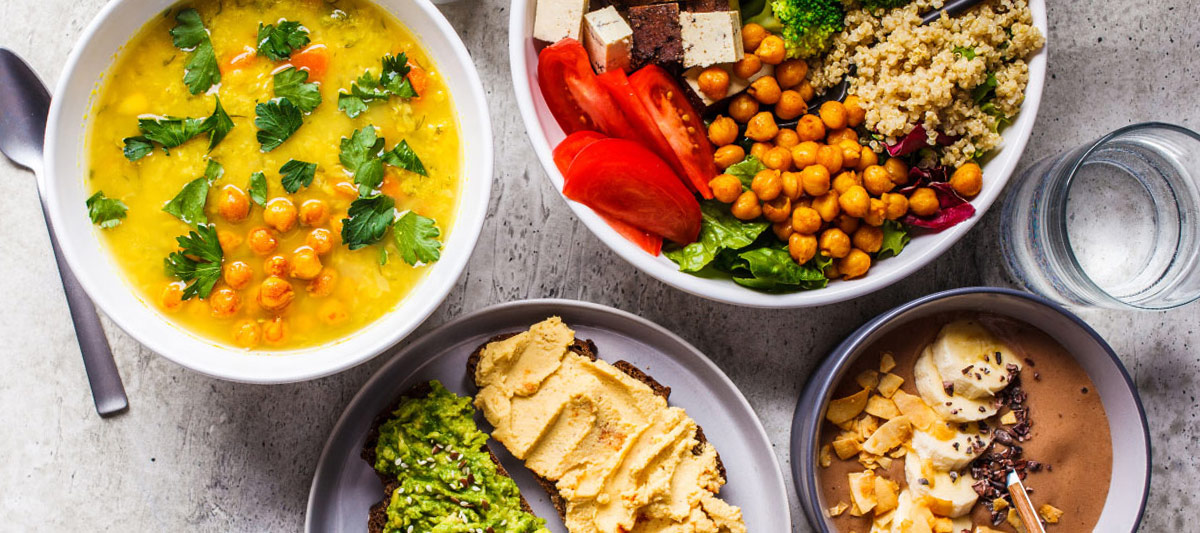
You can enjoy a variety of nutrient-rich, satisfying foods:
- Fresh fruits and vegetables
- Whole grains like rice, quinoa, and oats
- Legumes such as beans, lentils, and chickpeas
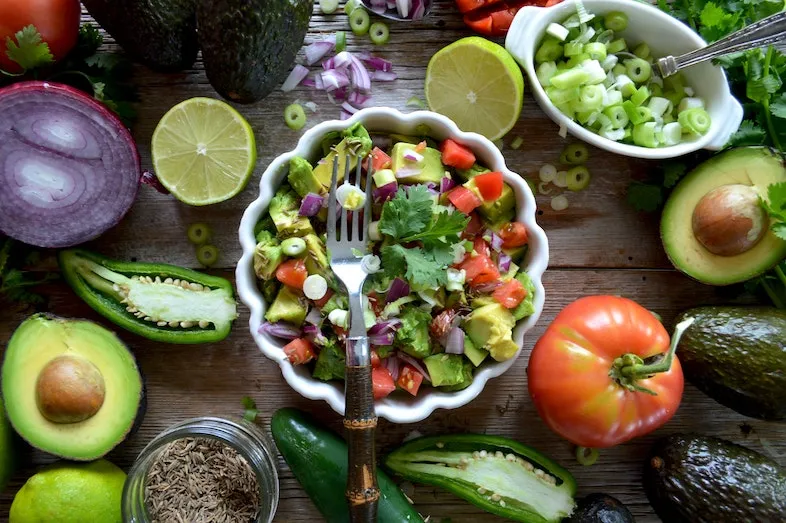
- Nuts, seeds, and avocado (as natural fat sources)
Foods to Avoid on an Oil-Free Diet
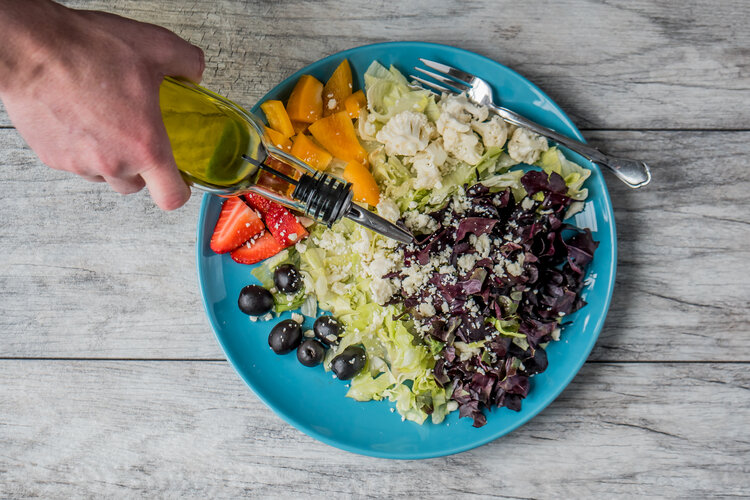
- Cooking oils of all kinds: olive, coconut, sunflower, etc.
- Fried and fast foods
- Packaged snacks containing added oils
Oil-Free Cooking Methods
Cooking without oil doesn’t mean bland food. Instead, try:
- Steaming veggies for tenderness
- Roasting with parchment paper or silicone mats
- Air-frying for crispiness without added fat
- Sautéing with water or vegetable broth instead of oil
The Best Tips for Cooking Without Oil
Health Benefits of an Oil-Free Diet
Many people report noticeable benefits:
- Lower cholesterol and improved heart health
- Better digestion without greasy foods
- Weight control due to reduced calorie density
- Improved energy levels from whole, nutrient-rich foods
Nutritional Concerns of Going Oil-Free
The main concerns are:
- Missing out on essential fatty acids (Omega-3s and Omega-6s)
- Difficulty absorbing fat-soluble vitamins (A, D, E, K)
The good news? Whole-food sources of fat—like nuts, seeds, and avocados—help balance this.
Getting Healthy Fats Without Oil
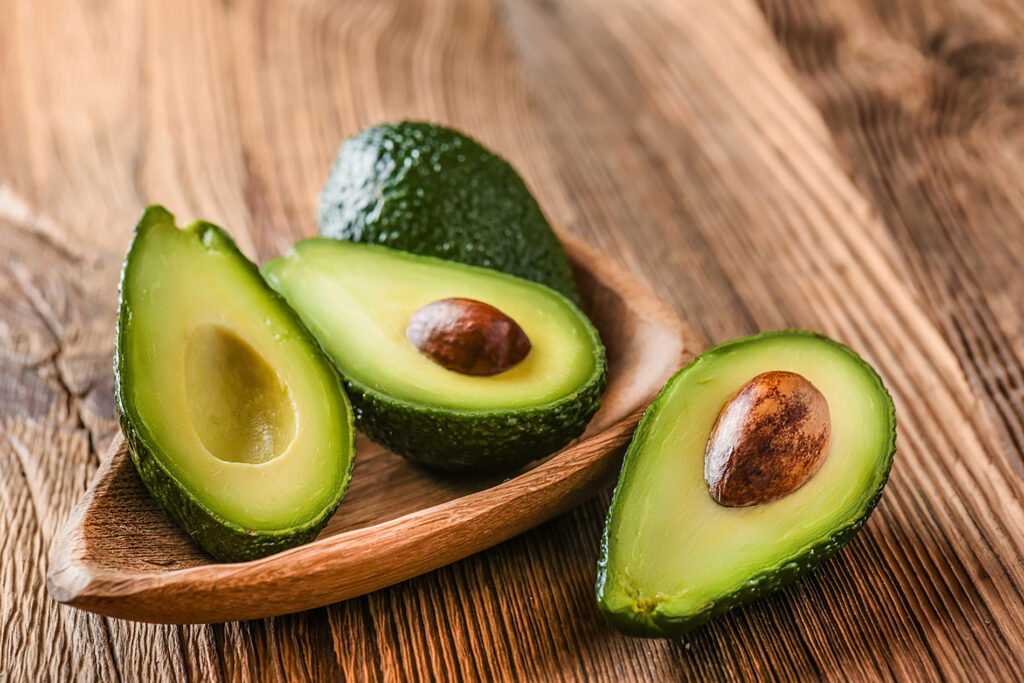
You don’t need oil to get essential fats. Instead, include:
- Avocados for creamy, heart-healthy fats
- Flaxseeds and chia seeds for Omega-3s
- Walnuts and almonds for brain health
- Coconut flesh in moderation for richness
Oil-Free Diet and Heart Health
Research suggests an oil-free, plant-based diet can improve blood pressure, circulation, and even reverse certain heart conditions. By cutting processed oils, you reduce saturated fat and cholesterol intake.
Weight Loss on an Oil-Free Diet
Since oils pack about 120 calories per tablespoon, cutting them out can drastically lower calorie intake. Combined with fiber-rich whole foods, this diet often leads to natural, sustainable weight loss.
Who Should Consider an Oil-Free Diet?
- People with a family history of heart disease
- Those struggling with weight management
- Plant-based eaters who want to optimize health
Challenges of an Oil-Free Diet
Going oil-free isn’t always easy. Common challenges include:
- Limited options when eating out
- Needing to adjust to new flavors without oil
- Staying consistent long-term
Tips for Transitioning to an Oil-Free Diet
- Start gradually by reducing oil in recipes instead of cutting it all at once.
- Experiment with herbs and spices for flavor.
- Use whole-food fats wisely to make meals satisfying.
Conclusion
An oil-free diet is more than just a food trend, it’s a lifestyle focused on whole, unprocessed nutrition. By cutting out refined oils and relying on natural fat sources, you can support heart health, manage weight, and improve overall well-being. While it’s not the perfect fit for everyone, it can be a powerful choice for those seeking a cleaner, plant-based way of eating.