Let’s be honest, hemorrhoids aren’t something people love to talk about, but they’re way more common than you think. Millions of people worldwide deal with this uncomfortable condition, and the good news is that effective treatments for hemorrhoids exist. Whether it’s simple lifestyle changes, medications, or medical procedures, hemorrhoids can be managed and treated successfully.
Understanding Hemorrhoids Treatments For Hemorrhoids
What Are Hemorrhoids?
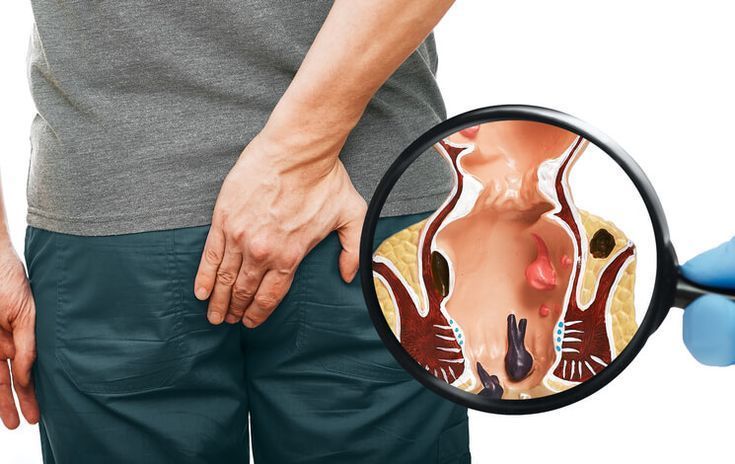
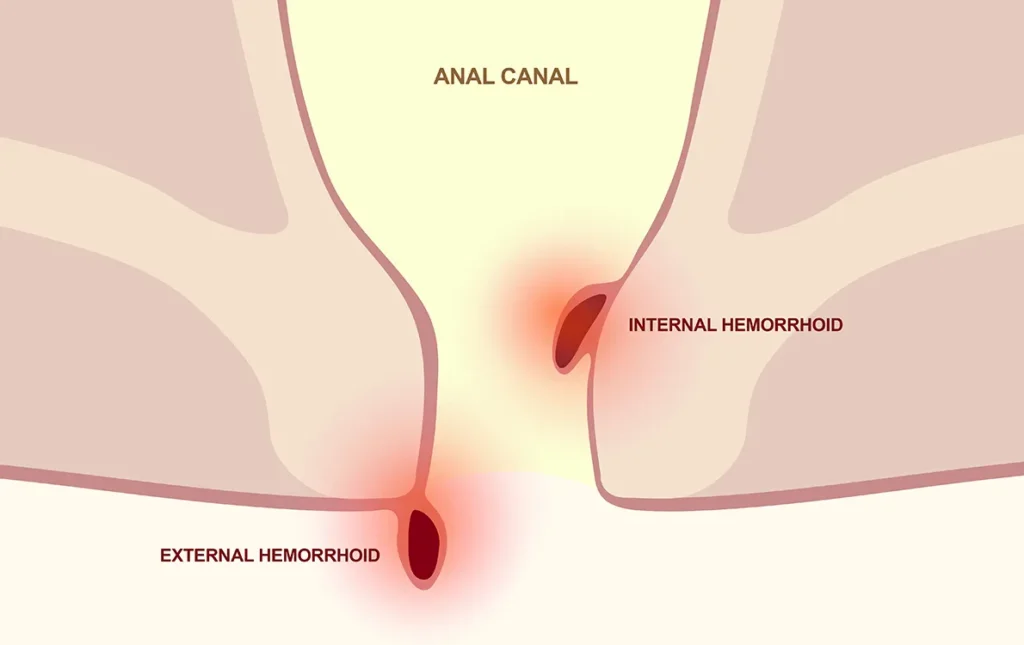
Hemorrhoids are swollen veins in the rectum or anus. They’re similar to varicose veins but occur in a very sensitive area. Depending on where they form, hemorrhoids can be internal (inside the rectum) or external (under the skin around the anus).
Causes of Hemorrhoids
Several things can trigger hemorrhoids, such as:
- Chronic constipation or straining during bowel movements
- Sitting for long periods, especially on the toilet
- Pregnancy, due to increased pressure in the pelvic area
- Obesity
- Low-fiber diets
Common Symptoms
Signs that you might have hemorrhoids include:
- Itching or irritation around the anus
- Swelling or a lump near the anus
- Pain or discomfort during bowel movements
- Bright red blood in stool or on toilet paper
Hemorrhoids – Symptoms and causes
Diagnosis of Hemorrhoids Treatments For Hemorrhoids
Physical Examination
Doctors usually diagnose hemorrhoids through a simple physical exam. They may also use a digital rectal exam to feel for internal swelling.
Medical Tests
In some cases, especially if bleeding is present, additional tests like anoscopy, sigmoidoscopy, or colonoscopy may be recommended to rule out other conditions.
Lifestyle and Home Remedies Treatments For Hemorrhoids
Dietary Changes
One of the easiest ways to treat and prevent hemorrhoids is by improving your diet. Adding high-fiber foods such as whole grains, fruits, and vegetables can soften stools and reduce straining.
Hydration and Fiber Intake
Drinking plenty of water is crucial. Pairing hydration with fiber supplements like psyllium husk can make bowel movements smoother.
Sitz Baths and Warm Compresses
Soaking the anal area in warm water for 10–15 minutes, a few times daily, provides instant relief. Warm compresses also reduce swelling.
Exercise and Physical Activity
Regular physical activity improves circulation and helps regulate bowel function, which reduces the risk of hemorrhoids forming.
Over-the-Counter (OTC) Treatments Treatments For Hemorrhoids
Pain Relievers

Non-prescription medications like ibuprofen or acetaminophen help ease discomfort.
Hemorrhoid Creams and Ointments
Topical treatments with ingredients like hydrocortisone can reduce itching and swelling.
Medical Treatments for Hemorrhoids Treatments For Hemorrhoids
Minimally Invasive Procedures
Rubber Band Ligation
A tiny rubber band is placed at the base of the hemorrhoid to cut off circulation, causing it to shrink.
Sclerotherapy
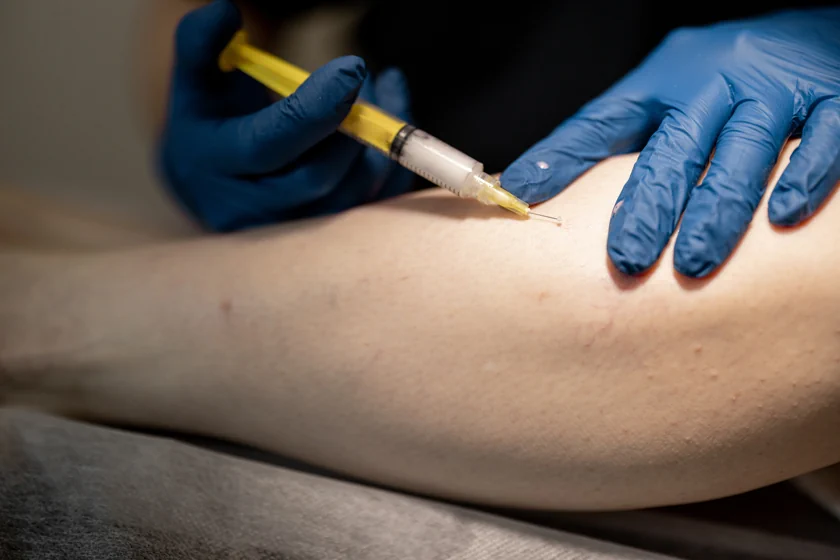
This involves injecting a solution into the hemorrhoid to shrink it.
Infrared Coagulation
A special device uses infrared light to cut blood supply and shrink the hemorrhoid.
Surgical Options
Hemorrhoidectomy
This is the complete removal of hemorrhoids and is often recommended for severe or recurrent cases.
Hemorrhoid Stapling
Stapling blocks blood flow to the hemorrhoidal tissue, helping them shrink over time.
Natural and Alternative Treatments Treatments For Hemorrhoids
Herbal Remedies

Witch hazel and aloe vera are popular natural options for soothing pain and inflammation.
Essential Oils
Tea tree oil and lavender oil, when diluted properly, may offer relief due to their anti-inflammatory properties.
Lifestyle Modifications
Simple changes like not delaying bowel movements and avoiding prolonged sitting can prevent flare-ups.
Preventing Hemorrhoids Treatments For Hemorrhoids
Healthy Bowel Habits
Avoid straining during bowel movements and don’t sit on the toilet for long periods.
Long-Term Dietary Adjustments
Maintaining a high-fiber diet ensures healthy digestion and reduces recurrence.
Regular Exercise
Walking, yoga, or light cardio boosts blood flow and helps keep digestion on track.
When to See a Doctor Treatments For Hemorrhoids
If home remedies and OTC treatments don’t work, or if you experience severe pain, heavy bleeding, or prolapse, it’s time to seek professional medical care.
Conclusion Treatments For Hemorrhoids
Hemorrhoids may be uncomfortable, but they’re far from untreatable. With a mix of lifestyle changes, home remedies, medical treatments, and preventive steps, you can manage symptoms effectively and avoid future flare-ups. The key is not to ignore them, early treatment makes a huge difference.
Read More: Foods That Are Good for Heart: Eat Your Way to a Healthier Life