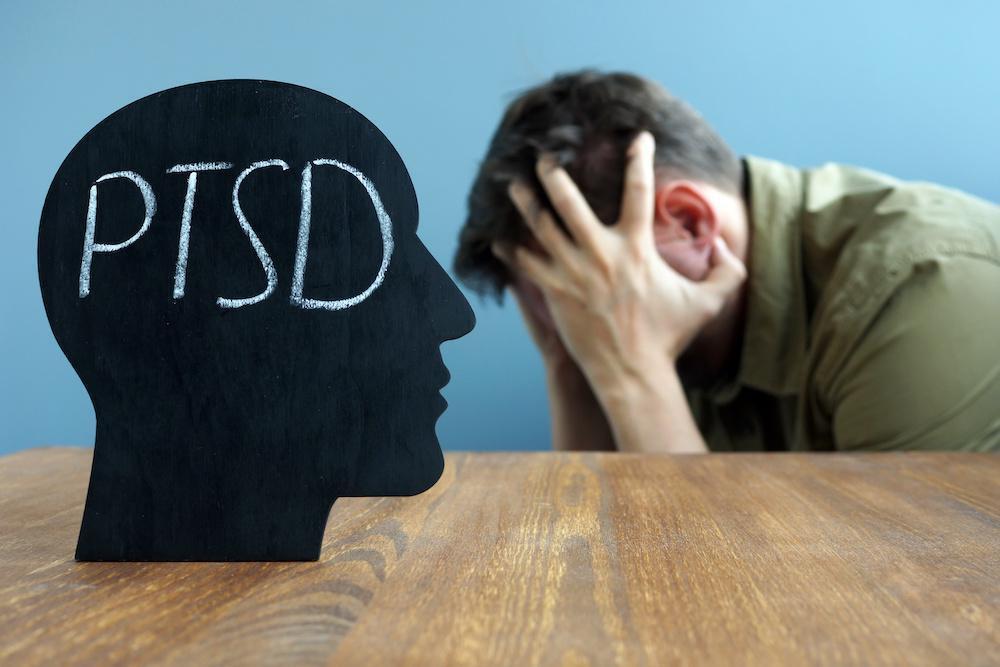
We’ve all heard the term PTSD, but not everyone knows what it really looks like. Post-Traumatic Stress Disorder doesn’t just affect soldiers or first responders it can affect anyone who has lived through a traumatic experience. Understanding the signs of PTSD is the first step toward healing, both for yourself and for someone you care about.
What Is PTSD? Signs Of PTSD
A Brief Definition
PTSD is a mental health condition triggered by experiencing or witnessing a terrifying event.
Common Causes of PTSD
Natural disasters, serious accidents, violence, war, or even personal loss can all lead to PTSD.
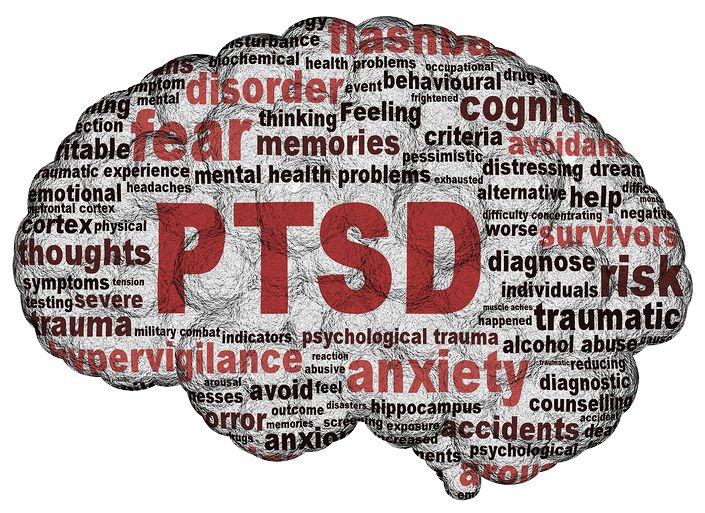
Why Recognizing the Signs Matters Signs Of PTSD
Early Intervention
The sooner PTSD is recognized, the faster someone can receive the help they need.
Improving Quality of Life
Untreated PTSD can disrupt work, relationships, and everyday life.
Main Categories of PTSD Symptoms Signs Of PTSD
PTSD symptoms generally fall into four categories:
- Intrusive memories
- Avoidance
- Negative changes in thinking and mood
- Changes in physical and emotional reactions
Intrusive Memories: The Unwanted Flashbacks Signs Of PTSD
Flashbacks and Reliving the Event
A person may feel like they’re experiencing the trauma all over again.
Nightmares and Distressing Dreams
Vivid and terrifying dreams about the event are common.
Avoidance Symptoms Signs Of PTSD
Steering Clear of Places or People
Someone with PTSD may avoid people, places, or activities that remind them of the trauma.
Emotional Numbing
They may shut down emotionally to avoid dealing with painful memories.
Negative Changes in Thinking and Mood Signs Of PTSD
Hopelessness About the Future
A sense that life will never be the same again.
Memory Problems and Detachment
Difficulty remembering parts of the event, or feeling detached from loved ones.
Loss of Interest in Activities
Things that once brought joy may no longer feel enjoyable.
Changes in Physical and Emotional Reactions Signs Of PTSD
Being Easily Startled
Constantly feeling “on edge” or hyper-aware.
Irritability and Anger Outbursts
Quick temper or outbursts of anger with little cause.
Trouble Sleeping and Concentrating
Difficulty falling asleep, staying asleep, or focusing on daily tasks.
Signs of PTSD in Children Signs Of PTSD
Reenacting Traumatic Events in Play
Children may act out the trauma during playtime.
Nightmares and Bedwetting
Sleep disturbances are common signs in young children.
Posttraumatic Stress Disorder in Children
PTSD vs. Normal Stress Reactions Signs Of PTSD
When Symptoms Last Longer
It’s normal to feel shaken after trauma, but PTSD symptoms last more than a month and often intensify over time.
The Difference in Severity
PTSD disrupts daily life, not just mood.
Risk Factors for PTSD Signs Of PTSD
Personal History
A history of mental illness or past trauma increases vulnerability.
Type and Severity of Trauma
Severe, prolonged, or repeated trauma raises the risk.
When to Seek Help Signs Of PTSD
Warning Signs That Shouldn’t Be Ignored
Feeling unable to cope, suicidal thoughts, or worsening symptoms are red flags.
Talking to a Professional
A doctor or therapist can provide proper diagnosis and support.
Treatment Options for PTSD Signs Of PTSD
Therapy Approaches
Cognitive Behavioral Therapy (CBT), exposure therapy, and EMDR are effective.
Medication Support
Antidepressants and anti-anxiety medication may help some individuals.
Lifestyle and Coping Strategies
Exercise, mindfulness, and building strong support systems aid recovery.
Supporting Someone With PTSD Signs Of PTSD
Listening Without Judgment
Being a compassionate listener can make a huge difference.
Encouraging Professional Help
Support them in seeking therapy instead of pressuring them to “get over it.”
Breaking the Stigma Around PTSD Signs Of PTSD
Mental Health Awareness
Talking openly about PTSD reduces shame and promotes healing.
Sharing Stories and Support
Hearing others’ experiences can help people feel less alone.
Conclusion
PTSD is more than just a memory, it’s a condition that can take over someone’s life if left untreated. The signs of PTSD include intrusive memories, avoidance, negative mood changes, and physical hyperarousal. Recognizing these signs early, seeking treatment, and supporting those affected can make recovery possible. PTSD may be part of a person’s story, but it doesn’t have to define their future.
Read More : Health Benefits of Drinking Matcha