Hypertension, or high blood pressure, is often called the “silent killer.” Why? Because it creeps up without noticeable signs until it’s already causing damage to your heart, kidneys, or blood vessels. The tricky part is that many people don’t realize they have it until complications set in. That’s why understanding the early signs of hypertension can make all the difference in protecting your long-term health.
What is Hypertension? Early Signs of Hypertension
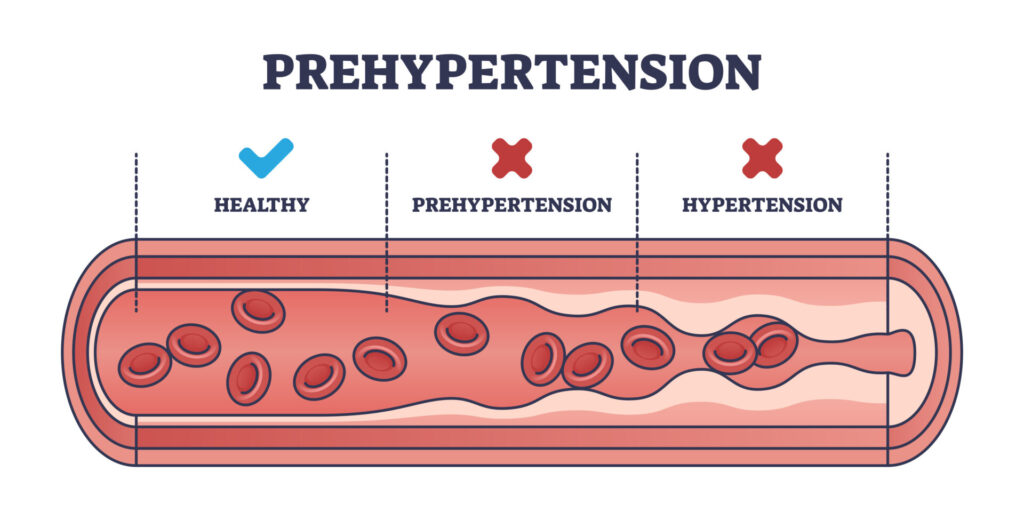
In simple terms, hypertension happens when the force of blood pushing against your artery walls stays too high over time. Normal blood pressure should be around 120/80 mmHg. If it’s consistently 130/80 mmHg or higher, you may be diagnosed with hypertension. Anything in between is considered “elevated” or prehypertension.
Why Early Detection Matters Early Signs of Hypertension
Ignoring high blood pressure is like ignoring a ticking time bomb. Left untreated, it can lead to heart disease, kidney damage, vision loss, and even stroke. Catching the warning signs early gives you a chance to take control before it leads to irreversible harm.
General Early Signs of Hypertension Early Signs of Hypertension
Unlike many illnesses, hypertension rarely comes with obvious red flags. But there are some subtle symptoms that can serve as early warnings. Paying attention to these can help you act before it’s too late.
Headaches and Dizziness Early Signs of Hypertension
While not every headache signals high blood pressure, frequent headaches can be linked to hypertension. Dizziness or lightheadedness may also occur when blood flow to the brain is affected. If these symptoms are persistent, it’s a sign to check your blood pressure.
Blurred Vision or Eye Problems Early Signs of Hypertension
High blood pressure can damage the tiny blood vessels in your eyes, leading to blurred vision or even hypertensive retinopathy. If you notice sudden vision changes, it could be more than just tired eyes, it may be a sign of rising blood pressure.
Shortness of Breath and Chest Discomfort
Hypertension makes your heart work harder, sometimes leading to shortness of breath or chest tightness. These symptoms can indicate that high blood pressure is already straining your cardiovascular system. If severe, seek medical help immediately.
Irregular Heartbeat (Palpitations)
Your heart doesn’t like being under pressure. Over time, hypertension can lead to palpitations or irregular rhythms. If you often feel your heart racing, fluttering, or skipping beats, it’s a signal your blood pressure may be out of control.
Fatigue and Confusion
When circulation isn’t efficient, your brain and body get less oxygen. This can leave you feeling unusually tired, weak, or even confused. Many people dismiss these signs as stress, but they can actually be early warnings of hypertension.
Nosebleeds
Although not a common symptom, frequent or unexplained nosebleeds can sometimes be associated with uncontrolled high blood pressure. If you’re experiencing this along with other signs, it’s worth checking in with your doctor.
Swelling in Hands, Feet, or Ankles
Hypertension can contribute to fluid retention, which shows up as swelling in your extremities. This happens because high blood pressure can affect kidney function, reducing the body’s ability to balance fluids.
Sleep Problems
Struggling with insomnia or loud snoring? There’s a strong link between hypertension and sleep apnea. Poor sleep raises stress hormones, which in turn raises blood pressure, creating a vicious cycle.
Silent Symptoms: No Obvious Warning
Here’s the catch, many people with hypertension experience no symptoms at all. That’s why it’s so dangerous. Regular blood pressure checks are the only reliable way to detect it early.
Who is at Risk of Hypertension?
Some people are more likely to develop high blood pressure:
- Those with a family history of hypertension
- People over age 40
- Individuals with obesity
- Smokers or heavy drinkers
- People with high-stress lifestyles
- Those consuming high-salt diets
How to Monitor Blood Pressure at Home
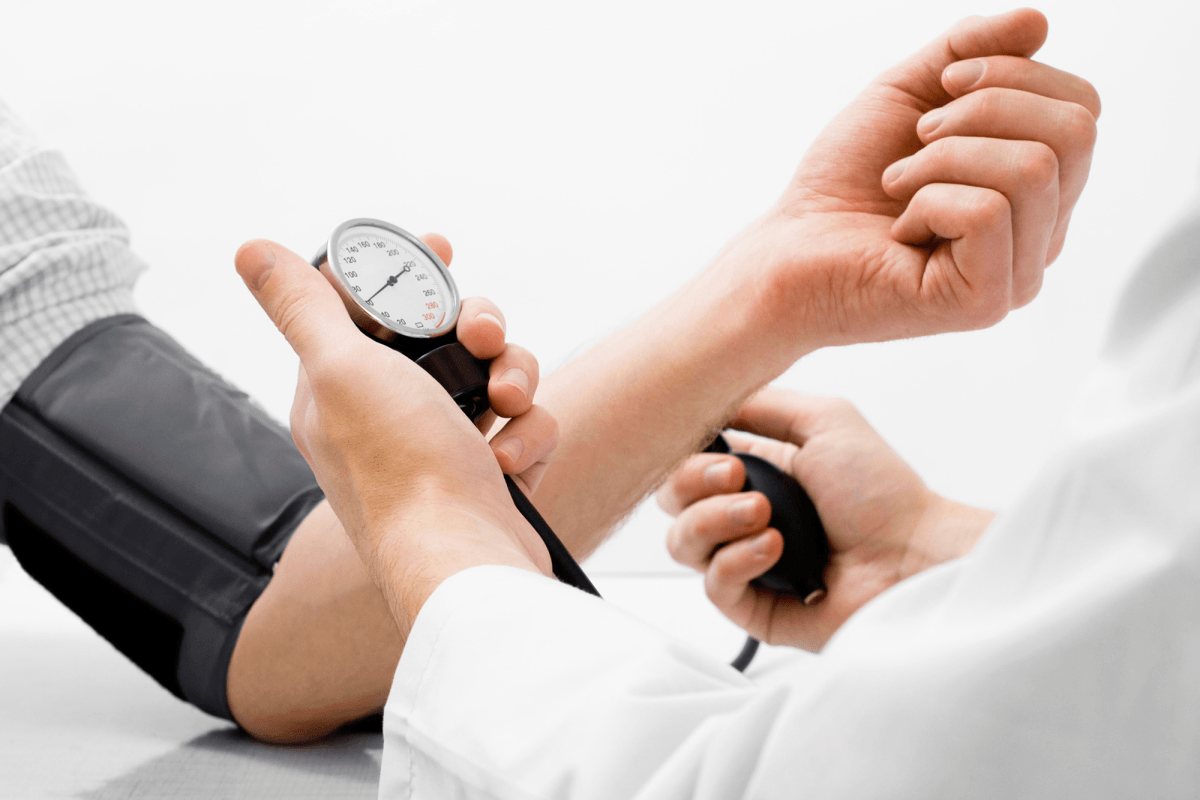
Checking your blood pressure at home is one of the smartest habits you can adopt. Use a digital blood pressure monitor, measure at the same time daily, and sit calmly for a few minutes before recording. Keep a log to share with your doctor if needed.
Conclusion
Hypertension doesn’t shout its arrival, it whispers, often through subtle signs like headaches, vision changes, fatigue, or even no symptoms at all. That’s why regular monitoring and awareness of early warning signs are crucial. By recognizing these clues and making lifestyle changes, you can take control and protect your heart, brain, and overall health.