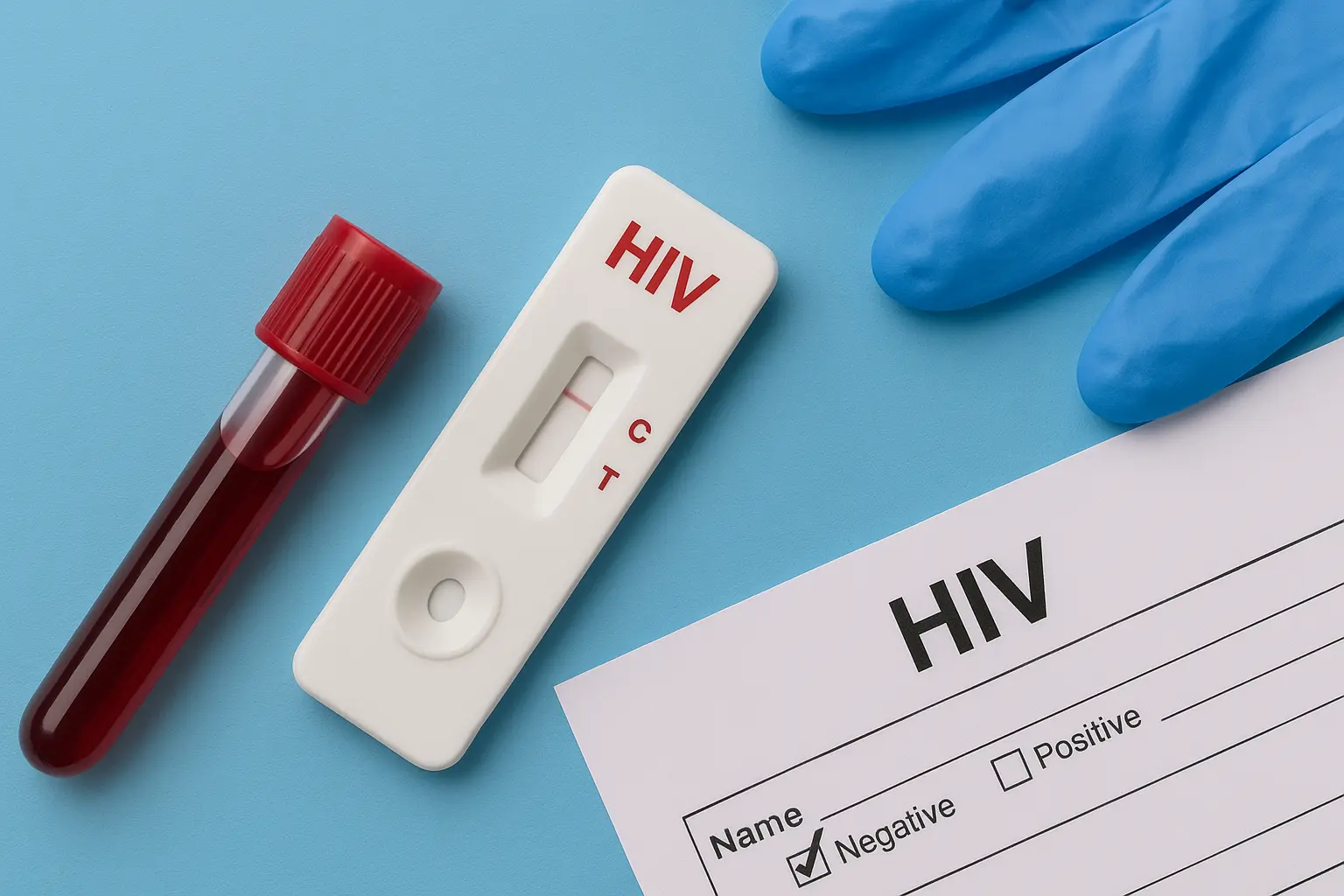
HIV/AIDS remains one of the most significant public health challenges worldwide. While medical advances have made living with HIV possible, prevention is still the most powerful tool we have. Knowing how the virus spreads and taking proactive steps can protect you and those you care about.
Understanding How HIV Spreads
Sexual transmission
HIV is most commonly spread through unprotected vaginal, anal, or oral sex with someone who has the virus.
Blood-to-blood contact
This can occur through shared needles, contaminated medical equipment, or unsafe blood transfusions.
Mother-to-child transmission
An HIV-positive mother can pass the virus to her baby during pregnancy, childbirth, or breastfeeding.
Practicing Safe Sex hiv
– Using condoms correctly
Latex or polyurethane condoms are highly effective when used properly every time you have sex.
– Limiting number of sexual partners
Fewer partners can reduce your risk of encountering HIV.
– Getting tested regularly
Knowing your status and your partner’s status is essential for prevention.
Pre-Exposure Prophylaxis (PrEP) hiv

What is PrEP?
PrEP is a daily medication that significantly reduces the risk of contracting HIV for people at high risk.
Who should consider taking PrEP?
It’s recommended for those with HIV-positive partners, people with multiple sexual partners, and those who inject drugs.
How effective is it?
When taken consistently, PrEP can reduce the risk of sexual transmission by about 99%.
Post-Exposure Prophylaxis (PEP)
What is PEP?
PEP is a short course of HIV medicines taken after possible exposure.
When and how to take PEP
It must be started within 72 hours of exposure and taken for 28 days.
The importance of acting quickly
The sooner you start PEP, the more effective it is.
Avoiding Blood-to-Blood Contact
Safe injection practices
Always use sterile needles and avoid sharing any injecting equipment.
Avoiding shared needles
This includes not sharing needles for tattoos, piercings, or drug use.
Ensuring safe blood transfusions
Only receive blood from screened and certified sources.
Preventing Mother-to-Child Transmission
HIV testing during pregnancy
Early detection allows for timely treatment to protect the baby.
Antiretroviral treatment for mothers
This greatly reduces the risk of transmission.
Safe delivery and feeding practices
In some cases, a cesarean delivery and formula feeding are recommended to prevent transmission.
Strengthening the Immune System

Importance of early treatment
Starting antiretroviral therapy (ART) early helps control the virus and prevents progression to AIDS.
Healthy lifestyle choices
Eat nutritious foods, exercise regularly, and avoid smoking or excessive alcohol.
Regular medical check-ups
Monitoring your health ensures any complications are addressed quickly.
Combating Stigma and Raising Awareness
Educating communities
Accurate information helps dispel myths about HIV.
Encouraging open conversations
Talking about HIV prevention reduces fear and promotes safer practices.
Supporting those living with HIV
Empathy and support help individuals manage their health and live fulfilling lives.
Conclusion
Preventing HIV/AIDS is possible with the right knowledge and actions. By practicing safe sex, avoiding risky behaviors, and using preventive medications when needed, you can protect yourself and contribute to reducing the spread of HIV worldwide.
Read More About HIV Preventions