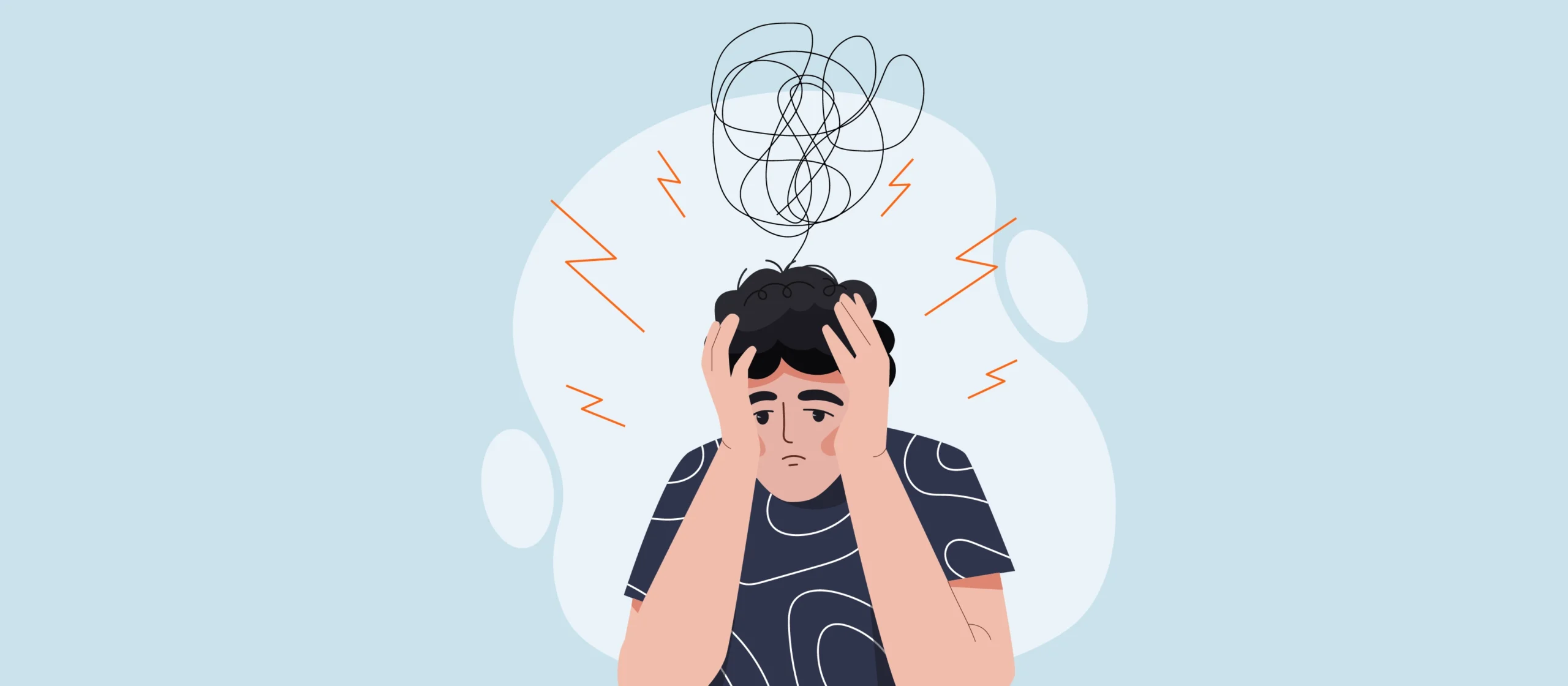
When people hear the word schizophrenia, many immediately think of dramatic stereotypes portrayed in movies. In reality, schizophrenia is a complex and often misunderstood mental health condition. Recognizing the early signs of schizophrenia is essential because it can improve treatment outcomes and help individuals live more stable, fulfilling lives.
What Is Schizophrenia? Signs of Schizophrenia
Schizophrenia is a chronic brain disorder that affects how a person thinks, feels, and behaves. People with schizophrenia may seem disconnected from reality, experiencing hallucinations, delusions, or disorganized thoughts. It affects about 1 in 100 people worldwide and typically develops in late adolescence or early adulthood.
Early Warning Signs Signs of Schizophrenia
Before full symptoms appear, subtle warning signs may show up. These include:
- Trouble focusing on tasks
- Withdrawing from social activities
- Decline in school or work performance
- Odd or unusual thoughts
Catching these early changes can make a huge difference in managing the condition.
Positive Symptoms of Schizophrenia Signs of Schizophrenia
Positive symptoms don’t mean “good”, they refer to behaviors that are added to normal functioning.
Hallucinations
Hearing voices, seeing things, or feeling sensations that aren’t real.
Delusions
Strongly held false beliefs, such as thinking someone is out to harm them.
Disorganized Speech
Jumping between unrelated topics or speaking in ways that are hard to follow.
Negative Symptoms of Schizophrenia Signs of Schizophrenia
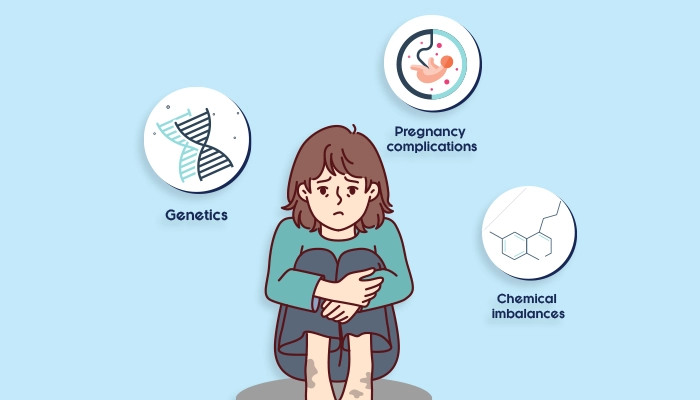
Negative symptoms refer to a loss of normal abilities.
- Social Withdrawal: Avoiding interactions with others.
- Lack of Motivation: Difficulty starting or completing everyday tasks.
- Flat Affect: Reduced expression of emotions in voice or facial expressions.
Cognitive Symptoms Signs of Schizophrenia
Cognitive difficulties can make daily life challenging:
- Trouble with short-term memory
- Difficulty concentrating on conversations or tasks
- Poor decision-making skills
Behavioral Signs Signs of Schizophrenia
Behavior often reveals the disorder:
- Repetitive or unusual body movements
- Struggling to complete basic daily routines
- Acting in ways that seem disconnected from reality
Emotional Signs
Schizophrenia isn’t just about hallucinations, it affects emotions too.
- Persistent anxiety or depression
- Sudden or extreme mood swings
- Difficulty expressing feelings
Social Signs
The condition can strain relationships:
- Isolation from family and friends
- Trouble maintaining personal and professional connections
- Lack of interest in social activities
Schizophrenia in Teenagers and Young Adults
Most cases develop between ages 16 and 30. In teens, it may look like:
- A sharp decline in school performance
- Trouble sleeping
- Increased irritability
- Withdrawal from friends
Since many of these signs overlap with normal teenage behavior, early intervention can be challenging.
Schizophrenia vs. Other Mental Health Conditions
Schizophrenia can sometimes be mistaken for:
- Bipolar disorder (due to mood swings)
- Severe depression (because of lack of motivation)
However, the presence of hallucinations and delusions usually points toward schizophrenia.
When to Seek Help
Seek professional help if you or someone you know:
- Experiences persistent hallucinations or delusions
- Shows extreme social withdrawal
- Struggles to manage basic daily tasks
Early diagnosis means better treatment and quality of life.
How Doctors Diagnose Schizophrenia
There’s no single test for schizophrenia. Instead, doctors use:
- Medical evaluations to rule out physical causes
- Psychological assessments to evaluate symptoms
- Observation of behavior over time
Managing Schizophrenia
Although schizophrenia is a lifelong condition, it can be managed. Common treatments include:
- Medication (antipsychotics) to reduce symptoms
- Therapy and counseling to build coping strategies
- Support groups and family education to improve daily functioning
With the right treatment, many people live meaningful, independent lives.
Conclusion
Recognizing the signs of schizophrenia is the first step toward understanding and supporting those affected. It’s not about labeling someone, it’s about giving them the chance to get the help they need. With compassion, awareness, and proper treatment, schizophrenia doesn’t have to define a person’s life.
Source: https://www.nhs.uk/mental-health/conditions/schizophrenia/symptoms/