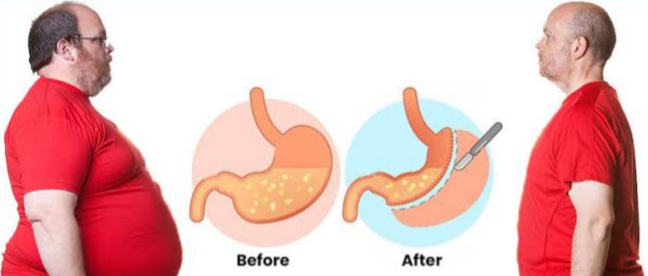
Bariatric surgery is often seen as a life-changing solution for people struggling with severe obesity. It can help patients lose significant weight, improve overall health, and even reduce risks of conditions like diabetes and heart disease. But let’s be real, like any surgery, bariatric procedures come with risks. Before stepping into the operating room, it’s crucial to understand the potential complications and challenges that could arise.
What Is Bariatric Surgery?
Bariatric surgery is a medical procedure designed to help people lose weight by making changes to their digestive system. It usually involves reducing the size of the stomach or rerouting parts of the intestines. The goal? To limit how much you eat or how well your body absorbs calories.
Common Types of Bariatric Surgery
- Gastric Bypass (Roux-en-Y): Reduces stomach size and reroutes the small intestine.
- Sleeve Gastrectomy: Removes a large portion of the stomach.
- Adjustable Gastric Band: Places a band around the stomach to restrict intake.
- Biliopancreatic Diversion with Duodenal Switch: A more complex surgery that significantly changes digestion.

Why People Choose Bariatric Surgery
Obesity isn’t just about appearance, it affects physical health, emotional well-being, and even daily life activities. Many people opt for bariatric surgery when diets and exercise plans don’t bring long-term results.
- Health benefits: It can lower blood sugar, improve cholesterol, and reduce blood pressure.
- Emotional relief: People often feel more confident and regain mobility.
- Life expectancy: For many, surgery increases survival rates by lowering obesity-related disease risks.
General Risks of Any Surgery
Every surgery carries some universal risks. With bariatric surgery, these include:
- Infections at the incision site.
- Blood clots forming in the legs or lungs.
- Complications with anesthesia, which can vary depending on health conditions.
Specific Risks of Bariatric Surgery
Unlike a simple appendix removal, bariatric surgery is more complex. Some potential risks include:
- Leaks where the stomach or intestine was cut and reconnected.
- Bowel obstruction, which may cause severe abdominal pain.
- Ulcers or bleeding inside the digestive system.
Nutritional Deficiencies
Because bariatric surgery changes how your body absorbs food, nutritional deficiencies are common. Patients often lack:
- Iron, calcium, and vitamin B12
- Vitamin D and folic acid
- Protein for healing and muscle health
This means most people need lifelong supplements to avoid issues like anemia, osteoporosis, or nerve damage.
Dumping Syndrome
Ever felt dizzy or sick after eating too much sugar? That’s similar to dumping syndrome, which happens when food moves too quickly from the stomach to the small intestine.
Symptoms include:
- Nausea, vomiting, or diarrhea
- Rapid heartbeat and sweating
- Fatigue and dizziness
The good news? Avoiding sugary, fatty foods and eating smaller meals can reduce these effects.
Gallstones Formation
Rapid weight loss after bariatric surgery can trigger gallstone formation. These small stones in the gallbladder can cause pain, nausea, and even require surgery. Doctors may prescribe medication to prevent gallstones after bariatric surgery.
Psychological and Emotional Risks
The physical transformation is dramatic, but mentally, patients may struggle.
- Some face depression if results don’t meet expectations.
- Others battle anxiety or disordered eating patterns.
- Support groups and therapy play a big role in recovery.
Long-Term Complications
While many enjoy long-lasting benefits, some develop:
- Hernias around incision areas.
- Strictures, where the stomach outlet narrows.
- Revision surgery, if the initial procedure fails or complications arise.
Impact on Lifestyle
Bariatric surgery isn’t a magic fix. Patients must adapt to:
- Eating smaller, healthier meals.
- Avoiding high-sugar and high-fat foods.
- Managing social situations where food is central.
It requires lifelong commitment to diet and exercise.
Who Faces Higher Risks?
Some groups face more challenges than others:
- People with heart or lung conditions.
- Older adults, who may recover more slowly.
- Patients who ignore aftercare instructions.
How to Minimize Risks
Here’s the key to stay safe:
- Choose a qualified, experienced bariatric surgeon.
- Stick closely to your doctor’s aftercare plan.
- Commit to permanent lifestyle changes.
Alternatives to Bariatric Surgery
Not ready for surgery? Consider these:
- Medical weight-loss programs with supervised diet plans.
- Weight-loss medications, which may help reduce appetite.
- Non-surgical procedures, like gastric balloons.
Conclusion
Bariatric surgery can be life-changing, but it’s not without risks. From nutritional deficiencies to emotional struggles, patients must understand the full picture before committing. The surgery works best for those ready to embrace long-term lifestyle changes. If you’re considering it, weigh the pros and cons carefully, talk to your doctor, and prepare for both the rewards and the challenges.
Read More About The Differences Between Good Fat & Bad Fat