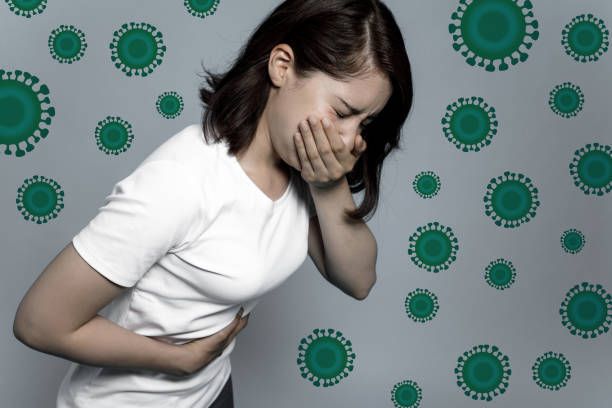
Bacterial infections can happen to anyone from a small cut on your finger to a severe lung infection. Knowing how to treat them effectively is key to preventing complications. The good news? You can fight them both medically and naturally, depending on the situation.
Common Causes and Types of Bacterial Infections
1. Skin infections Bacterial Infection
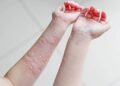
Cuts, burns, or insect bites can let bacteria like Staphylococcus aureus enter your body, causing redness, swelling, or pus.
2. Respiratory infections Bacterial Infection
Bacteria such as Streptococcus pneumoniae can cause bronchitis, pneumonia, or sinus infections.
3. Urinary tract infections
Often caused by Escherichia coli (E. coli), UTIs can be painful and require prompt treatment.
4. Gastrointestinal infections Bacterial Infection
Food poisoning from bacteria like Salmonella or E. coli can cause stomach pain, diarrhea, and vomiting.
Recognizing the Symptoms Bacterial Infection
General signs of bacterial infection
- Fever and chills
- Fatigue
- Pain or swelling
- Discharge or pus from a wound
Infection-specific symptoms
A lung infection might cause coughing and chest pain, while a UTI might bring burning sensations during urination.
Medical Treatments for Bacterial Infections
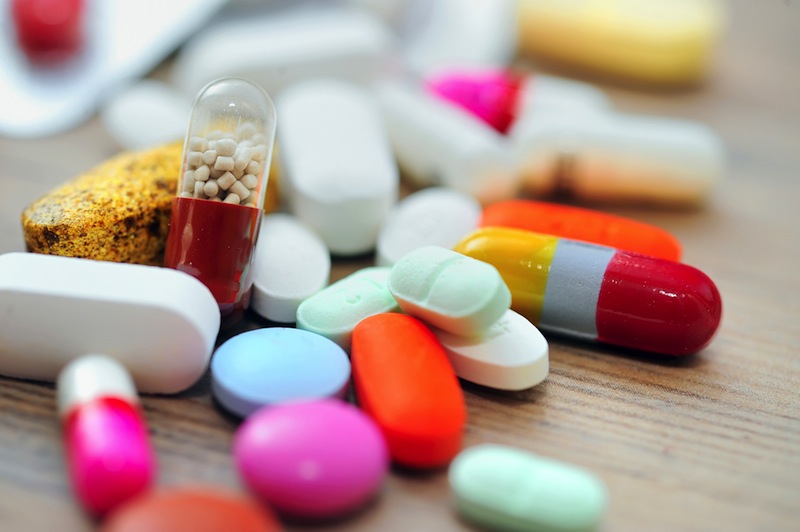
– Antibiotics and how they work
Antibiotics kill bacteria or stop them from multiplying. Common types include penicillin, amoxicillin, and doxycycline.
– Importance of completing the prescription
Stopping antibiotics too early can lead to antibiotic resistance, making future infections harder to treat.
– Hospital treatments for severe cases
In serious infections like sepsis, IV antibiotics and fluids are often needed.
Natural Remedies for Bacterial Infections
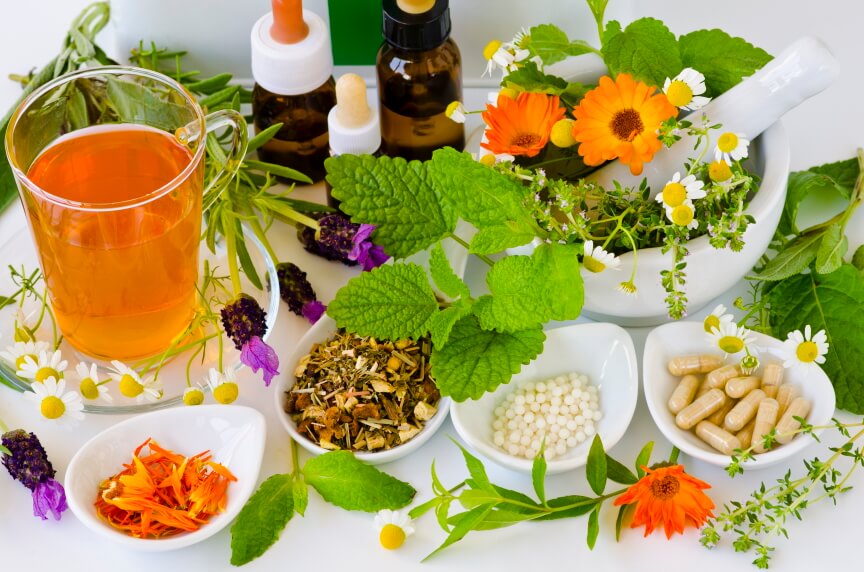
– Boosting your immune system
A strong immune system is your first defense. Eat nutrient-rich foods, stay hydrated, and get enough rest.
– Using natural antibacterial agents
- Garlic: Contains allicin, a natural antibacterial compound.
- Honey: Known for wound healing and antibacterial properties.
- Tea tree oil: Effective for some skin infections (only for external use).
– Home care tips for recovery
Warm compresses, herbal teas, and probiotics can support healing alongside prescribed treatments.
10 Natural Ways to Strengthen Your Immune System Daily
Combining Natural and Medical Approaches
When to use both methods
You can use natural remedies to support recovery while following your doctor’s antibiotic plan but never replace prescribed medication without medical advice.
Precautions and safety tips
Some natural remedies may interact with medications, so consult a healthcare provider first.
Prevention Strategies
– Hygiene and cleanliness
Wash hands regularly, keep wounds clean, and avoid sharing personal items.
– Strengthening the immune system
A balanced diet, regular exercise, and quality sleep help keep infections at bay.
– Safe food and water practices
Cook meat thoroughly, wash vegetables, and drink clean water to prevent foodborne illnesses.
When to Seek Medical Help?
Warning signs of severe infection
- High fever
- Difficulty breathing
- Rapid heartbeat
- Confusion or dizziness
Risk groups that need urgent care
Infants, elderly individuals, and people with weakened immune systems should see a doctor at the first sign of infection.
Conclusion
Bacterial infections can range from mild to life-threatening. Treating them effectively often requires a mix of medical and natural approaches but the priority should always be timely diagnosis and treatment. Remember, prevention is easier than cure!
Read More About Bacterial Infection