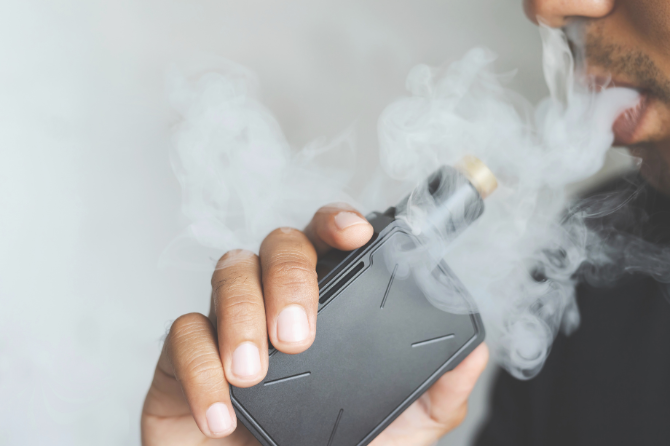
Vaping has become one of the most talked-about health topics in recent years. Marketed as a safer alternative to smoking, e-cigarettes have attracted millions of users, especially young adults. But the big question remains: Is vaping really safe? While it might not carry all the risks of traditional smoking, research shows that vaping has its own set of health effects worth understanding. Effects Of Vaping
What Exactly Is Vaping? Effects Of Vaping
Vaping involves inhaling vapor produced by an e-cigarette or similar device. These devices heat a liquid (often called e-liquid or vape juice) that usually contains nicotine, flavorings, and other chemicals. Unlike cigarettes, vaping doesn’t involve burning tobacco, which eliminates some harmful toxins—but not all.
Short-Term Health Effects of Vaping Effects Of Vaping
1. Irritation of the Throat and Lungs
Many vapers report coughing, throat irritation, or a dry mouth after vaping. The vapor’s chemicals can irritate sensitive tissues, especially in new users.
2. Nicotine-Related Side Effects
Most vape liquids contain nicotine, a highly addictive substance. Short-term effects include increased heart rate, higher blood pressure, and a boost in adrenaline levels.
3. Dehydration
The ingredients in vape juice (like propylene glycol) can cause dehydration, leaving you with a dry throat, headaches, or chapped lips.
Long-Term Health Effects of Vaping
1. Lung Damage
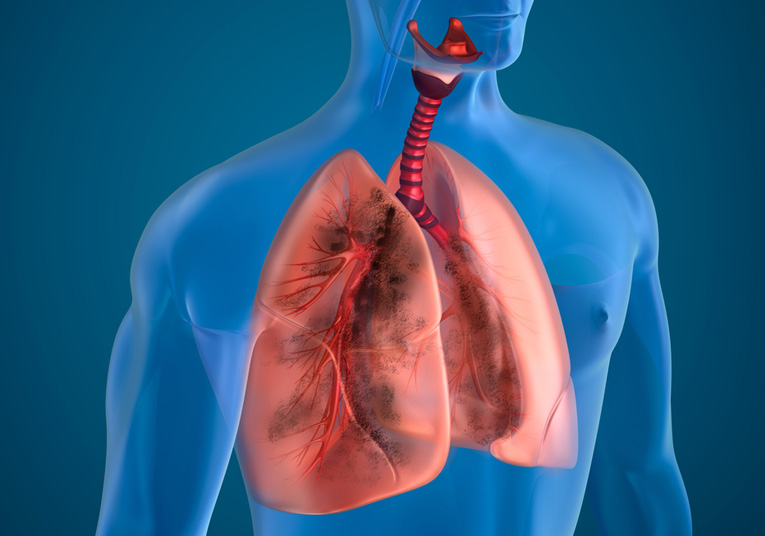
Studies have linked vaping to lung inflammation and conditions like “popcorn lung,” which damages small airways. While rare, cases of serious lung injury associated with vaping have been reported.
2. Increased Risk of Heart Problems
Nicotine in e-liquids can put stress on the cardiovascular system. Over time, this may contribute to higher risks of heart disease, hypertension, and stroke.
3. Addiction and Dependency
Because most vape products contain nicotine, users can develop strong addictions. This makes quitting difficult and often leads to increased use over time.
4. Unknown Long-Term Risks
Since vaping is relatively new compared to smoking, researchers are still studying its long-term consequences. Early findings suggest it may cause chronic respiratory issues, but more data is needed.
Vaping vs. Smoking: Which Is Worse? Effects Of Vaping
Many people turn to vaping as a way to quit smoking traditional cigarettes. While vaping is considered less harmful than smoking because it doesn’t produce tar or carbon monoxide, it’s not harmless. Think of it this way: switching from cigarettes to vaping may reduce some risks, but starting vaping as a non-smoker introduces new risks you didn’t have before.
Impact on Young People Effects Of Vaping
Vaping has surged in popularity among teens and young adults, often due to sweet flavors and sleek device designs. The problem? Early nicotine exposure can harm brain development, increase dependency, and even serve as a gateway to smoking later in life.
Secondhand Vaping: Is It a Concern?
Just like secondhand smoke, secondhand vapor exposes bystanders to nicotine and other chemicals. While the levels are lower than cigarette smoke, it’s still not risk-free especially for children, pregnant women, or those with asthma.
Bahaya Asap Rokok Pasif: Tak Hisap Tapi Tetap Terancam
Can Vaping Help You Quit Smoking?
Some people successfully use vaping as a stepping stone to quit smoking altogether. However, it’s important to approach it cautiously, since many users end up addicted to vaping instead of transitioning to a nicotine-free lifestyle. Nicotine replacement therapies (like patches or gum) are often safer alternatives.
Ways to Minimize the Risks if You Vape
- Choose nicotine-free e-liquids if possible.
- Stay hydrated to reduce throat irritation.
- Avoid black-market or unregulated vape products.
- Take breaks instead of constant vaping.
- Set a plan to reduce dependency over time.
Conclusion
Vaping may seem like a safer choice than smoking, but it’s not free from health risks. From short-term irritation to long-term lung and heart concerns, vaping affects the body in multiple ways. If you’re a smoker trying to quit, vaping might be a stepping stone, but the ultimate goal should be a nicotine-free lifestyle. For non-smokers, the risks outweigh the benefits, making vaping a habit best avoided.
READ MORE ABOUT VAPING