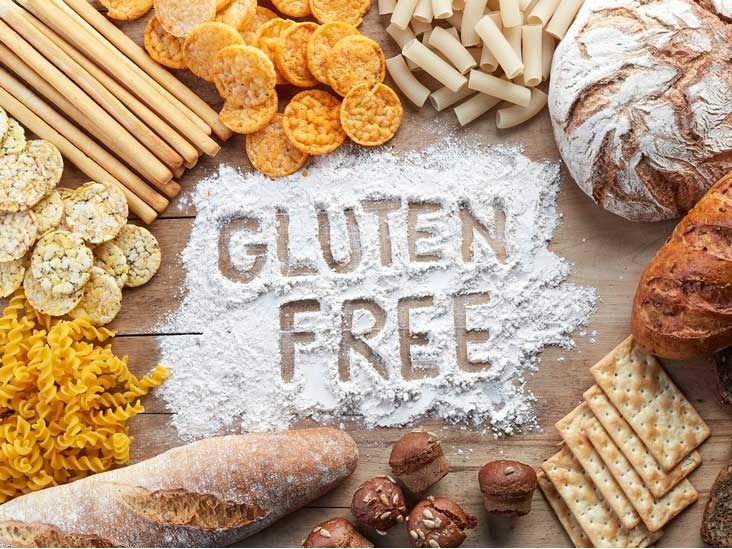
You’ve probably noticed “gluten-free” labels everywhere from bread and pasta to pizza and even beer. But what exactly is a gluten-free diet and should you be on it? Whether you’re curious, considering it for health reasons, or simply wondering if it’s just another trend, this guide breaks it all down for you.
What Is Gluten?
Gluten is a protein found in wheat, barley, and rye. It’s what makes bread chewy and gives dough its stretch. Think of it as the glue that holds baked goods together. For most people, gluten is harmless. But for some, it causes serious health issues.
Who Needs a Gluten-Free Diet?
Not everyone needs to cut gluten. But for some people, it’s a must:
- Celiac disease – An autoimmune condition where gluten damages the small intestine.
- Non-celiac gluten sensitivity – Causes discomfort without intestinal damage.
- Wheat allergy – A true allergic reaction to wheat proteins, including gluten.
Symptoms That May Indicate Gluten Issues
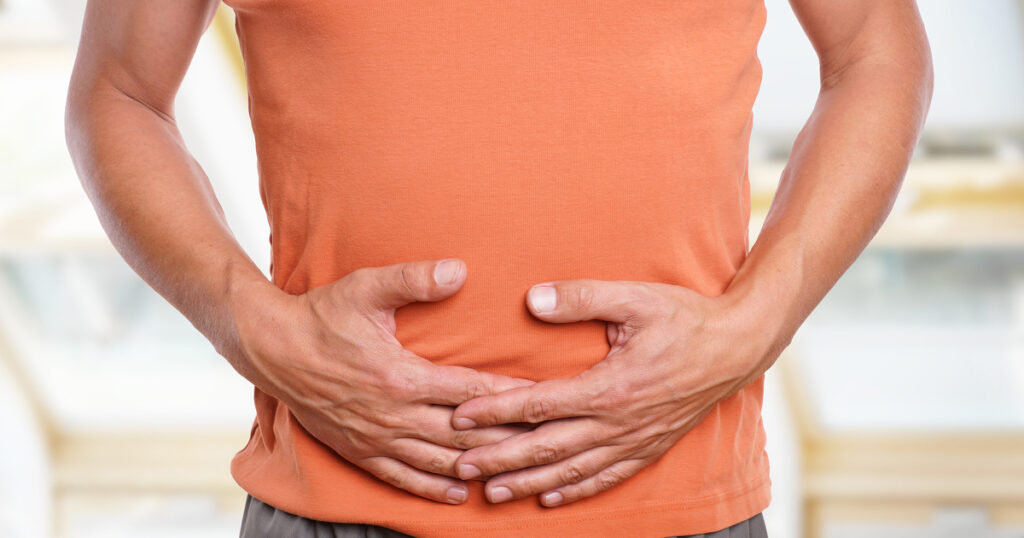
If your body struggles with gluten, you might experience:
- Bloating, gas, or diarrhea
- Fatigue and brain fog
- Skin rashes or eczema-like reactions
- Headaches or joint pain
Benefits of a Gluten-Free Diet
For those who need it, going gluten-free can be life-changing. Benefits include:
- Improved digestion – No more constant bloating or cramping
- Better energy levels – Reduced fatigue and brain fog
- Healthier skin – Fewer rashes or inflammation
Potential Drawbacks of a Gluten-Free Diet
Before you toss out your bread, know that there are downsides too:
- Nutrient gaps – Whole grains with gluten are rich in fiber, iron, and B vitamins
- Higher costs – Gluten-free products often cost more
- Over-processed options – Many gluten-free snacks are still unhealthy
Gluten-Free Diet vs. Regular Diet
It’s a common myth that gluten-free equals healthier. The truth? Not always. While it’s essential for those with celiac or gluten sensitivity, a gluten-free diet isn’t automatically better for everyone. A donut is still a donut, gluten-free or not.
Foods to Avoid on a Gluten-Free Diet
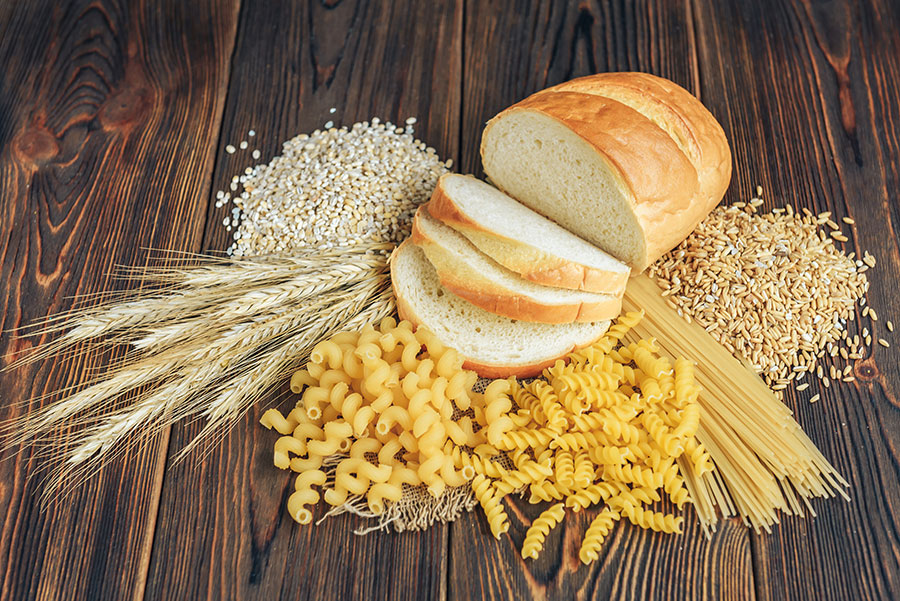
The main culprits include:
- Bread, pasta, and pastries made with wheat flour
- Beer, malt, and barley-based drinks
- Packaged foods with gluten fillers
Naturally Gluten-Free Foods
Luckily, many everyday foods are naturally gluten-free:
- Fresh fruits and vegetables
- Meat, poultry, and fish
- Rice, potatoes, and quinoa
Safe Gluten-Free Grains
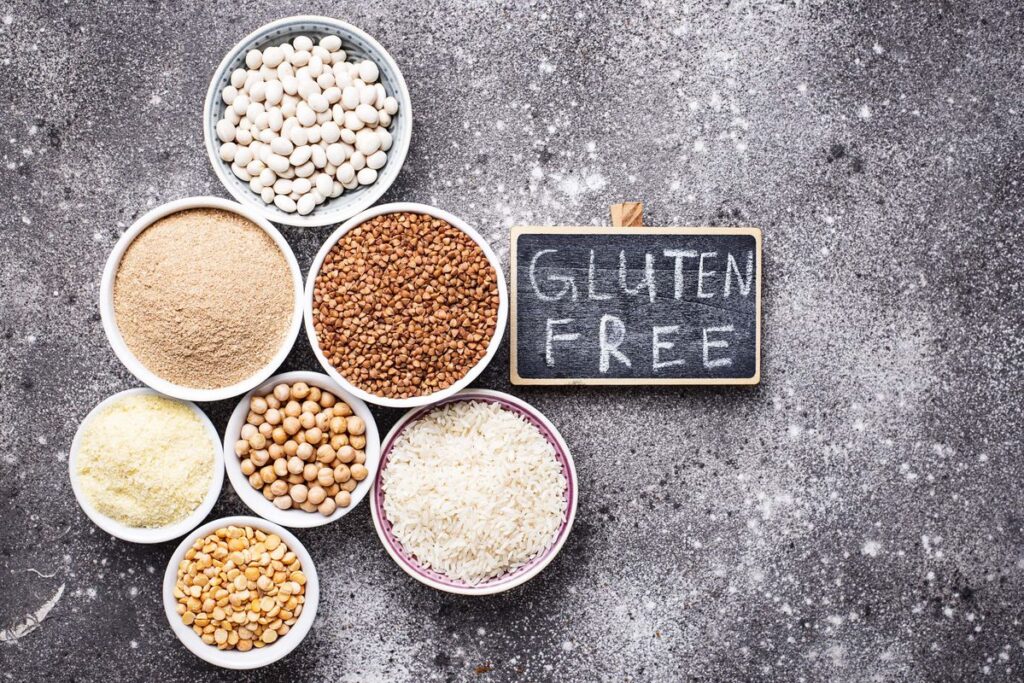
Not all grains contain gluten. Some safe and delicious choices are:
- Buckwheat (despite the name, it’s gluten-free)
- Millet
- Amaranth
- Sorghum
Hidden Sources of Gluten
Gluten has a sneaky way of showing up in unexpected places:
- Soy sauce (use tamari instead)
- Salad dressings and soups
- Candy, chips, and processed snacks
Reading ingredient labels carefully is key.
Tips for Starting a Gluten-Free Diet
- Read nutrition labels for hidden gluten
- Plan meals and snacks ahead of time
- Experiment with naturally gluten-free recipes at home
Gluten-Free Eating at Restaurants
Eating out doesn’t have to be stressful:
- Ask if meals are prepared in a gluten-free kitchen
- Choose naturally gluten-free dishes (like grilled fish with veggies)
- Be cautious of sauces, soups, and fried foods (they may contain wheat flour)
Gluten-Free Alternatives to Favorite Foods
The market is full of replacements:
- Bread – Gluten-free loaves made from rice or almond flour
- Pasta – Made from corn, quinoa, or lentils
- Snacks – Gluten-free crackers and cookies
Is a Gluten-Free Diet Right for You?
If you have celiac disease, gluten sensitivity, or a wheat allergy, the answer is yes. But if you don’t have these conditions, you may not need to cut gluten. Always talk with a doctor before making drastic dietary changes.
Gluten-Free Diet: Is It Right for Me?
Conclusion
A gluten-free diet isn’t just a trend, it’s a medical necessity for many people. If you’re struggling with unexplained digestive issues, fatigue, or skin problems, gluten might be the culprit. That said, gluten-free living can be healthy and delicious when you focus on whole, naturally gluten-free foods instead of relying on processed alternatives.
Read More: Benefits of Niacinamide for Glowing, Healthy Skin