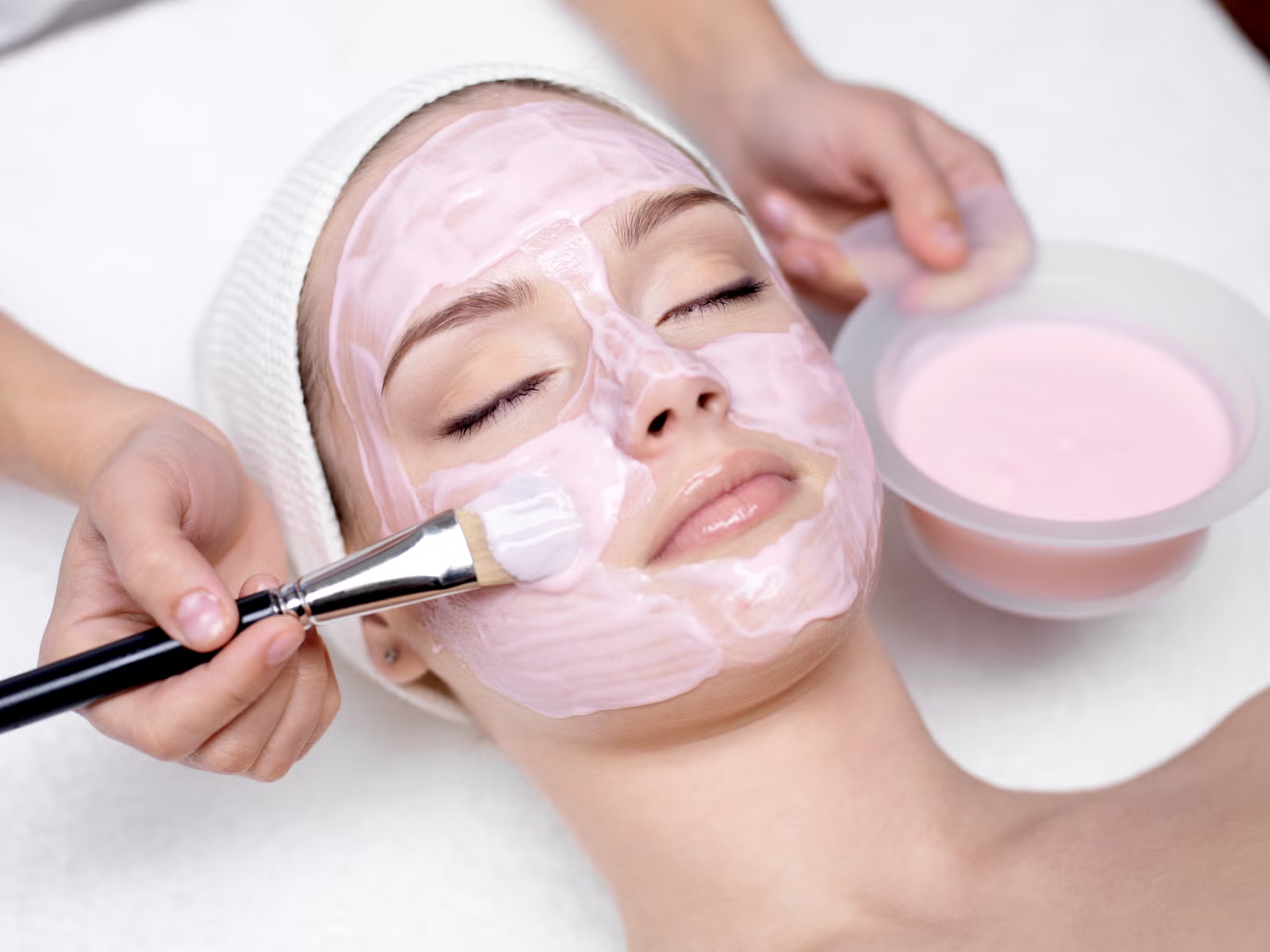
Face masks have become a staple in modern skincare routines. From influencers flaunting sheet masks on social media to beauty brands launching new formulas every week, it seems like everyone is masking. But the question remains: are face masks actually good for skin health, or are they just a beauty trend? Let’s break it down.
What Are Face Masks in Skincare?
In skincare, face masks are treatments applied for a short period to deliver concentrated ingredients. Unlike daily cleansers or moisturizers, masks are designed to target specific skin concerns with stronger, more active formulations.
The Science Behind Face Masks
Face masks work by creating a barrier that pushes active ingredients deeper into the skin. While many deliver instant results like hydration, glow, or reduced oiliness, long-term skin health depends on consistency and an overall skincare routine, not just occasional masking.
Types of Face Masks and Their Benefits
There’s no one-size-fits-all mask. Different formulas serve different purposes:
- Clay masks – Purify and absorb excess oil
- Sheet masks – Hydrate and soothe
- Gel masks – Refresh and cool the skin
- Cream masks – Nourish and moisturize
- Exfoliating masks – Brighten and smooth
Clay Masks: Detox and Oil Control
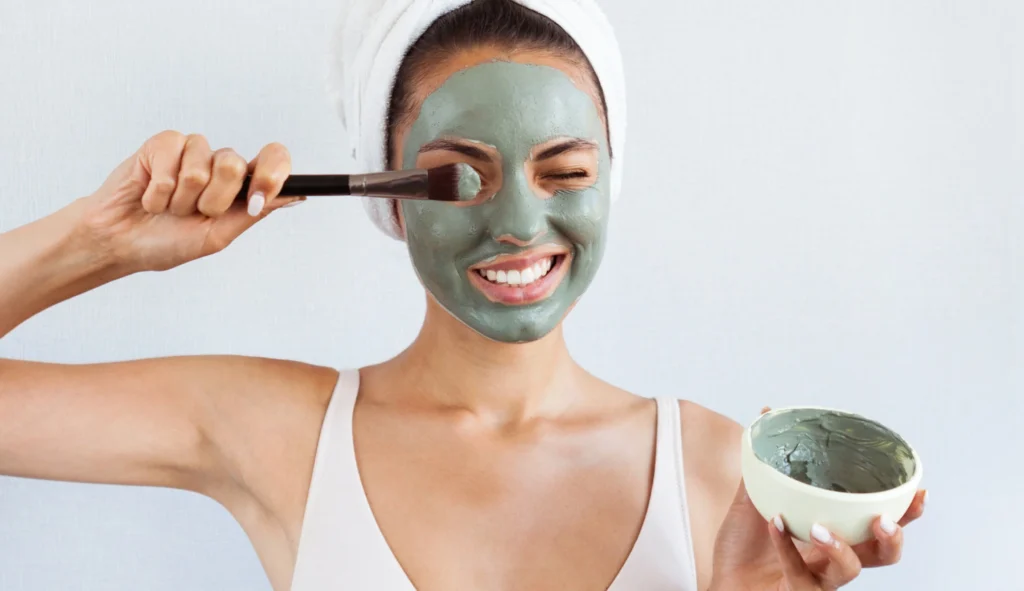
Clay masks are popular for oily and acne-prone skin. They absorb sebum, unclog pores, and leave skin feeling refreshed. However, overusing them can strip natural oils, leading to dryness or irritation.
Sheet Masks: Hydration Boost
Sheet masks are soaked in serums that infuse skin with moisture. Perfect for dry or tired-looking skin, they give a quick glow-up. The downside? Their effects are temporary unless followed by consistent hydration.
Gel and Cream Masks: Soothing and Nourishing
These masks are ideal for sensitive or aging skin. Gel masks cool and calm irritation, while cream masks are rich in emollients that restore softness and elasticity.
Exfoliating Masks: Smoother, Brighter Skin
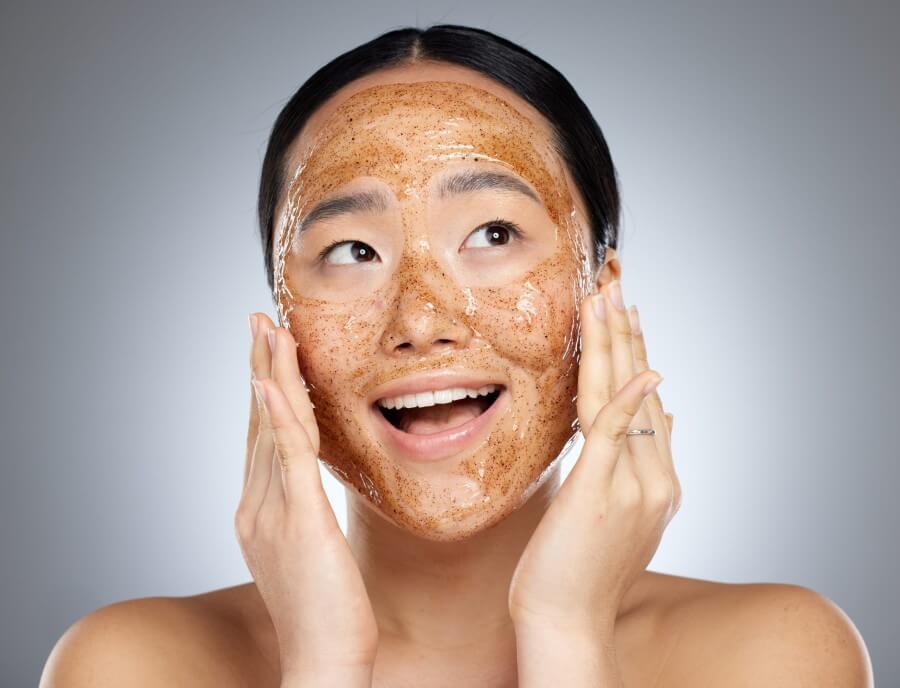
Exfoliating masks contain ingredients like AHAs or enzymes that remove dead skin cells. Used wisely, they reveal fresher, brighter skin. But overuse can damage the skin barrier and cause redness.
Skin Concerns Face Masks Can Help With
Face masks can be effective for:
- Acne – Clay and exfoliating masks unclog pores
- Dryness – Sheet and cream masks restore moisture
- Dull complexion – Exfoliating masks boost radiance
- Fine lines – Hydrating masks plump and smooth temporarily
Do Face Masks Improve Skin Health Long-Term?
Dermatologists agree that masks can support skin health, but they aren’t miracle workers. Long-term improvements come from daily habits: cleansing, moisturizing, sun protection, and a balanced diet. Masks should be seen as a supplement, not the foundation, of skincare.
Benefits Beyond Skin Health
Beyond physical results, face masks encourage relaxation and self-care. Stress directly affects skin by triggering breakouts and dullness, so the calming ritual of masking can improve skin indirectly by reducing stress.
Potential Downsides of Face Masks
Not every mask suits every skin type. Overusing strong masks can damage your skin barrier. Using a product with irritating ingredients—like alcohol or harsh fragrances—may worsen sensitive skin.
How To Use a Face Mask: 6 Mistakes To Avoid
How to Choose the Right Face Mask for Your Skin
- Oily skin: Go for clay or charcoal masks.
- Dry skin: Hydrating sheet or cream masks.
- Sensitive skin: Gel masks with calming ingredients like aloe vera.
- Aging skin: Cream masks with peptides or hyaluronic acid.
Best Practices for Using Face Masks
- Use masks 1–2 times a week depending on your skin type.
- Cleanse your face before applying to ensure better absorption.
- Follow up with moisturizer to lock in benefits.
DIY Face Masks: Natural Alternatives
Many people love homemade masks with ingredients like honey, yogurt, or oatmeal. While natural options can be soothing, always patch-test to avoid allergic reactions, and remember they may not be as effective as professional products.
Conclusion
So, are face masks good for skin health? Yes but with a caveat. They can hydrate, brighten, and soothe, but they aren’t a cure-all. For lasting results, face masks should be part of a well-rounded skincare routine that includes cleansing, moisturizing, and sun protection. Think of them as a skin “boost,” not the main event.
Read More : What Vitamins Should I Take For Hair Loss?