In today’s fast-paced world, more people are looking for natural, holistic ways to improve their health. Traditional Chinese Medicine (TCM), with its roots in thousands of years of practice, is making a strong comeback. Combining ancient wisdom with modern research, TCM offers powerful tools for healing and prevention.
What is Traditional Chinese Medicine?
Traditional Chinese Medicine is a holistic medical system developed in China over 2,000 years ago. It focuses on the body’s natural energy flow, called Qi (pronounced “chee”), and how balance between Yin and Yang influences health. Another core idea is the Five Elements theory which are Wood, Fire, Earth, Metal, and Water—each linked to organs and bodily functions.
The Core Principles of TCM Traditional Chinese Medicine
Unlike Western medicine, which often targets specific symptoms, TCM treats the whole person. The main principle is balance and harmony restoring the flow of Qi and maintaining equilibrium between body, mind, and environment.
A brief history: Traditional Chinese medicinal system
Common Practices in Traditional Chinese Medicine
TCM isn’t just one therapy, it’s a collection of time-tested practices, including:
- Acupuncture – stimulating energy points with fine needles
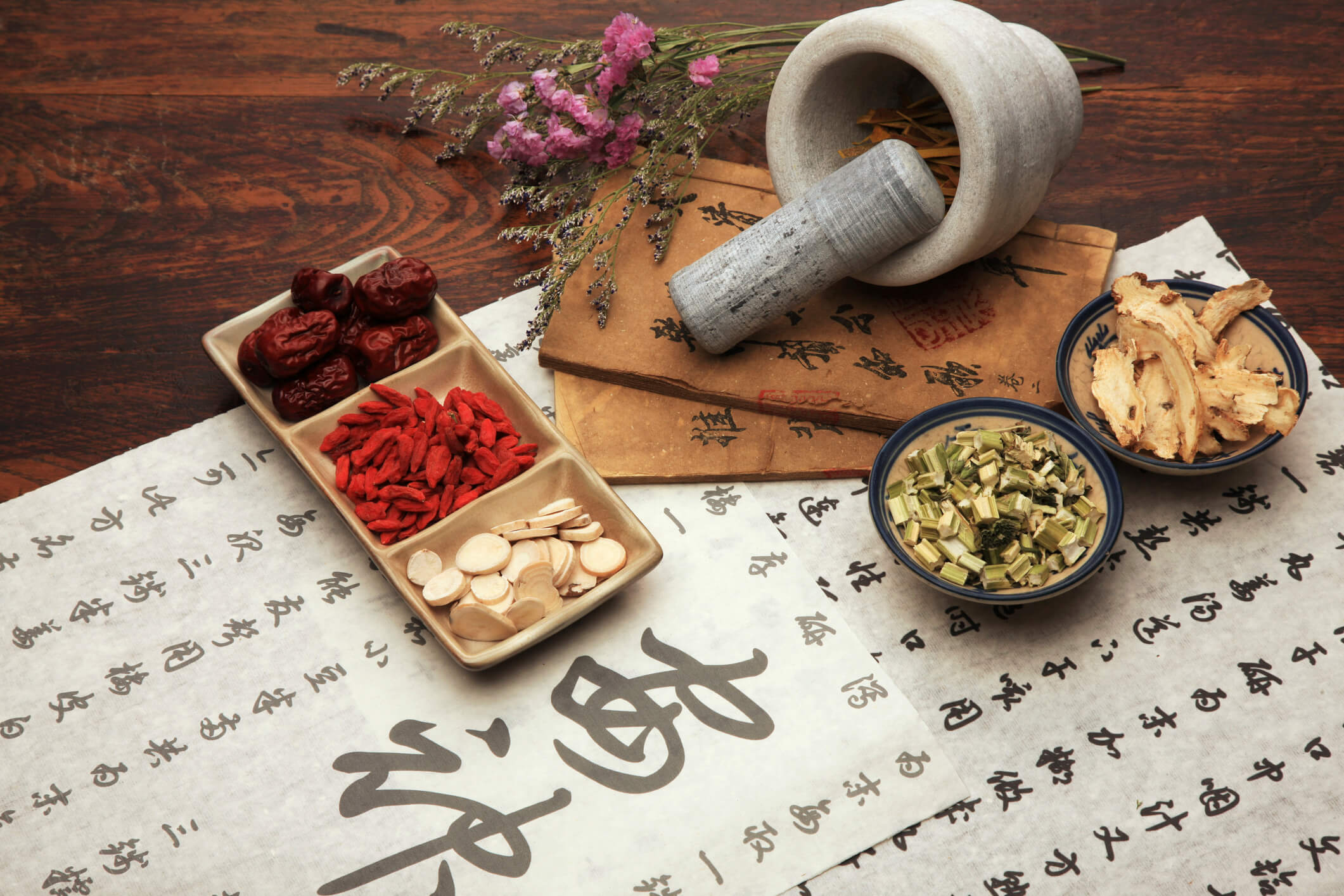
- Herbal medicine – using plants, roots, and minerals
- Cupping therapy – suction cups to improve circulation
- Moxibustion – burning herbs near the skin for heat therapy
- Tai Chi and Qigong – gentle movement and breathing exercises
Acupuncture: Restoring Energy Flow
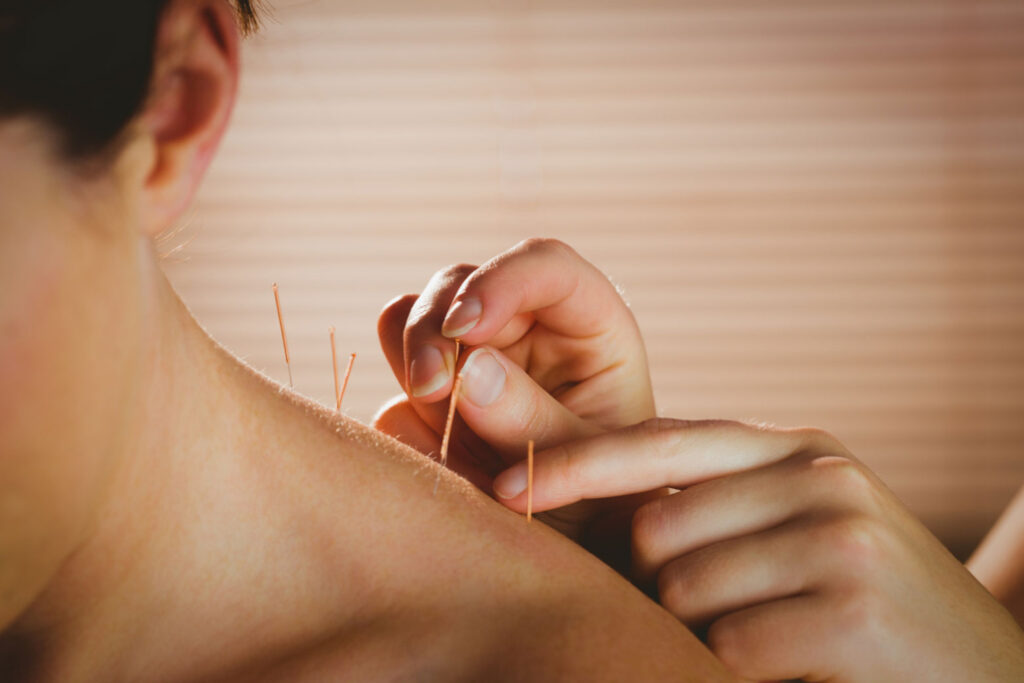
Acupuncture involves inserting thin needles into specific points along energy meridians. It may sound intimidating, but it’s usually painless and deeply relaxing.
Benefits of Acupuncture
- Relieves chronic pain (back pain, arthritis, migraines)
- Reduces stress and anxiety
- Supports better sleep and digestion
Herbal Medicine in TCM
Herbs are the backbone of Chinese medicine. Formulas are customized for each person to restore balance.
Some common herbs include:
- Ginseng – boosts energy and immunity
- Ginger – aids digestion and circulation
- Goji berries – supports eye and liver health
Cupping Therapy: Ancient Detox Technique
Cupping uses heated glass or silicone cups to create suction on the skin. This pulls blood to the surface, improving circulation and removing toxins.
That’s why many athletes, like Olympic swimmers, proudly show off their round cupping marks.
Moxibustion: Healing with Heat
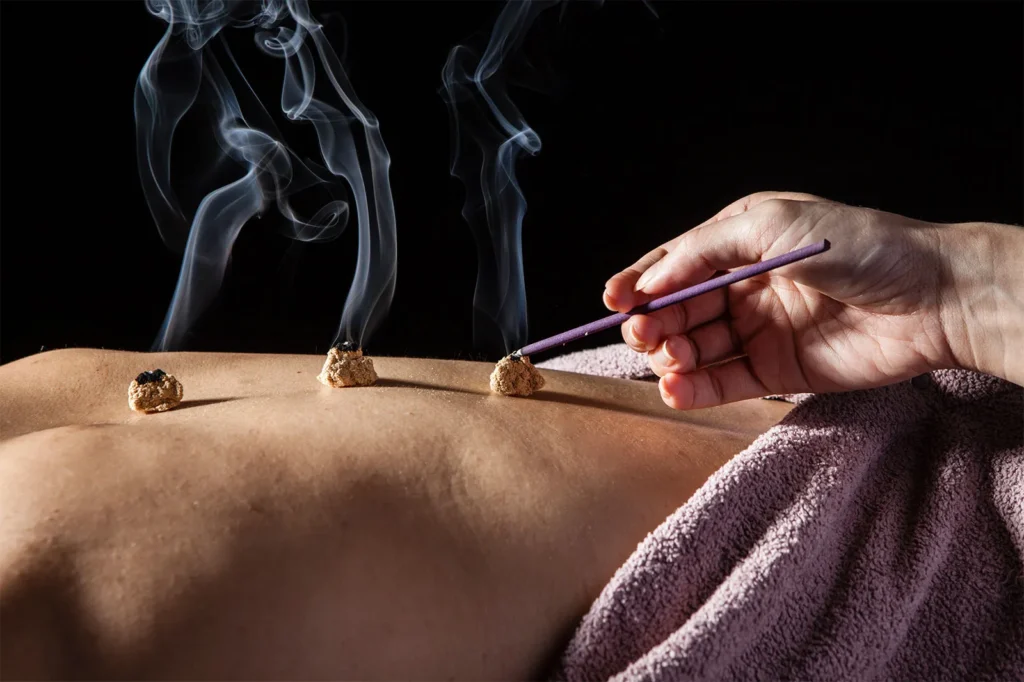
Moxibustion involves burning dried mugwort (a medicinal herb) near the skin to warm energy pathways. It’s often used for joint pain, digestive issues, and even to help turn breech babies during pregnancy.
Tai Chi and Qigong for Mind-Body Wellness
These gentle martial arts focus on slow, flowing movements and controlled breathing. Regular practice improves flexibility, reduces stress, and enhances energy balance. Many people see them as moving meditation.
The Science Behind TCM
Modern research has started validating TCM practices. Acupuncture, for example, is now recognized by the World Health Organization for treating over 30 conditions. Many doctors also recommend TCM as a complementary approach alongside Western treatments.
Health Benefits of Traditional Chinese Medicine
The benefits are wide-ranging:
- Pain management – effective for back pain, arthritis, and migraines
- Stress and anxiety relief – calming techniques like acupuncture and Tai Chi
- Boosting immunity – herbal remedies strengthen resistance
- Digestive health – herbs and diet therapy improve gut function
Traditional Chinese Medicine in Everyday Life
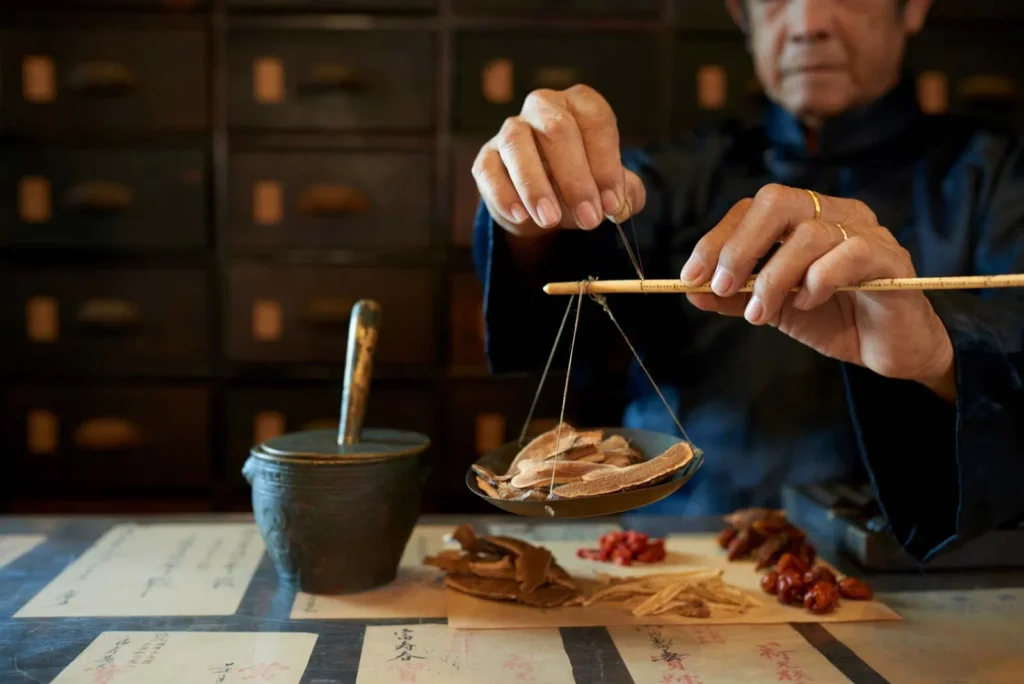
TCM isn’t only about treatments; it’s also about lifestyle. Diet therapy suggests eating foods that balance your body type and the season. For example, warming soups in winter, cooling fruits in summer. Preventive care is just as important as curing illness.
Who Can Benefit from TCM?
- People with chronic illnesses seeking natural relief
- Anyone looking for stress reduction and balance
- Those who value preventive health care
Safety and Precautions
While TCM is generally safe, it should only be practiced by trained professionals. Herbal remedies must be prescribed carefully, as misuse can cause side effects. Always consult both a licensed TCM practitioner and your doctor before starting treatments.
Conclusion
Traditional Chinese Medicine may be ancient, but its wisdom is timeless. In a world where stress and chronic illnesses are on the rise, TCM provides a holistic, natural way to restore balance and improve well-being. Blending ancient healing with modern science, it’s truly medicine for modern times.
Read More : Benefits of Niacinamide for Glowing, Healthy Skin