We live in a digital world where screens dominate nearly every part of our daily lives. From smartphones and laptops to TVs and tablets, our eyes are constantly exposed to blue light. While some blue light exposure is natural and even beneficial, excessive exposure can harm our eyes, affect sleep, and impact overall health. The good news? There are effective and practical ways to protect yourself.
What Is Blue Light?
Natural vs. Artificial Blue Light
Blue light is a type of high-energy visible (HEV) light that comes from both natural and artificial sources. The sun is the largest source, but artificial sources include LED screens, fluorescent lights, and digital devices.
Why Too Much Blue Light Is Harmful
While small amounts of blue light boost alertness and regulate sleep-wake cycles, overexposure especially from screens can cause eye strain, disrupt sleep, and potentially contribute to long-term vision problems.
Common Sources of Blue Light
Digital Screens
Phones, tablets, computers, and TVs are the most common culprits in modern life.

LED and Fluorescent Lighting
Modern lighting emits blue light, especially energy-efficient LEDs.
Sunlight
Ironically, the sun is the most significant source of blue light. But unlike screens, exposure is natural and balanced with other light wavelengths.
Effects of Blue Light on Health
Eye Strain and Fatigue
Extended screen time can cause digital eye strain—burning eyes, headaches, and blurred vision.
Disruption of Sleep Patterns
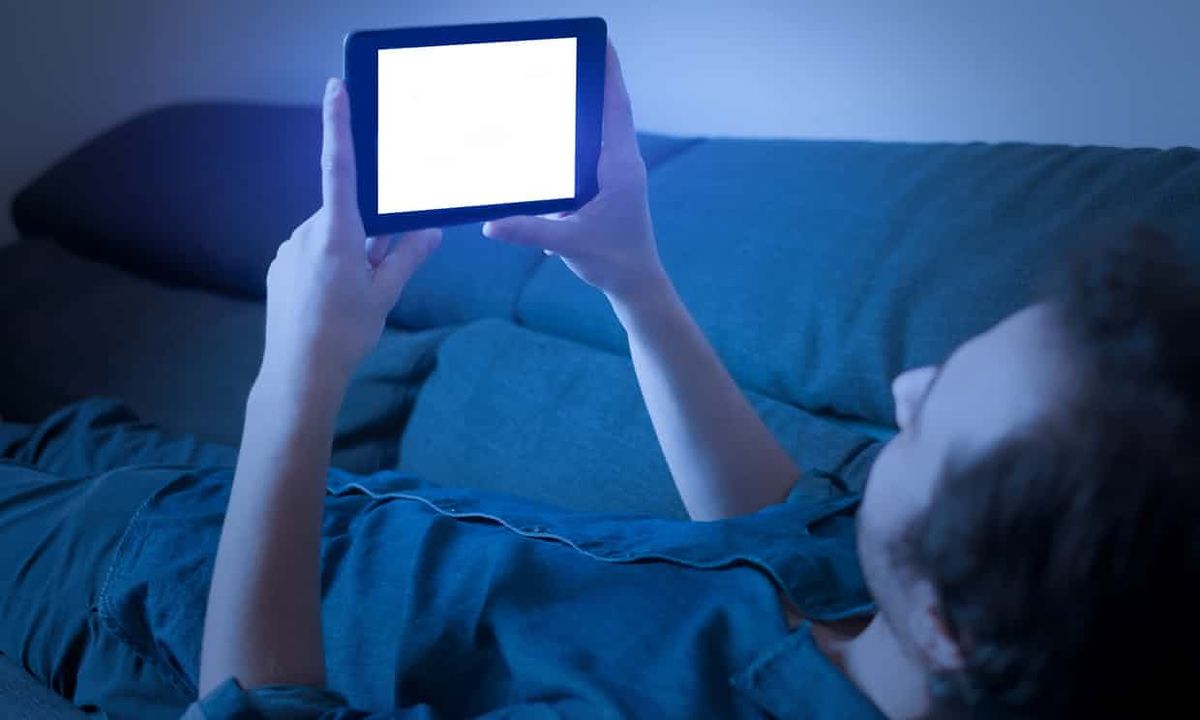
Blue light suppresses melatonin, the hormone responsible for sleep. Using devices before bed makes it harder to fall asleep and stay asleep.
Possible Long-Term Risks
Though research is ongoing, some studies suggest overexposure may damage retinal cells and increase the risk of macular degeneration.
Top 10 Ways to Protect Yourself from Blue Light Exposure
1. Use Blue Light Blocking Glasses
Blue light glasses filter out harmful wavelengths and are especially useful if you spend hours in front of screens daily.
2. Enable Night Mode on Devices
Most smartphones and computers now offer a “night mode” or “blue light filter” setting that reduces harsh blue light emissions.
3. Adjust Screen Brightness
Lowering screen brightness to match your environment reduces strain and unnecessary exposure.
4. Follow the 20-20-20 Rule
Every 20 minutes, look at something 20 feet away for 20 seconds. This gives your eyes a much-needed break.
5. Limit Screen Time Before Bed
Turn off screens at least an hour before bedtime. Instead, unwind with a book or calming routine to help your brain prepare for sleep.
6. Use Blue Light Filter Apps
If your device doesn’t have built-in night mode, apps like f.lux or screen dimming apps can help.
7. Take Regular Screen Breaks
Short breaks throughout the day prevent your eyes from becoming fatigued. Stretch, walk, or close your eyes for a minute or two.
8. Improve Ambient Lighting
Avoid working in dark rooms with a bright screen. Balanced room lighting reduces contrast and eye strain.
9. Invest in Anti-Glare Screen Protectors
These filters not only block blue light but also reduce glare, making screen time more comfortable.
10. Prioritize Natural Sleep Hygiene
Stick to a regular sleep schedule, avoid late-night scrolling, and create a calming bedtime routine to offset the effects of blue light.
Preventing Blue Light Damage Naturally
Eye-Healthy Diet
Eating foods rich in vitamins A, C, and E, plus lutein and zeaxanthin (found in leafy greens), supports long-term eye health.
Staying Hydrated
Dry eyes make blue light strain worse. Drinking enough water helps keep your eyes lubricated.
When to Seek Professional Help
If you experience chronic headaches, blurred vision, or persistent eye discomfort despite protective measures, it’s wise to consult an eye specialist.
Conclusion
Blue light exposure is an unavoidable part of modern life, but it doesn’t have to take a toll on your eyes or sleep. By combining all the simple adjustments, you can minimize risks and protect your long-term eye health.
Read More About Blue Light