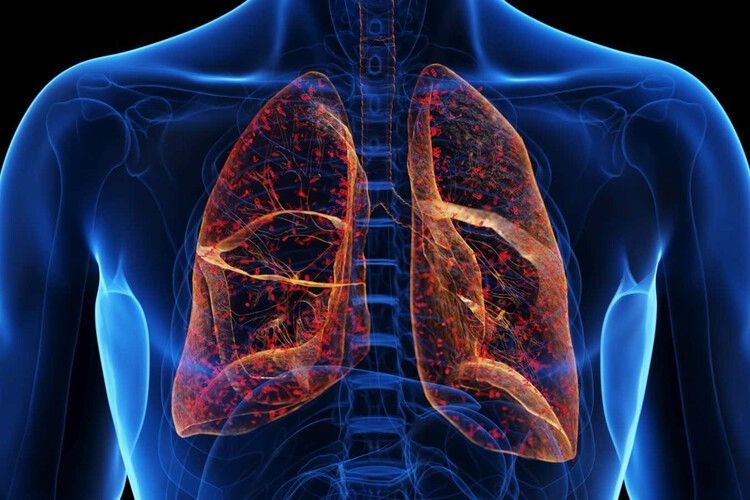
Cystic fibrosis (CF) is more than just a medical term, it’s a life-altering condition that affects thousands of people worldwide. While once considered a fatal childhood disease, advances in medical care have drastically improved life expectancy and quality of life for those living with it. But what exactly is cystic fibrosis? What causes it, how does it affect the body, and what treatments are available?
What is Cystic Fibrosis?
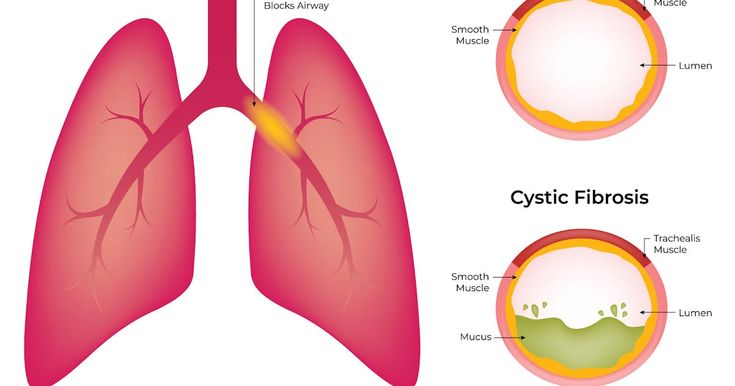
Cystic fibrosis is a genetic disorder that primarily affects the lungs and digestive system. It occurs when a defective gene causes the body to produce thick, sticky mucus that clogs airways and traps harmful bacteria. Over time, this leads to persistent infections, breathing difficulties, and digestive issues.
Unlike conditions caused by lifestyle or environment, CF is inherited, it’s passed down from parents to their children.
Causes of Cystic Fibrosis
The root cause of cystic fibrosis lies in genetics.
The CFTR Gene
CF is caused by mutations in the Cystic Fibrosis Transmembrane Conductance Regulator (CFTR) gene. This gene controls the movement of salt and water in and out of cells. When it doesn’t work properly, mucus becomes thick and sticky instead of thin and slippery.
Inheritance Pattern
- CF is inherited in an autosomal recessive manner.
- This means a child must inherit one faulty CFTR gene from each parent to develop the condition.
- If they inherit just one faulty gene, they become carriers but usually don’t show symptoms.
Symptoms of Cystic Fibrosis
Symptoms can vary from person to person, but they usually affect the lungs, digestive system, and reproductive system.
Respiratory Symptoms
- Persistent cough producing thick mucus
- Frequent lung infections like bronchitis or pneumonia
- Wheezing and shortness of breath
Digestive Symptoms
- Poor weight gain despite a healthy appetite
- Greasy, bulky stools due to poor fat absorption
- Intestinal blockages, especially in newborns
Other Common Symptoms
- Salty-tasting skin (often noticed when kissing a child)
- Chronic sinus infections
- Male infertility due to blocked vas deferens
How is Cystic Fibrosis Diagnosed?

Doctors use several tests to confirm CF:
- Newborn Screening – Blood tests can detect high levels of a chemical linked to CF.
- Sweat Test – Measures the salt levels in sweat; high levels suggest CF.
- Genetic Testing – Identifies mutations in the CFTR gene.
Early diagnosis is key because prompt treatment can slow the progression of symptoms.
Complications of Cystic Fibrosis
Without proper management, CF can lead to serious health problems such as:
- Chronic respiratory failure
- Diabetes related to CF
- Osteoporosis due to poor nutrient absorption
- Liver disease from blocked bile ducts
Complications of cystic fibrosis
Treatment Options for Cystic Fibrosis
While there is no cure for cystic fibrosis yet, treatments focus on managing symptoms, preventing complications, and improving quality of life.
1. Airway Clearance Techniques (ACTs)

These methods help loosen and clear mucus from the lungs. Techniques include chest physiotherapy, oscillating vests, and breathing exercises.
2. Medications
- Antibiotics – Fight recurring lung infections
- Mucus-thinning drugs – Make mucus less sticky and easier to clear
- Bronchodilators – Relax the muscles around airways for easier breathing
3. CFTR Modulators
A breakthrough class of drugs that target the defective CFTR protein itself. These medications improve lung function and reduce symptoms in people with specific gene mutations.
4. Nutritional Therapy
- Enzyme supplements to help digest fats and proteins
- High-calorie, high-fat diets to maintain a healthy weight
- Vitamin supplements, especially fat-soluble vitamins (A, D, E, K)
5. Lung Transplants
In severe cases, when lung function drops drastically, a lung transplant may be the only option.
Living with Cystic Fibrosis
Managing CF requires a daily commitment, but with modern treatments, many patients lead active, fulfilling lives. Key lifestyle adjustments include:
- Staying physically active to strengthen lungs
- Avoiding exposure to smoke and harmful pollutants
- Maintaining regular medical checkups
- Following a personalized treatment plan
Hope for the Future
Research into cystic fibrosis is advancing rapidly. New therapies and gene-editing techniques like CRISPR are offering hope for more effective treatments, and potentially, a cure. Compared to just a few decades ago, when life expectancy was very low, many people with CF today live into their 40s, 50s, and beyond.
Conclusion
Cystic fibrosis is a challenging condition, but it’s not without hope. Understanding its causes, symptoms, and treatment options is the first step toward better management. Thanks to medical breakthroughs, people with CF now have access to treatments that improve quality of life and extend survival rates. With ongoing research, the future looks brighter than ever for those living with this condition.
Read More: How Tuberculosis Spreads and What You Can Do to Prevent It