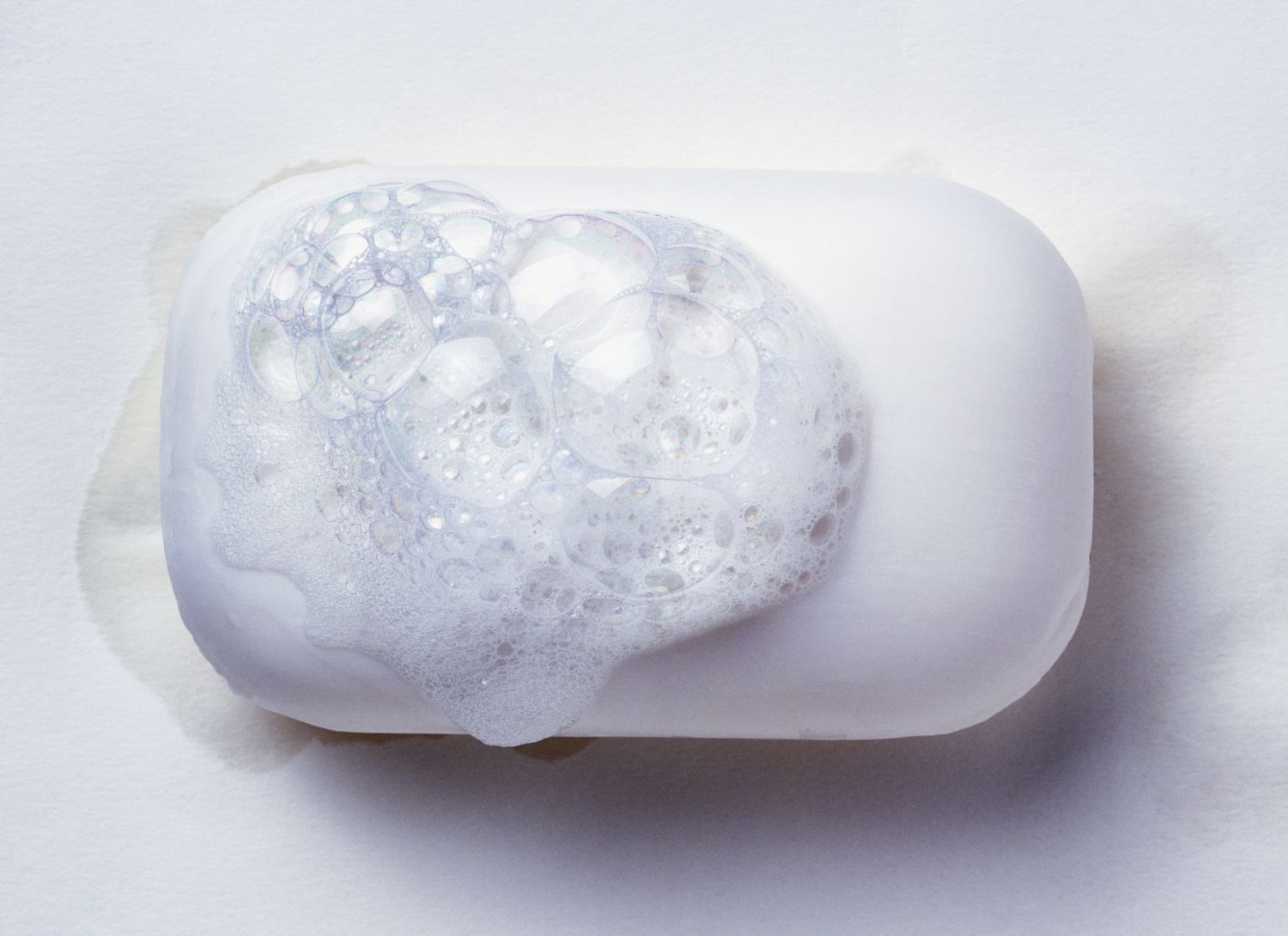
Skin-lightening products have become increasingly popular in recent years, particularly in beauty markets across Asia, Africa, and other regions where lighter skin is often associated with beauty standards. Among these products, whitening soap is one of the most widely used options. Many people are drawn to it because it seems simple, affordable, and convenient.
However, while whitening soap is marketed with promises of a more radiant complexion, it’s important to understand that it can come with several downsides. In fact, dermatologists and health experts often warn that prolonged or improper use of whitening soap can cause more harm than good. This article explores the potential risks, side effects, and reasons why consumers should carefully reconsider before relying on whitening soap as a skincare solution.
What Is Whitening Soap?
Whitening soap is a type of skincare product formulated with ingredients designed to reduce melanin production in the skin. Melanin is the natural pigment responsible for skin color, and by suppressing it, these soaps aim to lighten or even out complexion.
Common ingredients found in whitening soaps include:
- Kojic acid
- Glutathione
- Arbutin
- Licorice extract
- Chemical bleaching agents (such as hydroquinone in some regions)
While some of these ingredients are plant-derived and relatively mild, others can be harsh or even harmful if overused.
The Downsides of Using Whitening Soap
1. Skin Irritation and Dryness
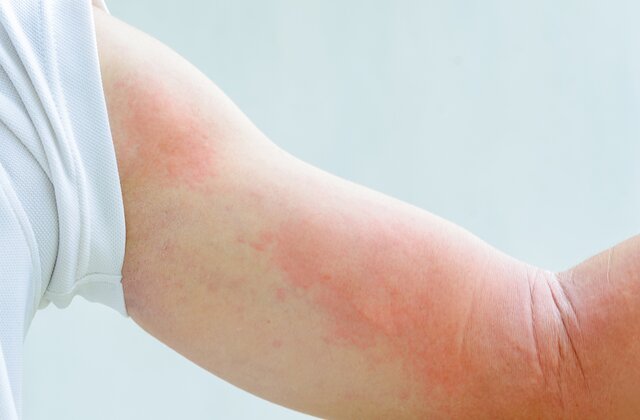
One of the most immediate downsides of using whitening soap is skin irritation. Many whitening agents strip the skin of natural oils, leaving it dry, flaky, and tight. Sensitive skin types are especially prone to redness, itchiness, or even rashes after regular use.
Frequent irritation can also weaken the skin barrier, making it more vulnerable to external aggressors like pollution, bacteria, and UV rays. Over time, this can cause recurring breakouts or persistent skin discomfort.
2. Uneven Skin Tone
Ironically, instead of creating a smooth and even complexion, whitening soap can sometimes cause patchy or uneven results. Because these soaps don’t always penetrate the skin evenly, some areas may lighten faster than others. The result is a blotchy, unnatural appearance that may be harder to manage than the original concern.
3. Risk of Allergic Reactions
Certain chemicals in whitening soap especially synthetic lightening agents can trigger allergic reactions. Symptoms may include swelling, hives, or intense itching. For people with a history of allergies or eczema, the risk is even higher.
Some reactions may not appear immediately but develop after repeated exposure, making it difficult to identify whitening soap as the cause until significant skin damage has already occurred.
4. Long-Term Damage from Harsh Chemicals
Not all whitening soaps are created equal. While some use natural brightening extracts, others contain harsh bleaching agents that can damage skin cells with prolonged use. Hydroquinone and mercury, for example, have been found in some unregulated whitening products, and both are linked to serious health risks.
- Hydroquinone can thin the skin and increase the risk of ochronosis, a condition that causes bluish-black patches.
- Mercury, which is banned in many countries, is highly toxic and can lead to kidney damage, neurological problems, and permanent skin issues.
Unfortunately, counterfeit or unregulated whitening soap products often contain these dangerous substances.
5. Increased Sun Sensitivity
Most whitening soaps reduce melanin production. While this may make skin appear lighter, it also removes some of the skin’s natural protection against the sun. Melanin acts as a natural defense against harmful UV rays. With less melanin, your skin becomes more prone to sunburn, premature aging, and even skin cancer.
For people living in sunny climates, using whitening soap without proper sun protection can be particularly dangerous.
6. Psychological and Social Pressure
Beyond the physical downsides, it’s also important to consider the psychological impact of using whitening soap. These products are often marketed by exploiting insecurities and promoting the idea that lighter skin is more attractive or desirable.
This can reinforce harmful beauty standards and contribute to issues like:
- Low self-esteem
- Body image concerns
- Pressure to conform to unrealistic ideals
Relying on whitening soap to feel confident may only provide temporary satisfaction, while long-term confidence comes from embracing natural skin tone and healthy skincare practices.
7. False Advertising and Unrealistic Expectations
Many whitening soaps promise dramatic results within weeks, but in reality, most provide little to no noticeable improvement. Users may feel disappointed after spending money and time, especially when their skin doesn’t match the advertised outcome.
Some companies also Photoshop before-and-after photos or exaggerate claims, leading consumers to unrealistic expectations about what whitening soap can achieve.
Safer Alternatives to Whitening Soap
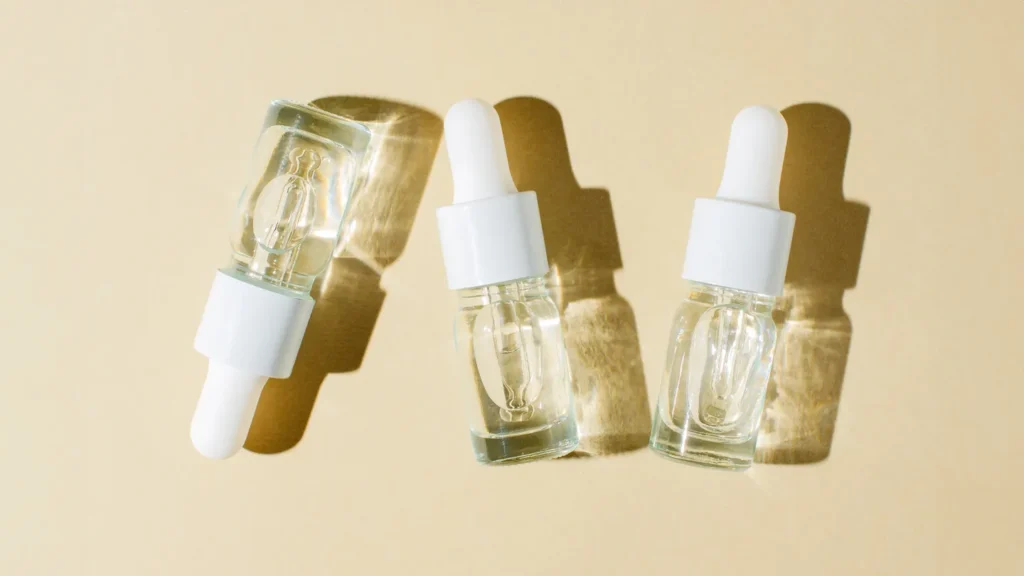
If your goal is to achieve brighter, healthier-looking skin, there are safer and more effective approaches than relying on whitening soap:
- Regular Exfoliation – Using gentle exfoliants like lactic acid or fruit enzymes can remove dead skin cells and reveal a natural glow without harsh bleaching.
- Vitamin C Serums – Vitamin C is a powerful antioxidant that brightens skin, reduces dark spots, and protects against sun damage.
- Niacinamide – A popular skincare ingredient that helps with pigmentation and strengthens the skin barrier without harmful side effects.
- Proper Sun Protection – Daily use of sunscreen prevents darkening, sun damage, and uneven tone, keeping skin healthier in the long run.
- Healthy Lifestyle Choices – Staying hydrated, eating nutrient-rich foods, and getting enough sleep can all improve skin appearance naturally.
How to Use Whitening Soap Safely (If You Still Choose To)
If you still prefer to use whitening soap, consider these precautions to minimize risks:
- Patch Test First – Test the soap on a small area of skin before applying it to your face or body.
- Limit Frequency – Don’t use whitening soap multiple times a day; once is usually enough.
- Moisturize Well – Follow up with a good moisturizer to combat dryness and irritation.
- Use Sunscreen – Always apply broad-spectrum sunscreen during the day to protect your skin.
- Choose Reputable Brands – Avoid cheap, unregulated products and check labels for harmful ingredients.
Conclusion
While whitening soap may seem like an easy solution for achieving lighter or more even skin, the reality is that it comes with significant downsides. From dryness and irritation to long-term damage caused by harsh chemicals, the risks often outweigh the potential benefits. Moreover, relying on such products reinforces unrealistic beauty standards that can negatively affect self-esteem. Instead of turning to whitening soap, consider safer skincare alternatives such as exfoliation, vitamin C serums, niacinamide, and consistent sun protection.
Read More : Foods That Are Good for Heart: Eat Your Way to a Healthier Life