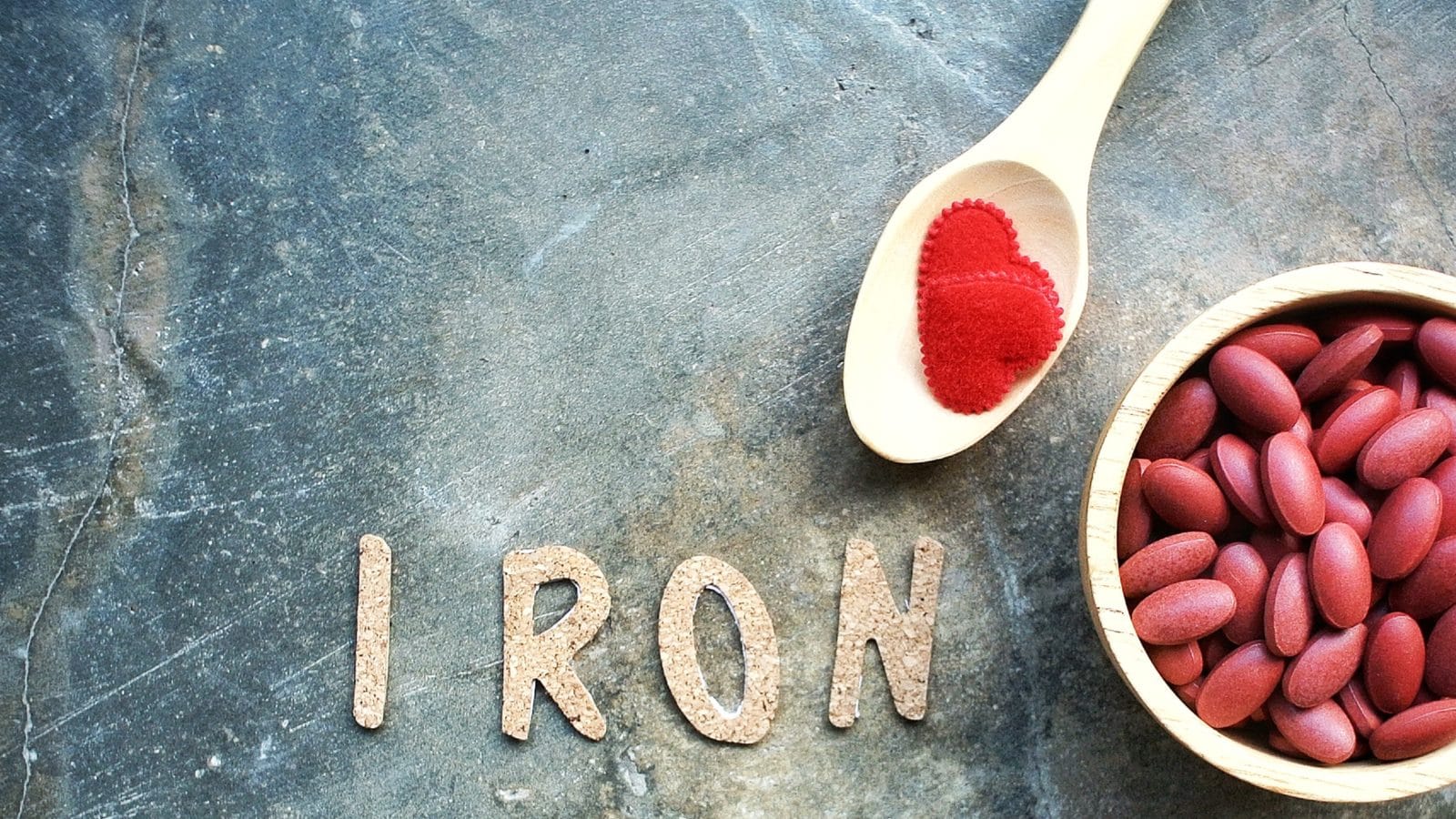
Iron plays a vital role in keeping the body healthy and energized. It helps produce hemoglobin, the protein in red blood cells that carries oxygen from your lungs to the rest of your body. When iron levels drop too low, your body struggles to get enough oxygen, leading to a condition known as iron deficiency. This is the most common nutritional deficiency worldwide, affecting people of all ages, especially women, children, and individuals with certain medical conditions.
What Is Iron Deficiency?
Iron deficiency occurs when your body doesn’t have enough iron to produce adequate hemoglobin. Without enough hemoglobin, your red blood cells can’t carry sufficient oxygen, leaving you feeling weak and run-down. In severe cases, this can develop into iron deficiency anemia, a condition that requires medical treatment.
Common Causes of Iron Deficiency
Several factors can contribute to iron deficiency, including:
- Inadequate dietary intake – People who don’t consume enough iron-rich foods, such as meat, beans, or leafy greens, are at risk.
- Blood loss – Heavy menstrual periods, gastrointestinal bleeding, or frequent blood donations can lower iron stores.
- Increased demand – Pregnant women, children, and adolescents need more iron to support growth and development.
- Poor absorption – Certain digestive conditions, such as celiac disease, Crohn’s disease, or gastric bypass surgery, can reduce the body’s ability to absorb iron.
Key Signs of Iron Deficiency You Shouldn’t Ignore
Iron deficiency can develop gradually, and its symptoms may be subtle at first. Here are the most common warning signs:
1. Persistent Fatigue and Weakness Iron Deficiency
One of the earliest and most common signs of iron deficiency is ongoing tiredness. Because your body isn’t getting enough oxygen, your muscles and tissues struggle to perform efficiently, leaving you drained even after rest.
2. Pale Skin and Brittle Nails
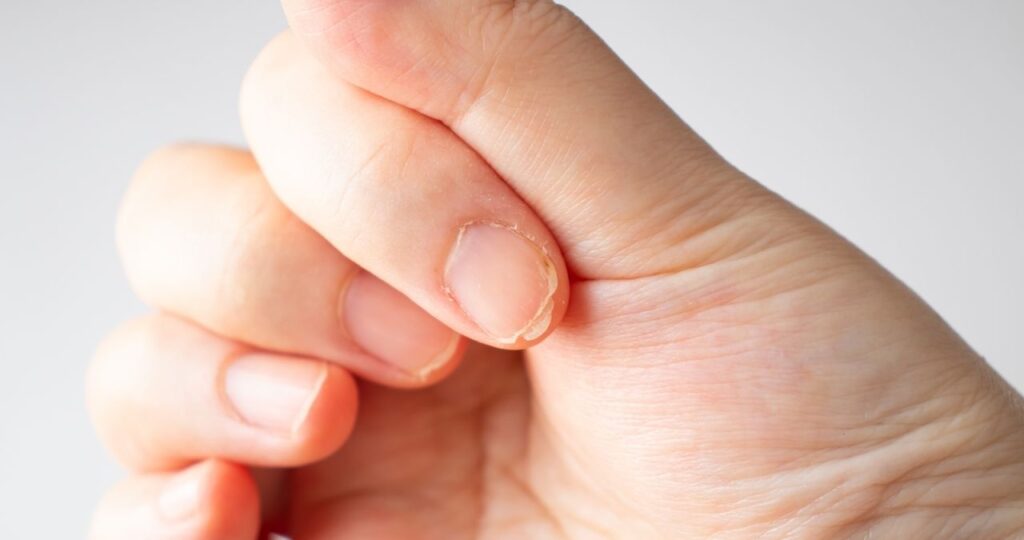
A lack of hemoglobin reduces blood flow to your skin, making you look unusually pale. Some people also notice brittle or spoon-shaped nails, a condition called koilonychia, which can point to long-term iron deficiency.
3. Shortness of Breath
If you find yourself out of breath after simple activities like climbing stairs or walking, iron deficiency could be the reason. Without sufficient oxygen delivery, your body compensates by making you breathe faster.
4. Frequent Headaches or Dizziness
The brain requires steady oxygen supply. When levels drop, headaches, lightheadedness, or even fainting can occur more frequently.
5. Heart Palpitations
Low iron levels force the heart to pump harder to circulate oxygen. Over time, this strain can cause noticeable palpitations, irregular beats, or chest discomfort.
6. Cold Hands and Feet
Poor circulation due to low hemoglobin can leave your extremities constantly cold, even in warmer environments.
7. Unusual Cravings
Some people with iron deficiency develop cravings for non-food items like ice, clay, or paper. This condition, known as pica, is a red flag for nutritional deficiency.
8. Hair Loss and Dry Skin
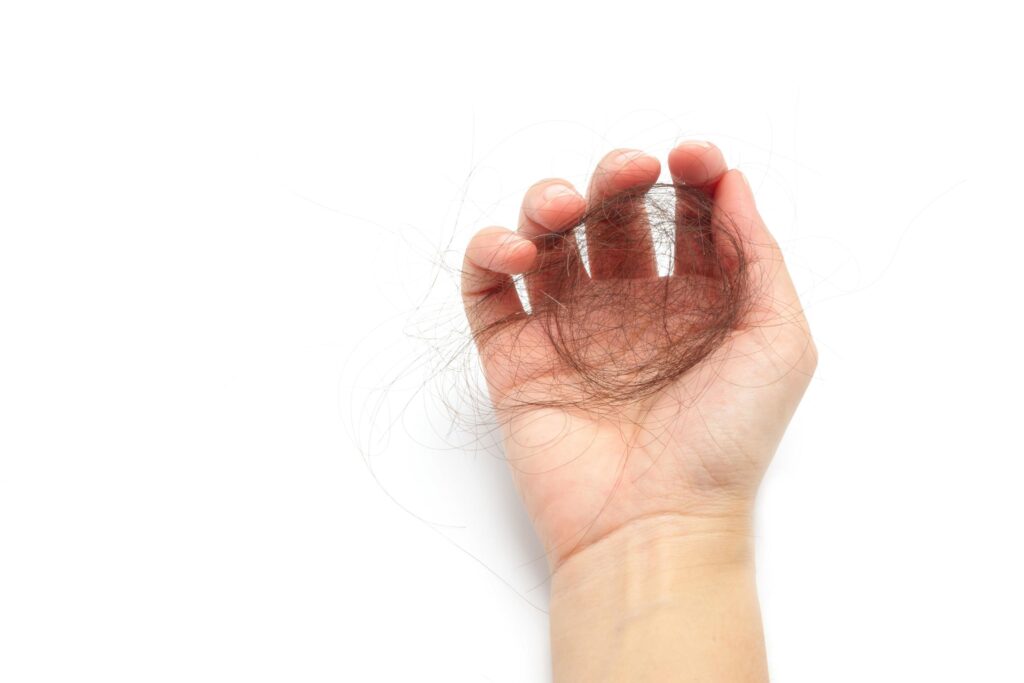
Oxygen supports healthy skin and hair growth. Inadequate iron can lead to thinning hair, dry skin, and slower wound healing.
9. Restless Legs Syndrome
Studies show that people with iron deficiency are more likely to experience restless legs syndrome, an uncontrollable urge to move the legs, particularly at night.
Who Is Most at Risk of Iron Deficiency?
While anyone can develop low iron levels, some groups are at higher risk:
- Women of childbearing age – Menstrual blood loss is a leading cause.
- Pregnant women – Increased blood volume and fetal development raise iron needs.
- Infants and children – Rapid growth requires extra iron, making deficiencies common.
- Vegetarians and vegans – Plant-based diets may lack easily absorbed heme iron found in animal products.
- Individuals with chronic illnesses – Conditions like kidney disease, ulcers, or cancer can lead to iron loss or poor absorption.
Diagnosing Iron Deficiency
If you suspect iron deficiency, consult a healthcare professional. Diagnosis typically involves:
- Blood tests – Measuring hemoglobin, hematocrit, and ferritin (iron storage) levels.
- Medical history – Understanding diet, lifestyle, and health conditions.
- Physical exam – Checking for pallor, brittle nails, or other visible signs.
Early diagnosis is important because untreated iron deficiency can progress into anemia and cause long-term health issues.
Iron Deficiency Anemia: Evaluation and Management
How to Prevent and Treat Iron Deficiency
The good news is that iron deficiency is usually treatable with dietary changes and, if necessary, supplements.
1. Eat Iron-Rich Foods
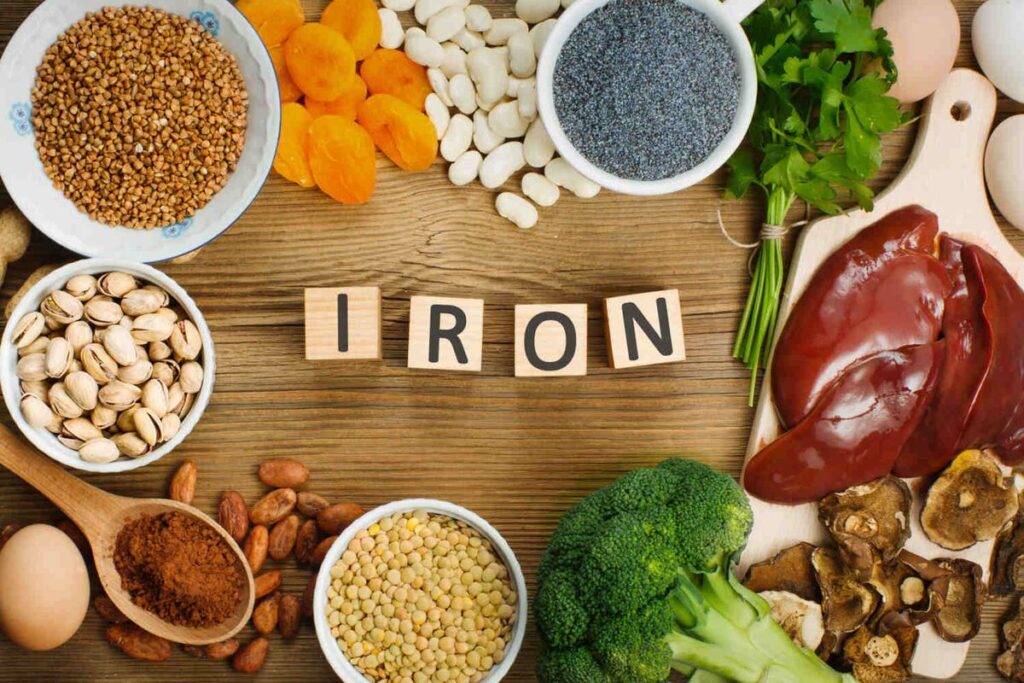
Incorporate both heme and non-heme iron sources into your diet:
- Heme iron (easily absorbed): red meat, poultry, fish, shellfish.
- Non-heme iron (plant-based): beans, lentils, tofu, spinach, fortified cereals, pumpkin seeds.
2. Boost Absorption with Vitamin C
Pairing iron-rich foods with vitamin C (from oranges, strawberries, or bell peppers) enhances absorption. For example, a spinach salad with lemon juice or a bean dish with tomatoes makes a powerful combination.
3. Limit Inhibitors
Certain foods and drinks, such as coffee, tea, and dairy, can hinder iron absorption when consumed in excess. It’s best to avoid these around meal times if you’re trying to increase your iron intake.
4. Consider Iron Supplements
If diet alone isn’t enough, a doctor may recommend iron tablets or liquid supplements. Always follow medical guidance, since too much iron can be harmful.
5. Treat Underlying Causes
If bleeding, chronic illness, or malabsorption is behind your iron deficiency, addressing the root cause is crucial for long-term recovery.
When to See a Doctor
If you notice persistent fatigue, shortness of breath, or other warning signs mentioned earlier, it’s important not to self-diagnose. Professional evaluation ensures you get the right treatment and avoid complications from untreated iron deficiency anemia.
Conclusion
Iron deficiency is one of the most widespread nutritional problems worldwide, yet it often goes unnoticed until symptoms worsen. Fatigue, pale skin, brittle nails, dizziness, and unusual cravings are all red flags that shouldn’t be ignored. By eating a balanced diet rich in iron, supporting absorption with vitamin C, and seeking medical advice when necessary, you can protect yourself from the serious consequences of low iron levels.
Read More: Health Benefits of Drinking Matcha