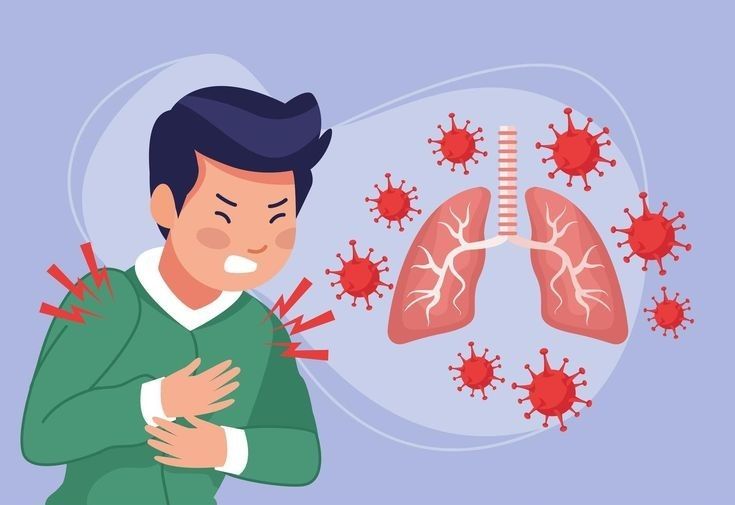
Tuberculosis, often referred to as TB, is one of the world’s oldest and deadliest infectious diseases. Despite advancements in medicine, millions of people are still affected each year. Understanding how tuberculosis spreads and learning ways to prevent it is essential for protecting yourself and others. Let’s break it down in simple terms.
What Is Tuberculosis?
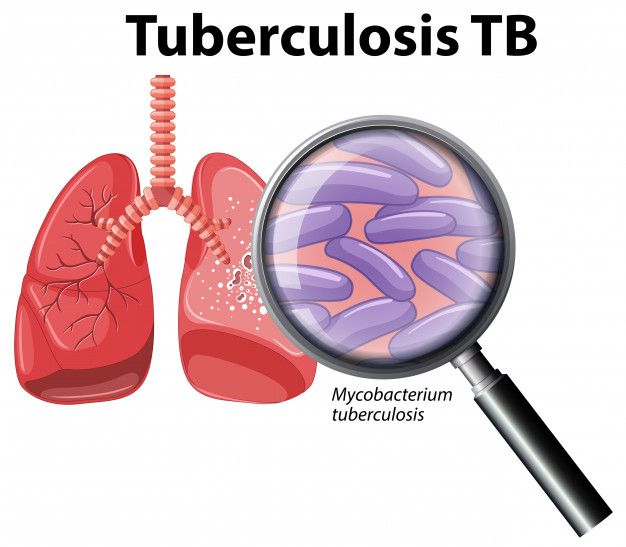
Tuberculosis is an infectious disease caused by a bacterium called Mycobacterium tuberculosis. It primarily affects the lungs but can spread to other parts of the body, such as the kidneys, spine, or brain.
How Tuberculosis Spreads
TB is highly contagious, but it doesn’t spread as easily as the common cold. Here’s how it works:
1. Through the Air
When someone with active TB coughs, sneezes, talks, or even sings, tiny droplets containing TB bacteria are released into the air. If another person breathes in these droplets, they may become infected.
2. Prolonged Close Contact
Unlike some illnesses, TB usually requires extended exposure. Simply passing someone on the street is unlikely to infect you. Spending hours in close, enclosed spaces with an infected person increases the risk.
3. Not Spread by Touch
It’s important to note that TB is not spread through handshakes, sharing food, or touching surfaces. It’s only transmitted through airborne particles.
Who Is Most at Risk of TB Infection?
While anyone can get TB, some groups are more vulnerable:
- People with weakened immune systems (such as those with HIV/AIDS).
- Individuals living in crowded or poorly ventilated areas.
- Healthcare workers exposed to TB patients.
- People with poor nutrition or chronic illnesses.
Signs and Symptoms of Tuberculosis
Recognizing TB symptoms early can help prevent further spread. Common signs include:
- Persistent cough lasting more than 3 weeks.
- Coughing up blood or mucus.
- Chest pain or difficulty breathing.
- Night sweats and fever.
- Sudden weight loss and fatigue.
The Difference Between Latent TB and Active TB
TB doesn’t always make people sick right away.
- Latent TB: The bacteria are present but inactive. There are no symptoms, and the person is not contagious.
- Active TB: The bacteria are multiplying, symptoms appear, and the person can spread the disease.
What You Can Do to Prevent Tuberculosis
Prevention is the key to controlling TB worldwide. Here’s what you can do:
1. Get Vaccinated (BCG Vaccine)
In many countries, the BCG vaccine is given to protect children against TB, particularly severe forms. While it doesn’t prevent all infections, it does reduce serious complications.
2. Practice Good Ventilation
TB spreads more easily in crowded, closed spaces. Keeping windows open and improving airflow reduces the risk of inhaling bacteria.
3. Wear a Mask Around TB Patients
For healthcare workers or family members of TB patients, wearing protective masks can limit exposure.
4. Get Tested if You’re at Risk
If you live or work in a high-risk area, regular TB screening is important. Early detection means early treatment.
5. Complete TB Treatment if Infected
Stopping TB medication early can lead to drug-resistant TB, which is harder to treat. Always complete the full course of antibiotics prescribed by a doctor.
Global Efforts to Control TB
The World Health Organization (WHO) and healthcare systems around the world are working toward ending TB by increasing access to treatment, vaccines, and awareness campaigns. Still, personal responsibility plays a huge role.
Conclusion
Tuberculosis spreads mainly through the air when someone with active TB coughs or sneezes, making prevention critical. By improving ventilation, wearing protective masks in high-risk areas, getting vaccinated, and completing treatment if infected, you can reduce the spread of TB. Remember, awareness and action go hand in hand. Together, we can fight this disease.
Read More : Benefits of Niacinamide for Glowing, Healthy Skin