
Introduction to Psychosis Disorder
Ever wondered what it really means when someone says they have a psychosis disorder? For many, the term sparks images of confusion, fear, or even movies that portray characters out of touch with reality. But in truth, psychosis disorder is far more complex—and much more human—than Hollywood makes it out to be. Let’s dive in and uncover the reality behind this mental health condition.
Understanding the Concept of Psychosis
What does “psychosis” really mean?
Psychosis isn’t a disease on its own, it’s a symptom. Simply put, psychosis happens when a person loses touch with reality. They may see, hear, or believe things that others don’t. This doesn’t make them “crazy,” but it does mean they’re experiencing a serious mental health episode.
How it differs from everyday struggles
Unlike everyday stress or sadness, psychosis is a more severe break from reality. For example, someone under stress may feel anxious, but someone in psychosis might believe they’re being followed when no one is there.
Key Characteristics of Psychosis Disorder
– Hallucinations
Hearing voices, seeing things, or feeling sensations that aren’t real. These aren’t “imaginary friends”, they feel very real to the person.
– Delusions
Strongly held false beliefs, such as thinking they have superpowers or believing others are plotting against them.
– Disorganized Thinking and Speech
Conversations may become jumbled, hard to follow, or completely nonsensical.
Types of Psychosis Disorders
1. Schizophrenia Psychosis Disorder
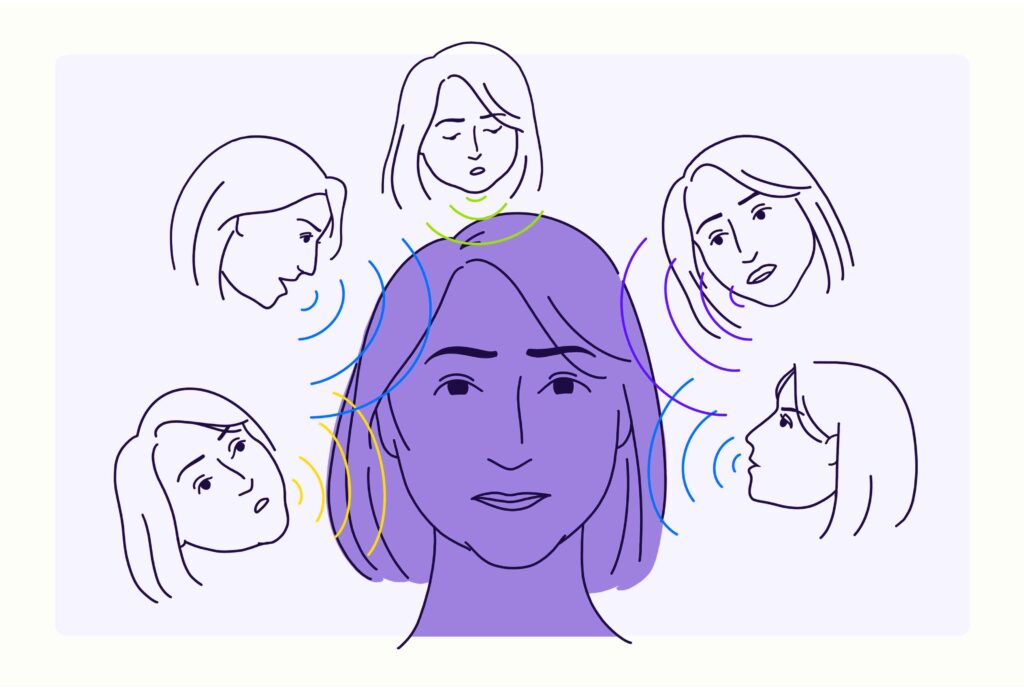
The most well-known psychotic disorder, marked by hallucinations, delusions, and cognitive difficulties.
2. Schizoaffective Disorder
A mix of psychotic symptoms with mood disorders like depression or bipolar disorder.
3. Brief Psychotic Disorder
A short-term psychotic episode, often triggered by trauma or extreme stress.
4. Substance-Induced Psychosis
Caused by drugs or alcohol use, or withdrawal from them.
5. Psychotic Disorder Due to Medical Conditions
Certain conditions like brain tumors, infections, or epilepsy can trigger psychosis.
Common Causes and Risk Factors Psychosis Disorder
- Genetics: A family history increases the risk.
- Brain Chemistry: Imbalances in dopamine and serotonin play a role.
- Trauma & Stress: Severe stress, abuse, or loss can trigger symptoms.
- Substance Abuse: Drugs like LSD, meth, or heavy alcohol use may lead to psychosis.
- Medical Issues: Neurological or autoimmune diseases can sometimes cause it.
Early Warning Signs of Psychosis Disorder
- Social withdrawal
- Decline in school or work performance
- Trouble concentrating
- Unusual thoughts or suspicions
- Lack of personal hygiene
Causes and Symptoms of Epilepsy
How Psychosis Disorder Affects Daily Life
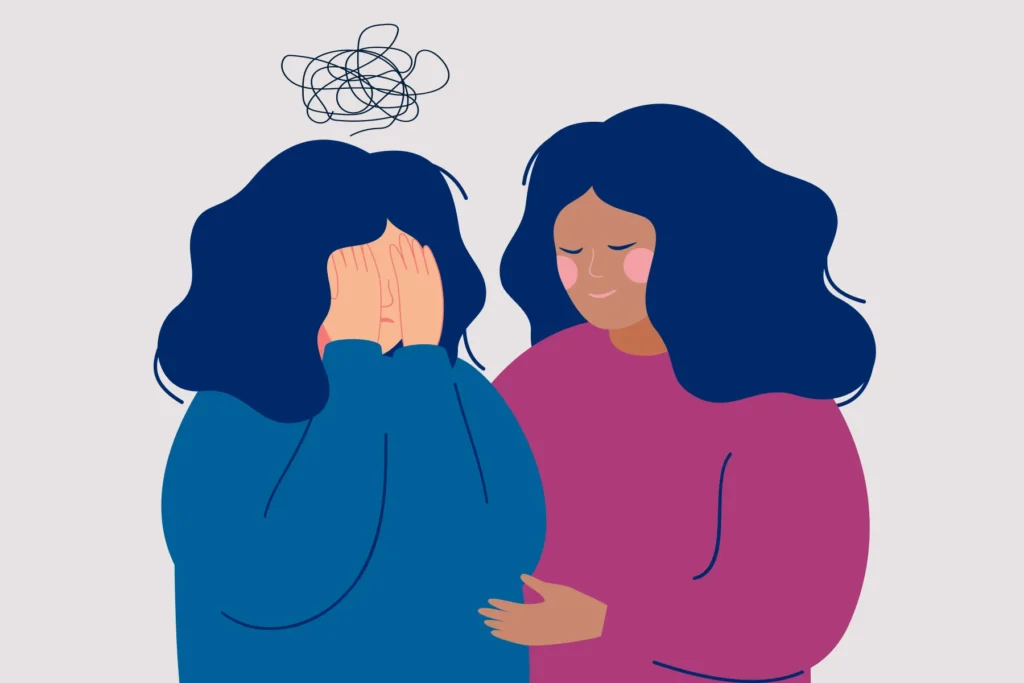
Living with psychosis disorder can feel like living in two worlds, the one everyone else sees, and the one only you experience. Relationships strain, jobs may be lost, and even basic self-care becomes difficult.
Diagnosis of Psychosis Disorder
Doctors typically use:
- Psychiatric evaluation – questions about thoughts, feelings, and behavior.
- Medical tests – brain scans or blood tests to rule out physical causes.
- Exclusion method – ruling out other conditions like dementia or bipolar disorder.
Treatment Options for Psychosis Disorder
– Medication
Antipsychotic drugs help reduce hallucinations and delusions.
– Psychotherapy
Cognitive Behavioral Therapy (CBT) helps people manage thoughts and emotions.
– Lifestyle Adjustments
Healthy diet, exercise, sleep, and avoiding drugs/alcohol improve recovery.
– Hospitalization
Sometimes necessary during severe episodes for safety and stabilization.
Role of Family and Social Support
Family understanding can make or break recovery. Education, patience, and compassion are crucial. Support groups also help individuals feel less alone.
Living with Psychosis Disorder
Recovery doesn’t always mean symptoms disappear—it often means learning to manage them. With consistent treatment, many live fulfilling lives, pursue careers, and build healthy relationships.
Myths and Misconceptions About Psychosis
- Myth: Psychosis equals violence.
Fact: Most people with psychosis are not violent. - Myth: Psychosis means “split personality.”
Fact: That’s Dissociative Identity Disorder, not psychosis. - Myth: You can’t recover.
Fact: With treatment, many lead normal lives.
Prevention and Early Intervention
Catching symptoms early makes treatment more effective. The sooner someone seeks professional help, the better the long-term outcome.
Famous People Who Lived with Psychosis Disorders
Historical figures, artists, and writers have faced psychosis yet achieved greatness. Their stories show that psychosis isn’t the end of a meaningful life, it’s just part of their journey.
Conclusion
So, what is psychosis disorder? It’s not a death sentence, nor is it something to fear. It’s a mental health condition that, with the right treatment and support, can be managed effectively. By breaking the stigma, we create space for compassion, understanding, and healing.
READ MORE ABOUT PSYCHOSIS DISORDER