Ever had a toothache so bad that eating or sleeping felt impossible? That’s often the result of tooth decay. While many think it’s just a small issue, untreated decay can become serious.
What is Tooth Decay?
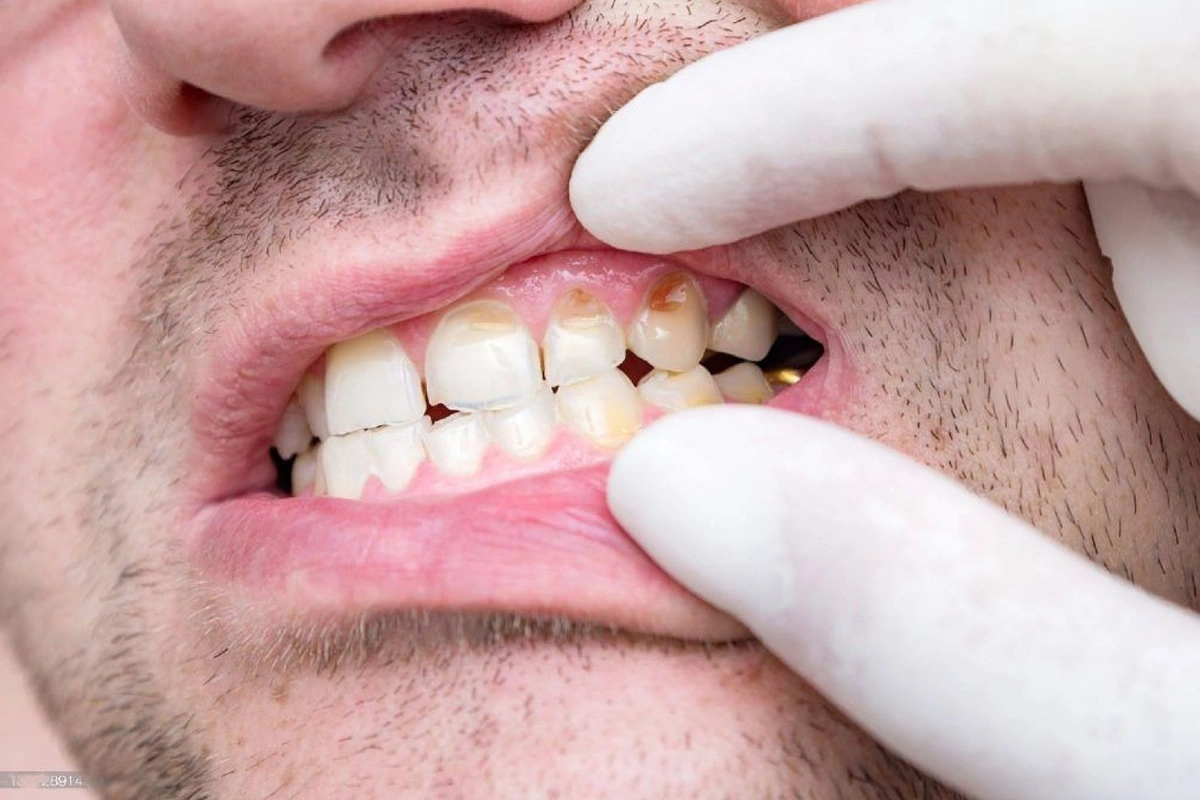
Tooth decay is the gradual damage to the surface of a tooth caused by bacteria. It starts when plaque forms on your teeth. The bacteria in plaque produce acids that slowly erode the enamel. Over time, cavities (holes in the teeth) appear.
Main Causes of Tooth Decay
- Sugar and sweet foods – Bacteria thrive on sugar, creating acid that harms enamel.
- Plaque and bacteria – Plaque is sticky and traps bacteria right on your teeth.
- Poor oral hygiene – Not brushing or flossing enough gives bacteria free access.
- Genetics – Some people are naturally more prone to cavities.
Early Signs of Tooth Decay
At first, tooth decay may not hurt. Common early symptoms include:
- White or brown spots on teeth.
- Sensitivity to hot, cold, or sweet foods.
- Occasional mild toothache.
Stages of Tooth Decay
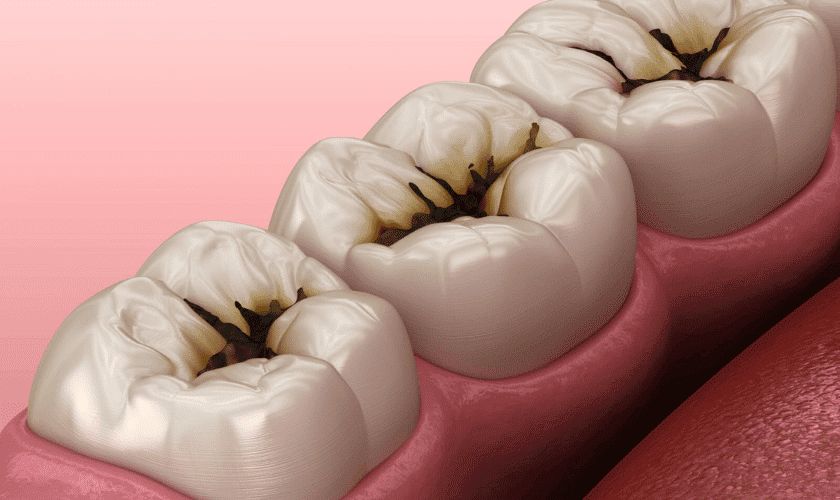
- Enamel decay – The outer surface weakens.
- Dentin decay – Bacteria spread deeper, causing pain.
- Pulp damage – The nerves inside the tooth become infected.
- Abscess – Infection spreads, sometimes causing swelling in the face.
Effects of Tooth Decay
Beyond pain, tooth decay can lead to:
- Difficulty chewing food.
- Loss of appetite.
- Expensive dental procedures or even tooth loss.
Who is Most at Risk?
- Children – Love sweets but may neglect brushing.
- Teenagers – Often drink sodas and snack frequently.
- Adults – Busy lifestyles can lead to poor oral care.
- Elderly – Weaker teeth and less saliva production increase risk.
The Role of Diet in Tooth Decay
Diet plays a huge role in dental health. Foods like candy, soda, and sticky snacks attack your enamel. On the other hand, cheese, milk, nuts, and fibrous fruits can protect and strengthen your teeth.
Oral Hygiene and Tooth Decay
The basics still matter most:
- Brush at least twice daily with fluoride toothpaste.
- Floss to clean between teeth.
- Visit your dentist every 6 months.
Oral Hygiene: Essential Tips for a Healthy and Bright Smile
Treatments for Tooth Decay
- Fillings – For small cavities.
- Root canal therapy – When decay reaches the pulp.
- Tooth extraction – For severely damaged teeth.
- Composite fillings – A modern, natural-looking option.
Prevention of Tooth Decay
Prevention is better than cure:
- Use fluoride toothpaste.
- Limit sugar intake.
- Drink plenty of water.
- Never skip nighttime brushing.
Common Myths About Tooth Decay
- “Only kids get cavities” – Adults can get them too.
- “If it doesn’t hurt, my teeth are fine” – Early decay often has no pain.
- “Brushing harder works better” – It can actually wear down enamel.
Tooth Decay and Overall Health
Tooth decay isn’t just a mouth issue. Bacteria can travel into your bloodstream, contributing to heart disease, diabetes complications, and even systemic infections.
Daily Tips to Prevent Tooth Decay
- Eat a balanced diet with less sugar.
- Choose water over soda or juice.
- Carry a small toothbrush for use after meals.
Conclusion
Tooth decay isn’t something to ignore. Left untreated, it affects more than just your teeth, it can harm your overall health. The good news? With daily care, a mindful diet, and regular dental visits, you can protect your smile for life. Healthy teeth means a healthier you.
Source: https://www.mayoclinic.org/diseases-conditions/cavities/symptoms-causes/syc-20352892