You’ve probably heard the term pneumonia before maybe from a doctor, a news story, or even a loved one who had it. But what exactly is pneumonia? Simply put, it’s an infection that inflames the air sacs in one or both lungs, making it difficult to breathe. While some cases are mild, others can be life-threatening, especially for young children, older adults, and people with weakened immune systems. What Is Pneumonia
What is Pneumonia?
Pneumonia is a lung infection that causes the tiny air sacs in the lungs, called alveoli, to fill with fluid or pus. This makes it harder for oxygen to enter the bloodstream, leading to coughing, fever, chills, and breathing difficulties.
It can range from a mild illness that clears up with rest to a severe condition requiring hospitalization.
Types of Pneumonia What Is Pneumonia
Not all pneumonia is the same. Doctors classify it based on how it’s contracted and what causes it.
1. Community-Acquired Pneumonia (CAP)
This is the most common type, contracted outside hospitals or healthcare facilities.
2. Hospital-Acquired Pneumonia (HAP)
Develops during a hospital stay. It’s often more serious because the bacteria involved may resist antibiotics.
3. Aspiration Pneumonia
Occurs when food, drink, or vomit accidentally enters the lungs instead of the stomach.
4. Ventilator-Associated Pneumonia (VAP)
Affects people using breathing machines in intensive care units.
Causes of Pneumonia
Several germs can cause pneumonia, but the most common are:
- Bacteria – Streptococcus pneumoniae is a leading cause.
- Viruses – Including flu viruses, RSV, and even COVID-19.
- Fungi – Usually affects people with weakened immune systems.

Who is Most at Risk? What Is Pneumonia
Pneumonia can affect anyone, but certain groups are more vulnerable:
- Infants and children under age 5
- Adults over age 65
- People with chronic illnesses (like asthma, diabetes, or heart disease)
- Smokers
- Individuals with weakened immune systems
Symptoms of Pneumonia What Is Pneumonia
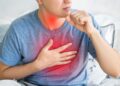
Pneumonia symptoms can vary from mild to severe. The most common include:
- Persistent cough (sometimes producing green or yellow mucus)
- Fever and chills
- Shortness of breath
- Chest pain when breathing or coughing
- Fatigue and muscle aches
- Nausea or vomiting
In older adults, confusion or sudden changes in mental awareness can also signal pneumonia.
How is Pneumonia Diagnosed? What Is Pneumonia

Doctors use several methods to confirm pneumonia:
- Physical Exam – Listening to the lungs for crackling or wheezing sounds.
- Chest X-ray – To check for lung inflammation or fluid buildup.
- Blood Tests – To identify infection.
- Sputum Tests – Analyzing mucus from coughing to detect the cause.
Treatment for Pneumonia What Is Pneumonia
The treatment depends on the type and severity:
1. Bacterial Pneumonia
- Treated with antibiotics
- Rest, fluids, and over-the-counter medicines help ease symptoms
2. Viral Pneumonia
- Usually treated with rest, fluids, and antiviral medications (in some cases)
- Antibiotics don’t work against viruses
3. Fungal Pneumonia
- Requires antifungal medications
Severe cases may require hospitalization for oxygen therapy, IV antibiotics, or breathing assistance.
Complications of Pneumonia What Is Pneumonia
If untreated or severe, pneumonia can lead to:
- Sepsis – A dangerous immune response to infection
- Lung abscesses – Pockets of pus in the lungs
- Pleural effusion – Fluid around the lungs
- Respiratory failure – When the lungs can’t supply enough oxygen
Preventing Pneumonia What Is Pneumonia

The best way to fight pneumonia is prevention. Here’s how:
- Get vaccinated – Pneumococcal and flu vaccines protect against common causes
- Practice good hygiene – Wash hands regularly
- Quit smoking – Smoking damages lung defenses
- Boost immunity – Eat healthy, exercise, and get enough sleep
Living with and Recovering from Pneumonia
Recovery times vary depending on the severity and overall health of the patient. Mild cases may improve in 1 to 3 weeks, while severe pneumonia can take months to fully recover from. Following your doctor’s advice, taking prescribed medications, and resting are key to a safe recovery.
When to See a Doctor
Seek medical help if you experience:
- Persistent high fever
- Difficulty breathing
- Chest pain
- Confusion or severe fatigue
Early diagnosis and treatment can prevent serious complications.
Conclusion
So, what is pneumonia? It’s more than just a bad chest infection, it’s a potentially dangerous lung condition that requires attention. While anyone can get it, prevention through vaccines, good hygiene, and healthy habits makes a big difference. If you suspect pneumonia, don’t wait, getting the right treatment quickly can save lives.
Read More: Health Benefits of Drinking Matcha