Infertility is a challenge faced by millions of couples worldwide, but modern medicine offers hope. One of the most well-known solutions is IVF, a procedure that has helped countless people achieve their dream of parenthood. IVF Treatment
Understanding IVF IVF Treatment
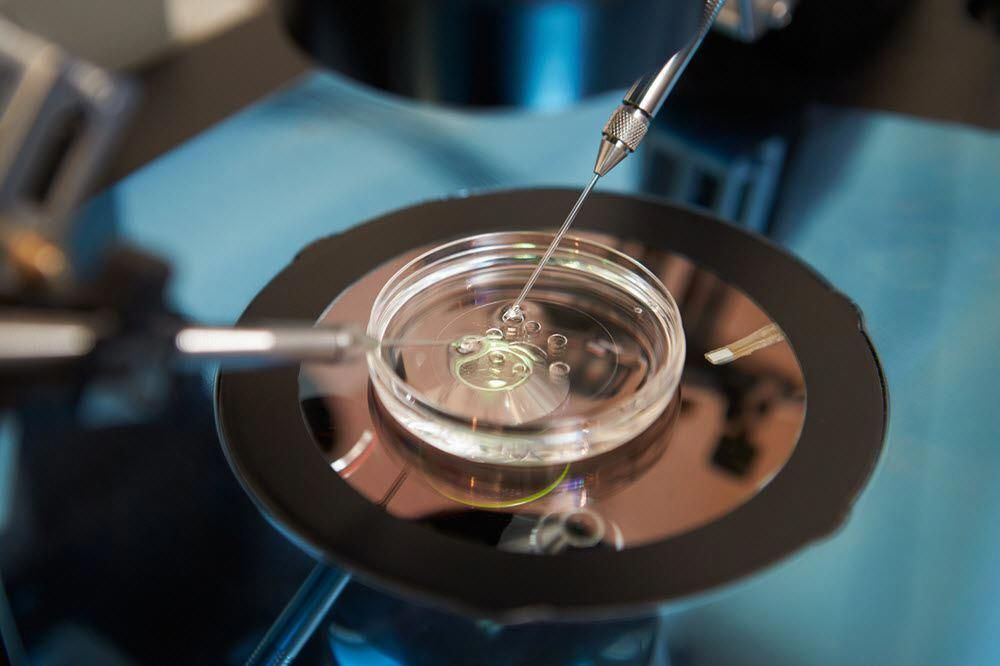
IVF stands for In Vitro Fertilization. “In vitro” means “in the lab,” which describes the process: eggs and sperm are combined outside the body in a laboratory dish, and once an embryo develops, it’s transferred to the uterus to hopefully result in pregnancy.
Why IVF Is Recommended IVF Treatment
Doctors typically suggest IVF when other fertility treatments, like medication or intrauterine insemination (IUI), haven’t worked. It’s also a preferred option for certain conditions such as:
- Blocked or damaged fallopian tubes
- Severe male infertility
- Ovulation disorders
- Unexplained infertility
Who Can Benefit from IVF IVF Treatment
IVF isn’t limited to couples struggling with fertility issues. It’s also used by:
- Women with blocked or absent fallopian tubes
- Men with low sperm count or poor sperm mobility
- Couples with no clear cause of infertility
- Single parents and same-sex couples who wish to have biological children
The IVF Process Step by Step IVF Treatment
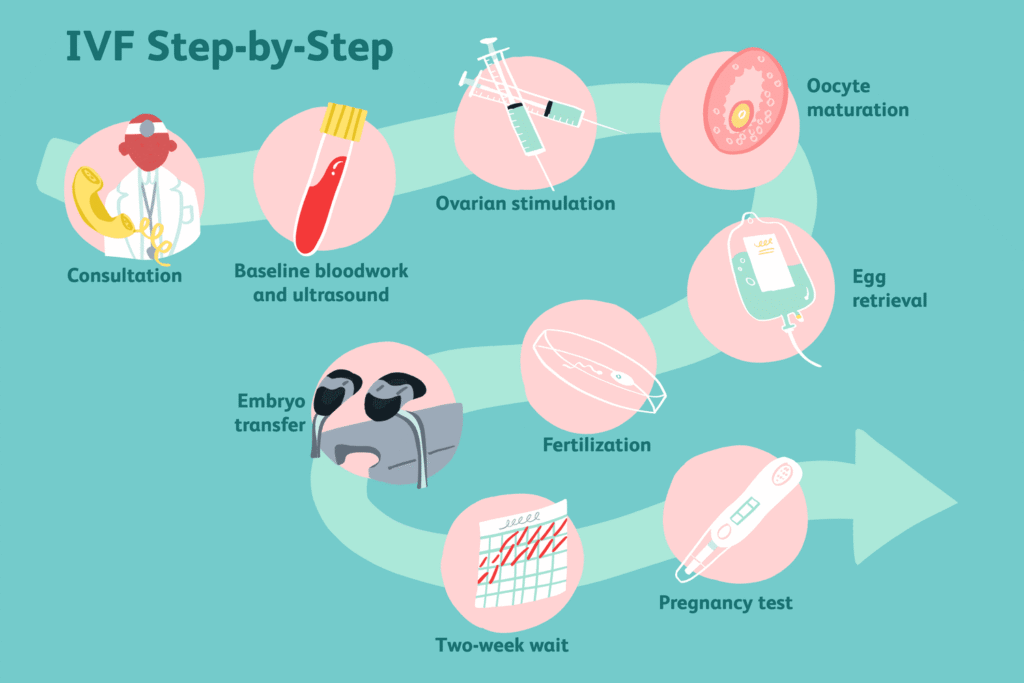
The IVF journey typically follows these stages:
- Ovarian stimulation – hormones are used to produce multiple eggs.
- Egg retrieval – eggs are collected from the ovaries.
- Fertilization – eggs and sperm are combined in a lab.
- Embryo development – embryos are observed for growth.
- Embryo transfer – healthy embryos are placed into the uterus.
- Pregnancy test – after about two weeks, results confirm success or not.
Ovarian Stimulation Explained IVF Treatment
The first step involves taking fertility medications that encourage the ovaries to produce multiple eggs. Doctors carefully monitor progress with blood tests and ultrasounds to ensure the eggs mature properly.
Egg Retrieval Procedure IVF Treatment
When the eggs are ready, a minor surgical procedure retrieves them. It’s usually done under sedation, so there’s little to no pain. Recovery is quick—most women resume normal activities within a day.
Fertilization and Embryo Development
Once eggs are collected, they are combined with sperm in the lab. There are two methods:
- Conventional IVF – eggs and sperm are mixed and left to fertilize naturally.
- ICSI (Intracytoplasmic Sperm Injection) – a single sperm is injected directly into the egg.
Embryo Transfer Process
The best embryos are selected for transfer into the uterus. This procedure is simple, painless, and doesn’t require anesthesia. Usually, one or two embryos are transferred to reduce the chance of multiple pregnancies.
The Two-Week Wait
After the transfer, there’s a waiting period before taking a pregnancy test. This stage is often the most emotionally difficult for couples. Patience, rest, and emotional support are essential.
Success Rates of IVF
Success rates depend on age, health, and fertility issues. On average:
- Women under 35 have about a 40% chance per cycle.
- Women over 40 may have less than a 10% chance.
Possible Risks and Side Effects
IVF is generally safe, but like all medical treatments, it carries risks:
- Mild bloating, cramping, and mood swings from medications
- Multiple pregnancies if more than one embryo implants
- Rare cases of Ovarian Hyperstimulation Syndrome (OHSS)
Emotional and Financial Considerations
IVF can be emotionally and financially draining. The costs vary widely by country and clinic, often reaching thousands of dollars per cycle. Counseling and support groups can help couples navigate the stress and uncertainty.
Lifestyle Tips to Improve IVF Success
- Nutrition: Eat a balanced diet rich in fruits, vegetables, and lean protein.
- Exercise: Stay active but avoid excessive strenuous workouts.
- Avoid harmful habits: Quit smoking and reduce alcohol.
- Manage stress: Yoga, meditation, and relaxation techniques can help.
Alternatives and Complementary Options
Not everyone is suited for IVF. Alternatives include:
- IUI (Intrauterine Insemination)
- Egg or sperm donation
- Surrogacy
Some couples also explore acupuncture, massage, and holistic therapies alongside medical treatment.
Gestational Surrogacy: What Is It, Process, Risks & Benefits
Conclusion
IVF has changed countless lives, offering hope to those who struggle with infertility. While the process can be physically, emotionally, and financially demanding, it also brings the possibility of building a family. By knowing what IVF treatment is and what to expect, couples can make informed decisions and feel more prepared for the journey ahead.
Read More : 5 Benefits Of Shea Butter For Your Skin