Infertility affects millions of couples worldwide and can be an emotionally challenging journey. Thankfully, advancements in medical science have brought a wide range of solutions. From medications to assisted reproductive technologies, there are multiple paths to parenthood. In this article, we’ll explore the top infertility treatments, how they work, and what to expect.
Understanding Infertility Infertility Treatments
Infertility is defined as the inability to conceive after 12 months of regular, unprotected sex (or 6 months for women over 35). Causes vary and can be male-related, female-related, or unexplained.
- Female causes: ovulation disorders, blocked fallopian tubes, endometriosis.
- Male causes: low sperm count, poor motility, structural issues.

When to Seek Medical Help Infertility Treatments
It’s time to consult a doctor if:
- You’ve been trying for over a year (or six months if over 35).
- You have irregular or absent menstrual cycles.
- There’s a known medical condition affecting fertility.
Top Infertility Treatments Overview
Fertility treatments fall into three broad categories:
- Medications: to stimulate ovulation.
- Procedures: like IUI or IVF.
- Surgical interventions: to correct structural problems.
Fertility Medications Infertility Treatments

Medications are often the first step in treatment.
- Clomiphene citrate: stimulates ovulation.
- Gonadotropins: hormone injections that trigger egg release.
- Metformin: sometimes used for women with PCOS.
Pros: Non-invasive and relatively affordable.
Cons: May cause side effects like mood swings or multiple pregnancies.
Intrauterine Insemination (IUI) Infertility Treatments
IUI involves placing washed sperm directly into the uterus around ovulation.
- Best for: mild male infertility, cervical issues, unexplained infertility.
- Success rate: Around 10–20% per cycle.
It’s less invasive than IVF but may require multiple attempts.
IUI (Intrauterine Insemination): What It Is & What To Expect
In Vitro Fertilization (IVF) Infertility Treatments
IVF is one of the most well-known treatments.
Process:
- Ovarian stimulation
- Egg retrieval
- Fertilization in the lab
- Embryo transfer
- Pregnancy testing
It’s recommended for severe infertility issues, blocked tubes, or failed simpler treatments. Success depends on age and health, with higher rates in women under 35.
Intracytoplasmic Sperm Injection (ICSI) Infertility Treatments
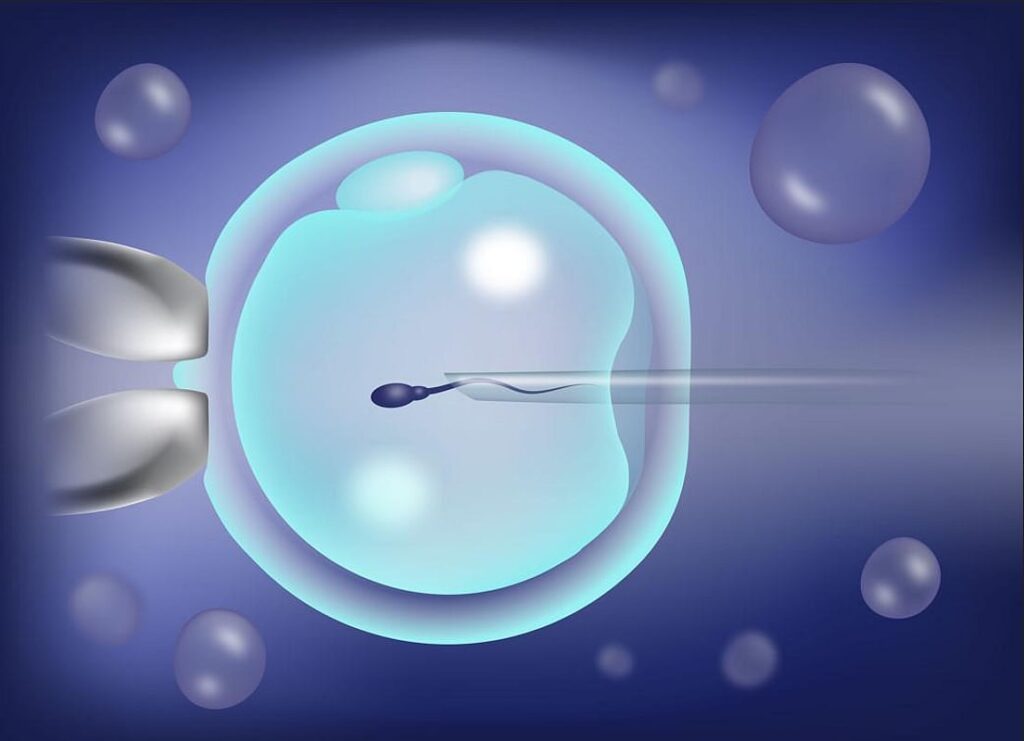
ICSI is a specialized form of IVF where a single sperm is injected directly into an egg.
- Best for: severe male infertility, low sperm count, or previous IVF failure.
- It has significantly improved outcomes for couples with male-related infertility.
Egg Donation and Sperm Donation
Donor eggs or sperm provide options for individuals with poor egg quality, low sperm count, or genetic concerns. Donors are carefully screened, and the process follows strict medical and legal guidelines.
Surrogacy
When carrying a pregnancy isn’t possible, surrogacy becomes an option.
- Traditional surrogacy: the surrogate’s egg is used.
- Gestational surrogacy: embryos from intended parents (or donors) are implanted.
Surgical Treatments for Infertility
Sometimes surgery can resolve structural problems:
- Tubal surgery: to open blocked fallopian tubes.
- Fibroid removal: to improve chances of implantation.
- Varicocele repair: in men to boost sperm quality.
Lifestyle and Natural Approaches
While medical treatments are powerful, lifestyle changes also matter:
- Maintain a healthy weight.
- Eat a nutrient-rich diet.
- Limit alcohol and quit smoking.
- Manage stress through relaxation techniques.
Complementary Therapies
Some couples explore therapies alongside medical treatments:
- Acupuncture: believed to improve blood flow and reduce stress.
- Yoga and meditation: help manage emotional challenges.
Emotional and Financial Challenges
Infertility treatments can be stressful and expensive. Couples often face:
- Emotional rollercoasters with each cycle.
- Financial strain from repeated treatments.
- The need for support from friends, family, or counseling.
How to Choose the Right Treatment
The best treatment depends on:
- Age and overall health.
- Cause of infertility.
- Budget and emotional readiness.
A fertility specialist can guide couples toward the most suitable option.
Conclusion
Infertility can feel overwhelming, but modern medicine provides many solutions. From fertility drugs and IUI to advanced procedures like IVF and ICSI, there’s hope for couples and individuals seeking parenthood. Choosing the right treatment depends on personal circumstances, but one thing is clear, science continues to bring light to the path of building families.
Read More : Benefits of Niacinamide for Glowing, Healthy Skin