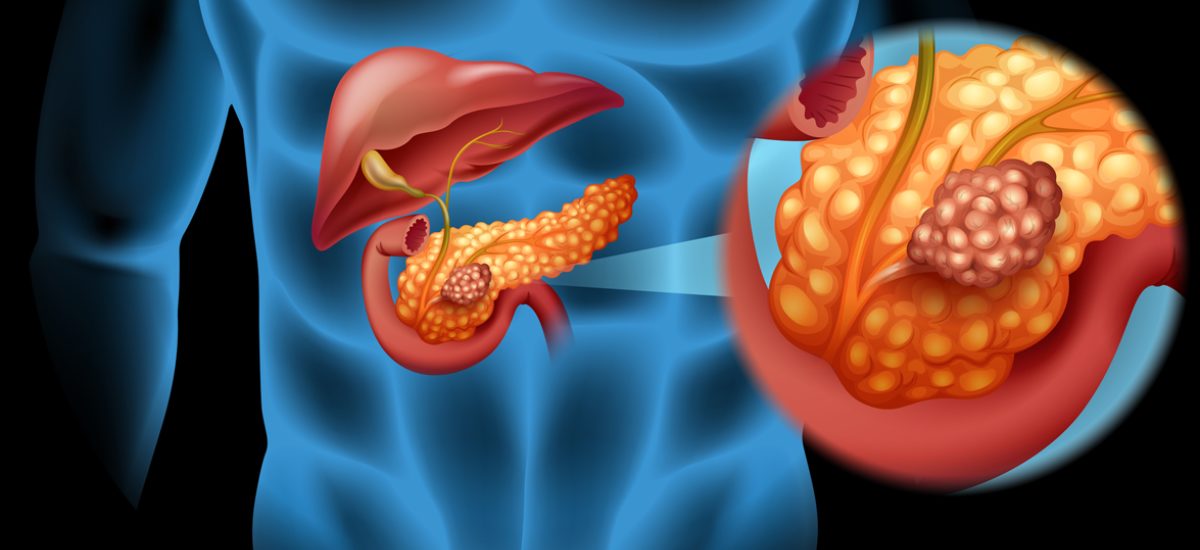
Pancreatic cancer is one of the deadliest types of cancer, not just because of its aggressiveness, but also because it often goes unnoticed until it has advanced. Recognizing the symptoms early can make a world of difference.
What is Pancreatic Cancer?
The pancreas is a small but powerful organ located behind your stomach. It helps regulate blood sugar and aids in digestion. When cancer cells grow inside the pancreas, they interfere with these functions, often leading to serious symptoms.
Why Early Detection is Difficult
Pancreatic cancer is known as a “silent disease” because it often doesn’t cause noticeable symptoms in its early stages. By the time signs appear, the cancer may already be advanced. Plus, many early symptoms mimic common digestive problems, making it easy to overlook.
General Symptoms of Pancreatic Cancer

Unexplained Weight Loss
If you’re losing weight without trying, it may be a red flag.
Fatigue
Constant tiredness or weakness may indicate that your body is fighting something serious.
Digestive Changes
From bloating to loss of appetite, pancreatic cancer often disrupts normal digestion.
Digestive-Related Symptoms
- Loss of appetite: A reduced desire to eat is very common.
- Nausea and vomiting: Tumors may block parts of the digestive system.
- Indigestion and bloating: Common but easily confused with minor stomach issues.
Jaundice: A Key Symptom

One of the most noticeable signs is jaundice. This happens when the cancer blocks the bile duct.
- Yellow skin and eyes: A clear indicator something is wrong.
- Dark urine: Caused by excess bilirubin in the body.
- Pale stools: Another signal of blocked bile flow.
Abdominal and Back Pain
Many patients report pain in the upper abdomen that radiates to the back. This happens when the tumor presses on nearby nerves or organs.
Changes in Stool and Bowel Habits
- Greasy or floating stools: Caused by poor digestion of fats.
- Diarrhea or constipation: Tumors may disrupt normal bowel movements.
New-Onset Diabetes as a Symptom
Pancreatic cancer can affect how insulin is made, sometimes causing diabetes. If you suddenly develop diabetes without other risk factors, it could be a sign.
Warning signs include:
- Increased thirst
- Frequent urination
- Sudden changes in blood sugar levels
Blood Clots and Pancreatic Cancer
Unexplained blood clots may point to pancreatic cancer. This condition is known as Trousseau’s syndrome. Common clot locations include:
- Deep veins in the legs (DVT)
- Lungs (pulmonary embolism)
Advanced Symptoms of Pancreatic Cancer
In later stages, symptoms may become more severe, including:
- Severe abdominal and back pain
- Extreme weakness and fatigue
- Signs of organ failure, such as confusion or fluid buildup
When to See a Doctor
Don’t ignore persistent symptoms such as jaundice, unexplained weight loss, or ongoing abdominal pain. The earlier you seek medical attention, the higher the chances of catching the cancer at a treatable stage.
Risk Factors That Worsen Symptoms
Certain lifestyle and genetic factors make pancreatic cancer more likely:
- Smoking
- Heavy alcohol use
- Chronic pancreatitis
- Family history of pancreatic cancer
How Symptoms Affect Daily Life
Living with pancreatic cancer symptoms can feel like fighting two battles, against the disease and against exhaustion. Eating may become difficult, energy levels drop, and the emotional toll can be overwhelming.
Conclusion
The symptoms of pancreatic cancer may start small, but they’re worth paying attention to. Unexplained weight loss, jaundice, digestive issues, or new-onset diabetes shouldn’t be ignored. Spotting the signs early could save a life, so always listen to what your body is trying to tell you.
READ MORE ABOUT PANCREATIC CANCER