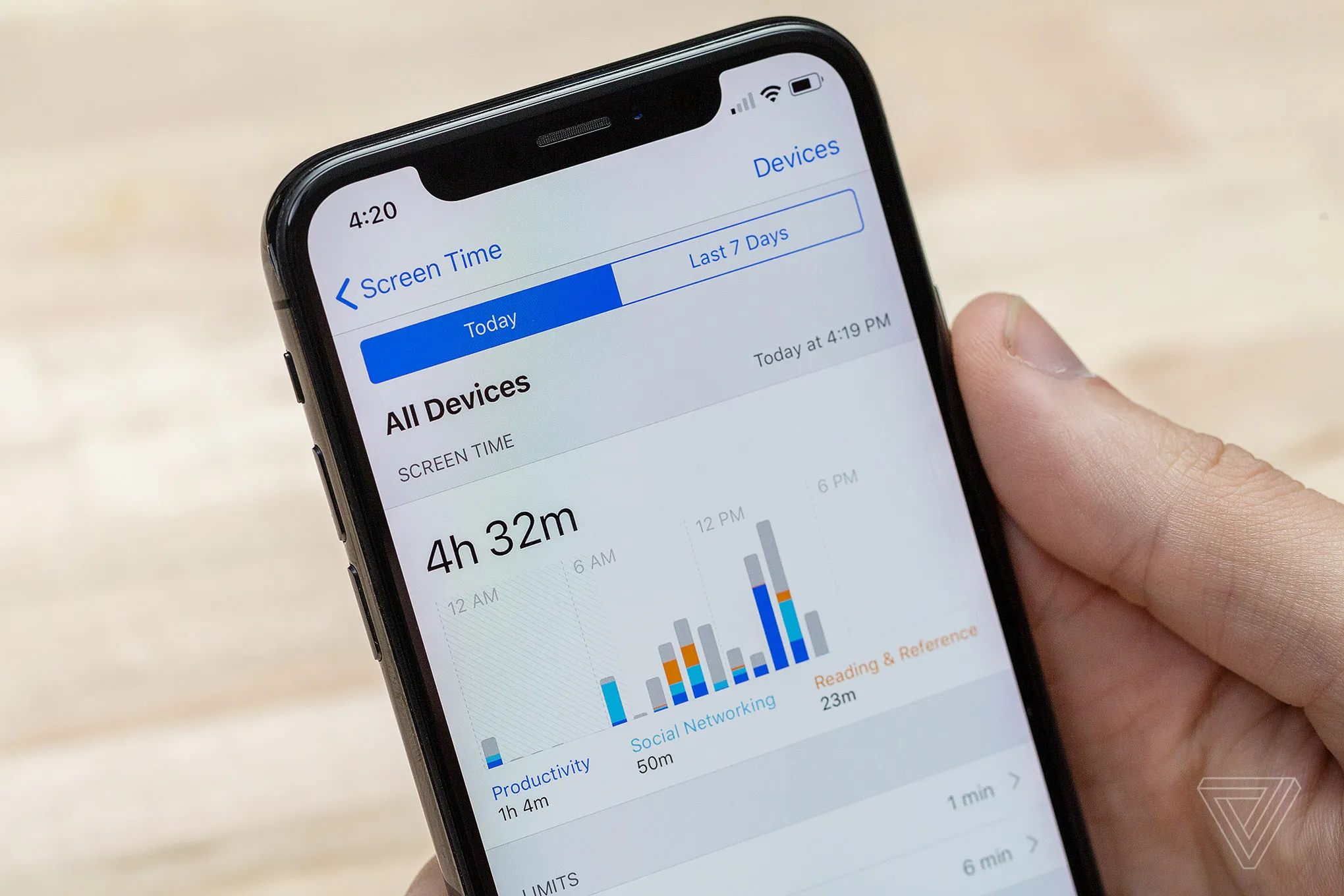
We live in a digital-first world from work emails and online meetings to Netflix binges and scrolling through social media. But at what point does “just checking” your phone or laptop become excessive? Screen time refers to the total amount of time spent looking at digital screens, including phones, computers, TVs, and tablets. While technology brings countless benefits, too much screen time can harm your physical, mental, and social well-being.
The Average Screen Time Today
Global statistics and trends
Studies show that the average adult spends 6–7 hours a day in front of a screen, and for teenagers, the number can be even higher. During the COVID-19 pandemic, global screen time shot up due to remote work, online learning, and limited outdoor activities.
How screen habits have changed over the years
A decade ago, screen time was mainly from TV and computers. Today, smartphones dominate, making it easier and more tempting.

Types of Screen Time
Productive vs. recreational screen time
Not all screen time is bad. Working, studying, or attending online classes counts as productive screen time. Watching videos or gaming for entertainment is recreational which can still be healthy in moderation.
Active vs. passive screen use
Active screen time involves learning, interacting, or creating content. Passive screen time is when you’re consuming content without engagement like endless social media scrolling.
Effects of Too Much Screen Time
Physical health impacts
- Eye strain and headaches from prolonged focus on screens
- Neck and back pain caused by poor posture
- Increased risk of obesity due to sedentary habits
Mental health consequences
Spending too much time online can lead to anxiety, depression, and reduced attention span.
Social and behavioral effects
Excessive screen time can reduce face-to-face interactions, weaken social skills, and create dependency on digital devices for entertainment.
Top 10 Ways to Protect Yourself from Blue Light Exposure
Screen Time Guidelines by Age

Recommendations for children
The American Academy of Pediatrics recommends:
- Under 2 years: No screen time, except for video calls
- Ages 2–5: 1 hour a day of high-quality content
- Ages 6+: Consistent limits and balance with offline activities
Guidelines for teenagers
Limit recreational screen time to about 2 hours per day while encouraging physical and social activities.
Healthy limits for adults
Aim for no more than 8 hours total (including work) and reduce recreational screen time to about 2 hours daily.
Signs You Might Be Overdoing Screen Time
Physical warning signs
- Dry eyes or blurred vision
- Stiff neck and shoulders
- Frequent headaches
Emotional and mental warning signs
- Feeling restless without your phone
- Trouble sleeping due to late-night scrolling
- Difficulty focusing on tasks offline
How to Reduce Excessive Screen Time
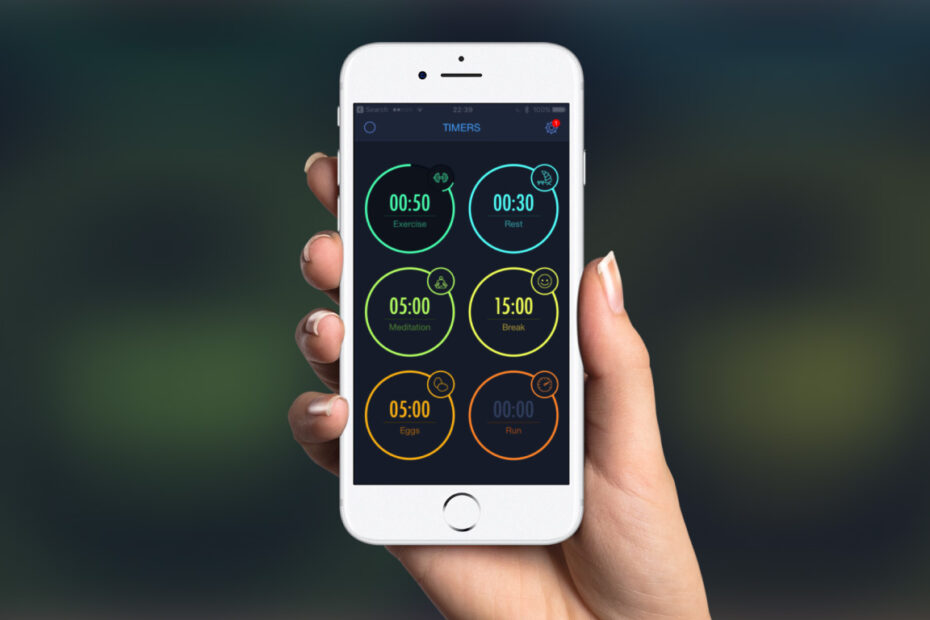
1. Setting daily limits
Use app timers or device settings to monitor and limit usage.
2. Taking regular breaks
Follow the 20-20-20 rule: every 20 minutes, look at something 20 feet away for 20 seconds.
3. Creating “no-screen” zones
Ban devices from bedrooms and dining tables to encourage real-life connection.
Healthy Alternatives to Screen Time

1. Physical activities
Go for a walk, try a workout class, or pick up a sport.
2. Offline hobbies and socializing
Read a book, cook a new recipe, or spend time with friends and family without devices.
3. Mindfulness and relaxation techniques
Meditation, deep breathing, and yoga can reduce stress without needing a screen.
Balancing Screen Time and Real Life
Using technology mindfully
Use screens to learn, create, or connect, not just out of habit.
The importance of digital detoxes
Taking a full day or even a few hours away from screens can help reset your habits and improve focus.
Conclusion
Screens are part of modern life, but balance is essential. Too much screen time can affect your body, mind, and relationships. By setting boundaries, staying active, and practicing mindful tech use, you can enjoy the benefits of the digital world without letting it take over your life.
Read More About Screen Time