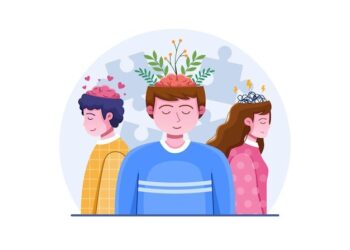
Mental health in children and teens is not just about “feeling happy”. It’s about emotional well-being, resilience, and the ability to cope with life’s challenges. These early years shape a person’s mental framework for life. When mental health issues arise during this stage, they can impact everything from academic performance to friendships and family life. Mental Health Disorders
Why Mental Health Matters in Early Years
The brain is still developing in childhood and adolescence, making this period a critical window for emotional growth. A healthy mental state during these years often leads to better coping strategies and stronger self-esteem later in life.
The Growing Concern Among Parents and Educators
With rising reports of anxiety, depression, and behavioral issues, parents and educators are becoming more vigilant. Social media pressures, academic expectations, and global events can amplify stress for today’s youth.
Common Mental Health Disorders in Children and Teens
1. Anxiety Disorders
Anxiety in young people often goes beyond typical nervousness. It may appear as constant worry, panic attacks, or physical symptoms like headaches and stomach aches. Social anxiety, generalized anxiety disorder, and phobias are among the most common.
2. Depression
More than occasional sadness, depression can affect a teen’s motivation, energy levels, and overall interest in life. Persistent feelings of hopelessness and withdrawal from activities are warning signs.
3. Attention Deficit Hyperactivity Disorder (ADHD)
Children with ADHD may struggle to focus, control impulses, or sit still. It’s not simply “bad behavior”, ADHD affects the brain’s executive functions.
4. Autism Spectrum Disorder (ASD)
ASD affects communication, social skills, and behavior. Early detection and tailored support can significantly improve outcomes.
5. Eating Disorders
Anorexia, bulimia, and binge-eating disorder are increasingly seen in younger age groups, often fueled by body image concerns and societal pressures.
6. Conduct and Oppositional Defiant Disorders
These involve persistent patterns of defiance, hostility, and rule-breaking. While often misunderstood as “discipline problems,” these disorders require professional guidance.
Causes and Risk Factors Mental Health Disorders

– Biological and Genetic Factors
A family history of mental illness can increase risk, as can chemical imbalances in the brain.
– Environmental Influences
Stressful home environments, poverty, or exposure to violence can contribute significantly to mental health issues.
– Social Pressures and Peer Influence
Bullying, peer rejection, or the pressure to fit in can trigger emotional distress.
– Trauma and Adverse Childhood Experiences
Abuse, neglect, or sudden loss can leave deep emotional scars, affecting mental health for years.
Signs and Symptoms to Watch Out For Mental Health Disorders
– Emotional Symptoms
Persistent sadness, irritability, or extreme mood swings can signal underlying problems.
– Behavioral Changes
Sudden drop in grades, isolation from friends, or aggressive behavior can be red flags.
– Academic and Social Impact
Children struggling mentally may find it hard to concentrate, keep up in school, or maintain healthy relationships.
Diagnosis and Early Intervention
Importance of Early Detection
Catching symptoms early increases the chances of successful treatment. Waiting too long can allow problems to worsen.
Role of Pediatricians, Psychologists, and Schools
Professionals can use screening tools, observations, and interviews to make accurate diagnoses. Schools often play a key role in spotting early signs.
Mengurus Emosi: Kunci Kesejahteraan Mental & Fizikal
Treatment Options
Therapy and Counseling
Cognitive Behavioral Therapy (CBT), play therapy, and family counseling are effective tools for many young people.
Medication
For certain disorders, medication can help manage symptoms, though it’s usually combined with therapy.
Lifestyle Changes and Support Networks
Encouraging physical activity, healthy eating, and regular sleep can make a big difference. Support groups help kids feel less alone.
The Role of Parents and Caregivers
Communication and Support at Home
Keeping an open, judgment-free line of communication helps children feel safe to share their feelings.
Creating a Safe and Understanding Environment
A stable, loving home can be the strongest shield against mental health struggles.
How Schools Can Help
Mental Health Education
Educating students about emotions and coping skills helps reduce stigma and promotes empathy.
Support Services and Accommodations
School counselors, special education plans, and peer mentoring can make a huge impact.
Conclusion
Nowadays, mental health disorders in children and teens are not rare, they’re real, common, and treatable. The earlier we recognize and address them, the better the chances for a brighter, healthier future. Supporting young people’s emotional well-being is an investment not just in their future, but in the future of society as a whole.
Source: https://www.who.int/news-room/fact-sheets/detail/adolescent-mental-health