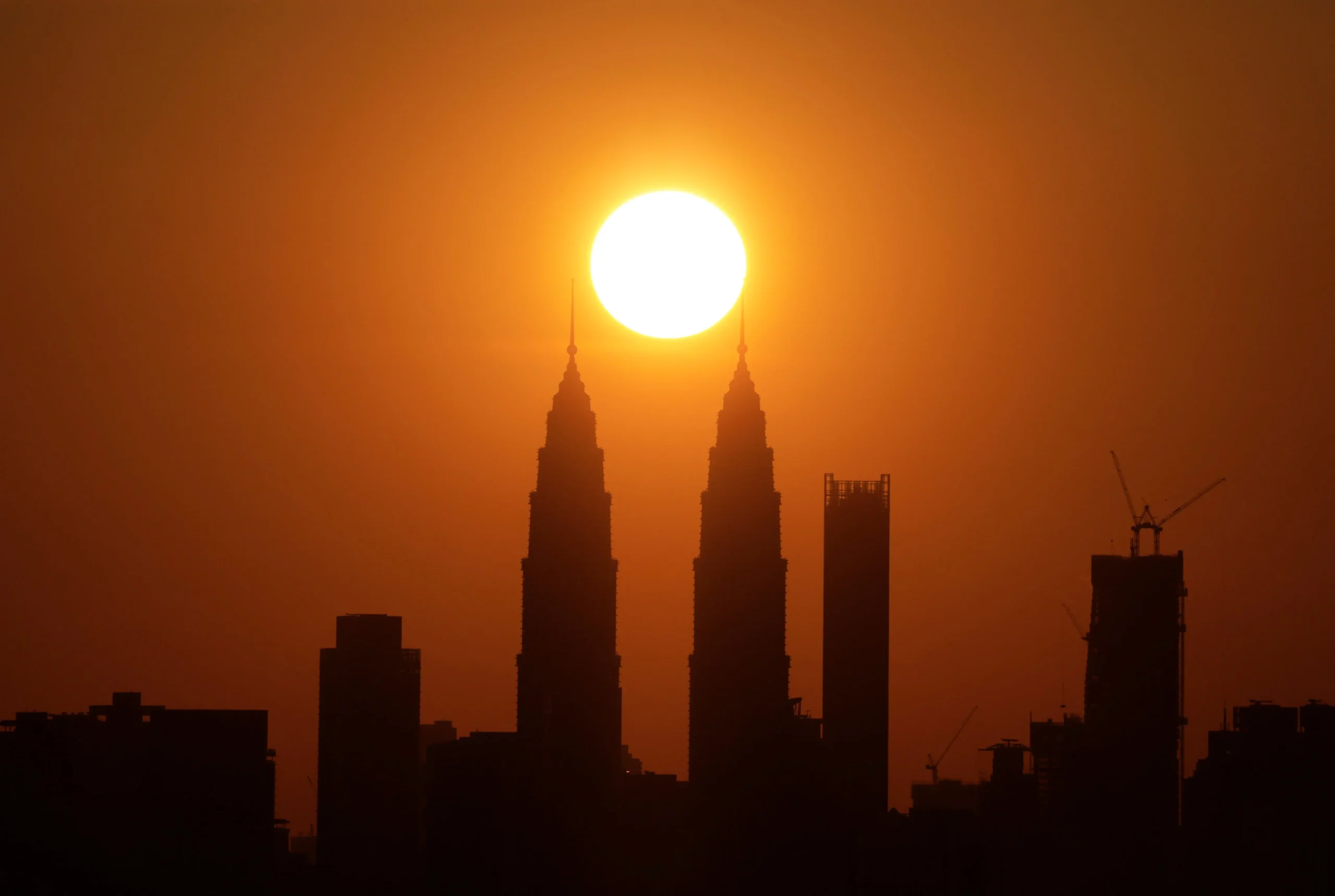
Heatwaves are no longer rare events, they’re becoming more frequent and intense due to climate change. While many people love warm weather, extreme heat can be dangerous and even life-threatening if we don’t take precautions. Knowing how to stay safe and healthy during a heatwave is essential for protecting yourself, your loved ones, and your community.
Understanding Heatwave
A heatwave is generally defined as a prolonged period of excessively hot weather, often accompanied by high humidity. The exact temperature threshold varies by region, but the danger is universal: extreme heat strains the body, disrupts daily life, and can overwhelm healthcare systems. Climate change is making these events more common and severe.
The Health Risks of Heatwave
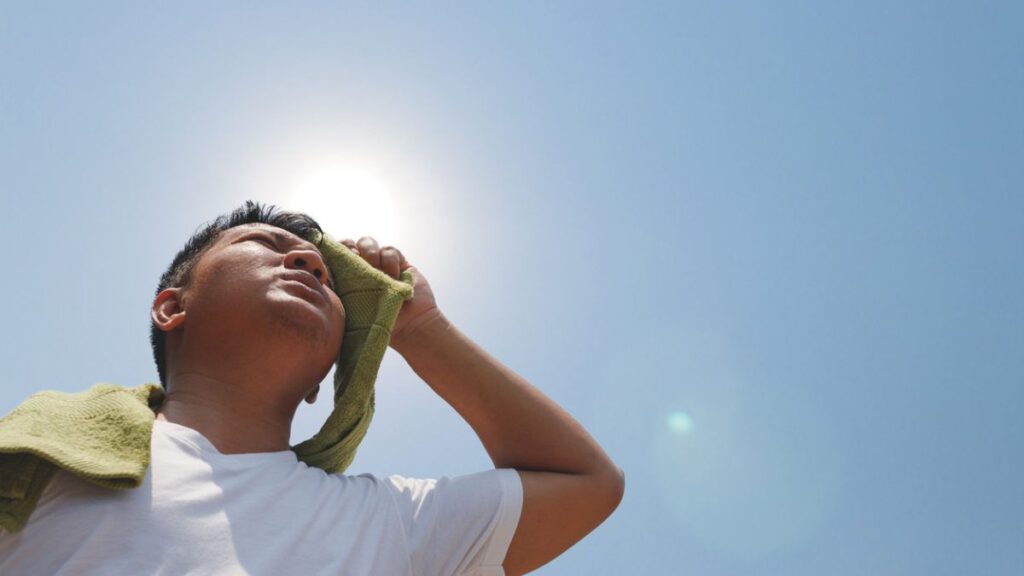
- Heat exhaustion – fatigue, nausea, heavy sweating.
- Heatstroke – a medical emergency with high fever, confusion, and loss of consciousness.
- Dehydration – caused by losing fluids faster than they’re replaced.
- Worsening conditions – heart disease, respiratory problems, and diabetes can all be aggravated.
Who Is Most at Risk During a Heatwave
- Elderly adults – reduced ability to regulate body temperature.
- Infants and children – less efficient at cooling down.
- Outdoor workers – prolonged sun exposure.
- People with chronic illnesses – particularly cardiovascular and respiratory conditions.
Recognizing the Symptoms of Heat-Related Illness
Early signs: headache, dizziness, thirst, muscle cramps, irritability.
Severe symptoms: confusion, fainting, rapid pulse, high body temperature. If someone shows these signs, seek medical help immediately.
Practical Tips to Stay Safe and Cool
- Stay indoors during the hottest hours (usually 11 AM to 4 PM).
- Use fans and air conditioning where possible.
- Keep curtains, blinds, or shutters closed to block out sunlight.
- Take cool showers or baths to lower body temperature.
Hydration: Your First Line of Defense
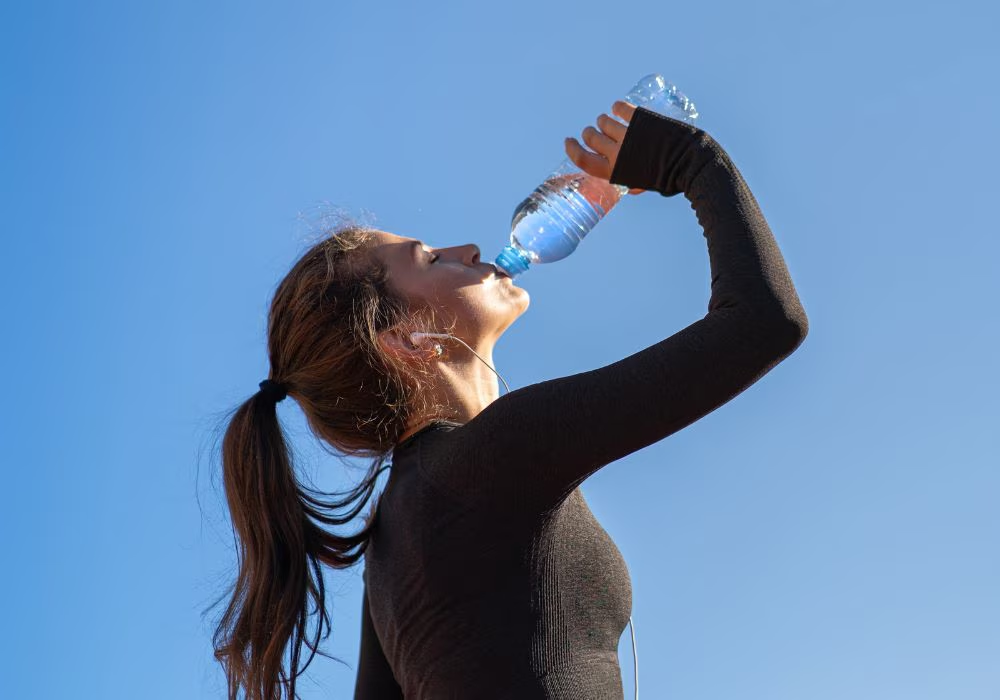
Water is the simplest yet most effective way to beat the heat.
- Drink frequently, even if you’re not thirsty.
- Eat hydrating foods like watermelon, cucumber, and oranges.
- Avoid alcohol and caffeine, which can dehydrate you.
Clothing Choices in Hot Weather
What you wear can make a big difference.
- Opt for light-colored, loose-fitting clothes made from cotton or linen.
- Use hats and sunglasses for outdoor protection.
- Apply sunscreen to prevent burns.
Nutrition During a Heatwave
Your body digests food differently in hot weather.
- Choose light meals such as salads, fruits, and vegetables.
- Avoid heavy, spicy, or fried foods that can raise body temperature.
Protecting Your Home From Heat
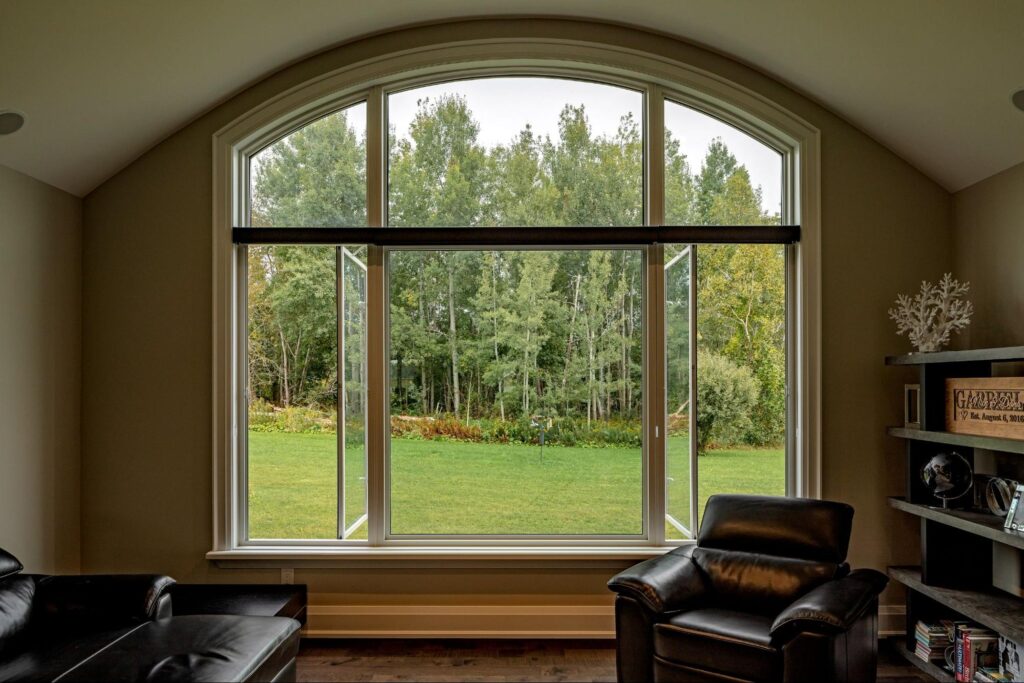
Simple adjustments help keep your home cooler:
- Ventilate during the cooler hours (early morning or late evening).
- Use fans strategically to circulate air.
- Place damp cloths or bowls of ice near fans for a cooling effect.
Outdoor Safety During a Heatwave
If you must go outside:
- Plan activities for early morning or evening.
- Avoid heavy exercise during peak heat.
- Seek shade and rest frequently.
Caring for Vulnerable Groups
- Elderly neighbors: check in daily to ensure they’re hydrated and cool.
- Children: never leave them in parked cars, even for a few minutes.
- Pets: provide fresh water and shade; avoid walking them on hot pavement.
Emergency Situations
If someone has signs of heatstroke:
- Call emergency services immediately.
- Move them to a cooler place.
- Cool them down with wet cloths, fans, or ice packs.
- Do not give fluids if they’re unconscious.
Long-Term Strategies for Coping With Heatwaves
- Improve home insulation and ventilation.
- Create community cooling centers.
- Educate local communities on heat safety.
Conclusion
Heatwaves are more than just uncomfortable, they’re serious health hazards. The key to safety lies in preparation, awareness, and simple daily habits like hydration, staying cool, and looking out for vulnerable people. By taking proactive steps, you can protect yourself and your loved ones during extreme heat events.
Read More : Health Benefits of Drinking Matcha
Source: https://www.betterhealth.vic.gov.au/health/healthyliving/how-to-cope-and-stay-safe-in-extreme-heat