When most people think about massage, they picture luxury spas, soothing music, and a bit of “me time.” But regular body massage goes far beyond pampering. It’s actually a powerful health booster for both your body and mind. From easing muscle tension to lowering stress, the amazing health benefits of regular body massage are now backed by science.
What is Massage Therapy? Body Massage
Massage therapy is the practice of kneading, rubbing, or pressing soft tissues like muscles and tendons to promote relaxation, healing, and overall wellness. While it’s been around for thousands of years, modern massage combines traditional techniques with scientific understanding.
Common Types of Massage Body Massage
- Swedish massage: Gentle, great for relaxation.
- Deep tissue massage: Targets deep muscle layers to relieve chronic tension.
- Sports massage: Designed for athletes to recover and prevent injuries.
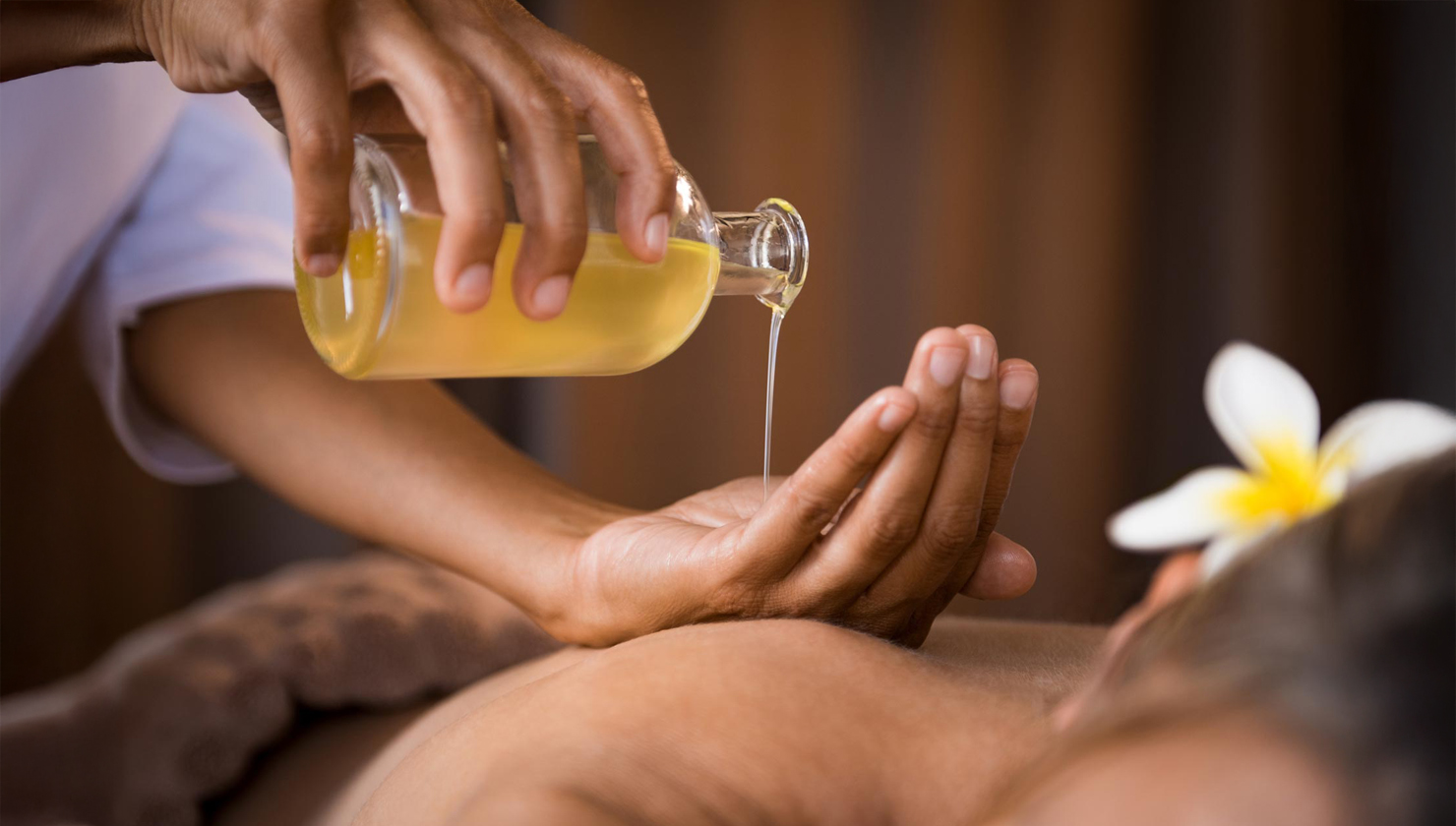
- Aromatherapy massage: Uses essential oils to enhance relaxation and mood.
The Science Behind Massage Body Massage
Massage works by manipulating soft tissues, which improves blood flow, stimulates the nervous system, and relaxes tight muscles. It also reduces cortisol (the stress hormone) while boosting serotonin and dopamine, the “feel-good” brain chemicals. This is why massage benefits both your body and mental state.
Physical Health Benefits of Regular Body Massage
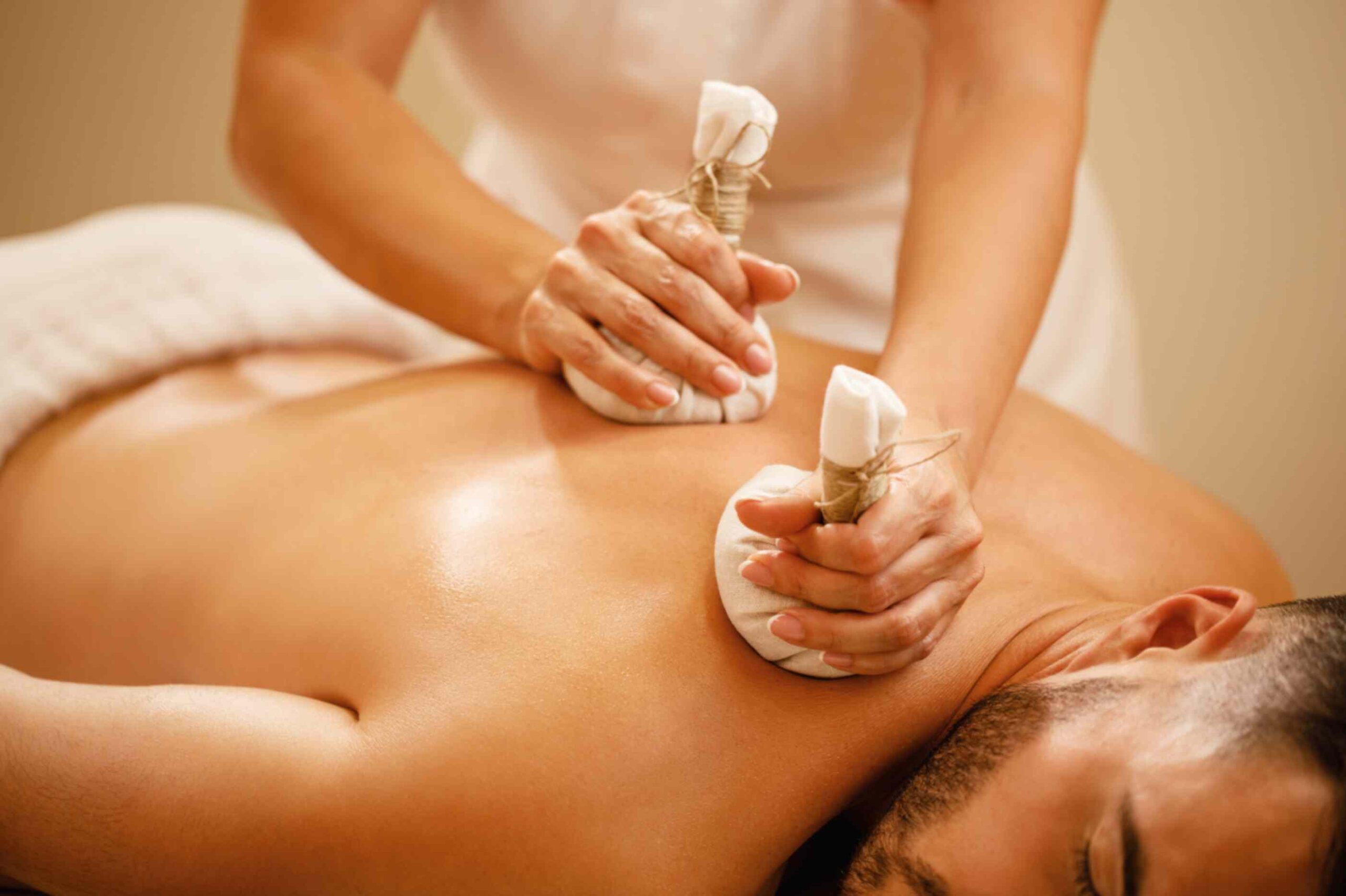
One of the most obvious benefits is physical relief. Regular massage therapy can:
- Ease muscle soreness after workouts
- Improve flexibility by reducing stiffness
- Enhance mobility for daily activities
Massage for Pain Management Body Massage
1. Chronic Back Pain
A consistent massage routine reduces tension in the spine and surrounding muscles.
2. Arthritis Relief
Gentle massage helps reduce joint stiffness and increases mobility.
3. Headache and Migraine Reduction
By relaxing neck and shoulder tension, massage can cut down on the frequency and intensity of migraines.
Boosting Circulation and Lymphatic Flow Body Massage
Good circulation means your muscles and organs get more oxygen and nutrients. Massage stimulates blood flow, helping with recovery and energy levels. It also promotes lymphatic drainage, which removes toxins and reduces swelling in the body.
Massage and Stress Reduction
Feeling stressed? Massage is like hitting the reset button. It lowers cortisol, encourages deep relaxation, and helps the mind reconnect with the body. This is why people often feel “lighter” after a session.
Mental Health Benefits of Massage
- Reduces anxiety and depression by calming the nervous system
- Improves sleep quality through relaxation
- Boosts mood by increasing happy hormones
Massage for Athletes and Active Individuals

Whether you run marathons or just hit the gym, massage speeds up recovery and prevents injuries. It reduces muscle tightness, helps flush out lactic acid, and keeps muscles flexible.
Massage for Improved Immunity
Studies show regular massage boosts white blood cell activity, strengthening your immune system. It also reduces inflammation, which plays a big role in many chronic diseases.
Massage and Skin Health
Massage isn’t just for muscles, it’s great for your skin too! The increased circulation gives skin a healthy glow, improves elasticity, and can even reduce puffiness. Paired with oils, it nourishes the skin while relaxing the body.
Different Types of Massage and Their Benefits
- Swedish Massage: Relaxing and rejuvenating.
- Deep Tissue Massage: Best for chronic tension.
- Aromatherapy Massage: Enhances mood and reduces stress.
- Hot Stone Massage: Combines warmth with pressure for deep relaxation.
What Are the Different Types of Massage?
Who Can Benefit Most from Regular Massage?
- Office workers suffering from back and neck pain.
- Seniors needing mobility support.
- Pregnant women who benefit from prenatal massage.
- Busy professionals who face stress daily.
How Often Should You Get a Massage?
For general wellness, once or twice a month works. Athletes or people with chronic pain may benefit from weekly sessions. The frequency depends on your lifestyle, health needs, and budget.
Precautions and Considerations
While massage is safe for most people, those with blood clots, certain heart conditions, or skin infections should consult a doctor first. Always communicate openly with your therapist to ensure a safe and effective session.
Conclusion
Massage is more than a luxury, it’s a powerful tool for health and healing. Regular sessions can relieve pain, reduce stress, boost immunity, and even improve mental well-being. Whether you’re an athlete, an office worker, or simply someone who wants better health, massage therapy can be life-changing.
Read More: 5 Benefits Of Shea Butter For Your Skin