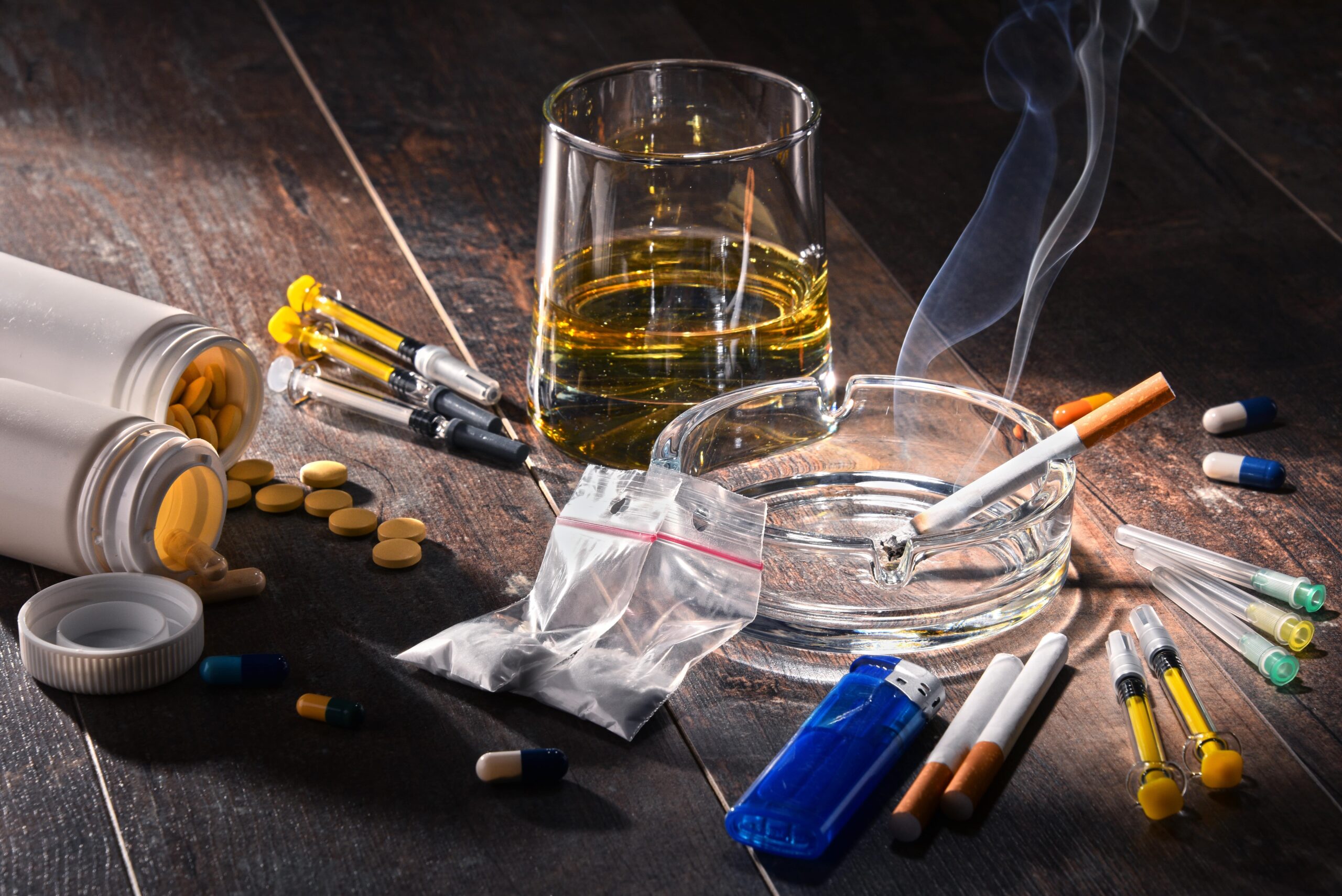
Drug addiction is one of the most serious challenges individuals and families face today. It doesn’t discriminate, it affects people of all ages, backgrounds, and lifestyles. At first, it might look like casual use or a way to cope with stress, but over time, it can spiral into a life-threatening condition. The good news? Recovery is possible. With awareness, treatment, and support, there is always hope.
This article will walk you through the warning signs of drug addiction, available treatment options, and the path to recovery so you or a loved one can find the right help.
What Is Drug Addiction?
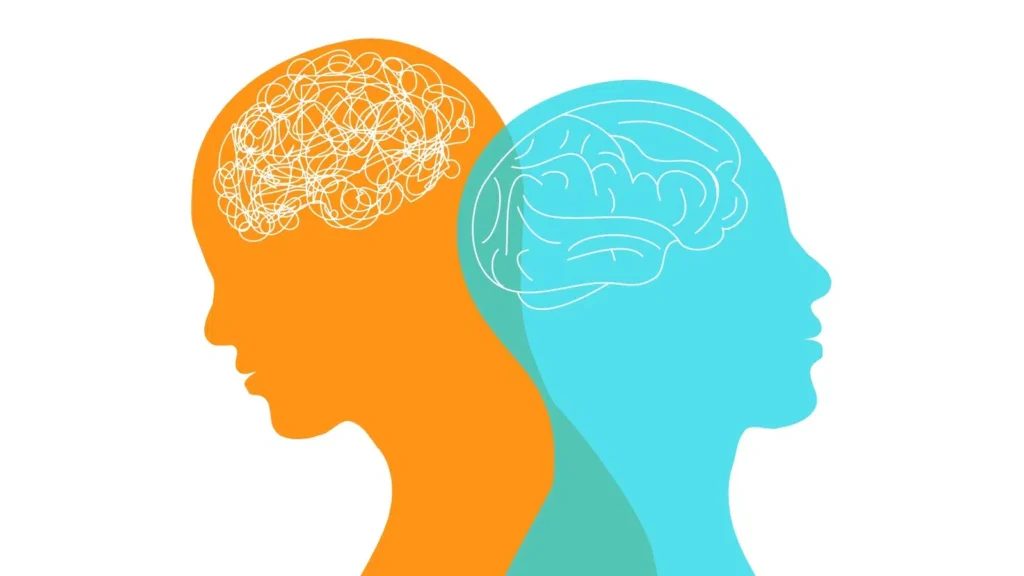
Drug addiction, also called substance use disorder (SUD), is a chronic brain disease. It changes how the brain functions, leading to uncontrollable cravings and compulsive use despite harmful consequences. Unlike simple bad habits, addiction rewires the brain’s reward system, making quitting extremely difficult without support.
Warning Signs of Drug Addiction
Recognizing the signs early can make a huge difference. Here are the most common red flags:
1. Behavioral Changes
- Sudden secrecy or lying
- Neglecting responsibilities at work, school, or home
- Loss of interest in hobbies or activities once enjoyed
2. Physical Symptoms
- Sudden weight loss or gain
- Bloodshot eyes or unusual pupils
- Poor hygiene and self-care
3. Emotional and Mental Signs
- Mood swings, irritability, or aggression
- Anxiety or paranoia
- Depression or hopelessness
4. Social Red Flags
- Pulling away from family and friends
- Hanging out with a new group of people
- Financial problems or borrowing money frequently
Why People Turn to Drugs Drug Addiction
Understanding why addiction starts is the first step to addressing it. Common reasons include:
- Stress and coping mechanisms – Some use drugs to escape personal problems.
- Curiosity and peer pressure – Especially common among teenagers.
- Chronic pain or medical reasons – Prescription opioids are a leading cause of dependence.
- Mental health struggles – Depression, trauma, or anxiety often drive people to self-medicate.
Read More: The Differences Between Good Fat & Bad Fat
Short-Term and Long-Term Effects of Drug Addiction
Short-Term Effects
- Euphoria or relaxation
- Increased energy or focus
- Altered senses and impaired judgment
Long-Term Effects
- Damage to the brain, heart, liver, and lungs
- Increased risk of infectious diseases (HIV, hepatitis)
- Severe mental health issues like paranoia or psychosis
- Strained relationships and financial ruin
Treatment Options for Drug Addiction
Recovery doesn’t happen overnight, it’s a journey. Here are some effective treatments:
1. Detoxification (Detox)

The first step involves clearing drugs from the body. This can be challenging and may require medical supervision to manage withdrawal symptoms safely.
2. Behavioral Therapy
Therapies such as Cognitive Behavioral Therapy (CBT) help individuals identify triggers, manage cravings, and develop healthier coping strategies.
3. Medication-Assisted Treatment (MAT)
Certain medications reduce cravings and withdrawal symptoms. For example:
- Methadone and buprenorphine for opioid addiction
- Naltrexone to block drug effects
4. Inpatient Rehabilitation
Structured, 24/7 care in a rehab facility provides intensive support, therapy, and a drug-free environment.
5. Outpatient Programs
Allows individuals to continue living at home while attending regular therapy sessions—ideal for mild to moderate cases.
6. Support Groups
Programs like Narcotics Anonymous (NA) or community support groups connect people with peers who understand the struggle.
The Role of Family and Community in Recovery Drug Addiction
Addiction doesn’t just affect the individual, it impacts entire families. A strong support system can make recovery more effective by providing encouragement, accountability, and emotional stability. Family therapy and education also help rebuild trust and understanding.
Relapse Prevention: Staying on Track Drug Addiction
Recovery isn’t always a straight line. Many people relapse at least once but this doesn’t mean failure. Instead, it’s a signal to adjust the recovery plan. Key strategies include:
- Identifying personal triggers (stress, places, or people)
- Building a strong daily routine
- Practicing stress management techniques (exercise, meditation, journaling)
- Continuing therapy and attending support meetings
Stories of Hope: Recovery Is Possible
It’s easy to feel hopeless when facing drug addiction, but countless people have rebuilt their lives. With the right treatment and determination, recovery is absolutely possible. Many individuals who once struggled with addiction now lead fulfilling, drug-free lives, proving that the journey is worth it.
How to Help a Loved One Struggling With Addiction
Watching someone you care about struggle is painful. Here’s how you can help:
- Speak with empathy, not judgment
- Encourage them to seek professional help
- Avoid enabling their behavior (like giving them money for drugs)
- Offer to attend therapy sessions or support groups with them
The Importance of Professional Help
While some people attempt to quit on their own, professional guidance significantly increases the chances of long-term recovery. Doctors, therapists, and addiction specialists provide the tools, structure, and support necessary to break free from the cycle of drug dependency.
Conclusion
Drug addiction is a difficult battle, but it’s not one that has to be fought alone. By recognizing the warning signs early, seeking effective treatment, and building a strong support system, recovery is within reach. Every person deserves a second chance, and with determination and the right help, a healthier, drug-free future is possible.
Source: https://www.mayoclinic.org/diseases-conditions/drug-addiction/symptoms-causes/