Epilepsy is one of the most common neurological conditions, affecting millions of people worldwide. Despite being widespread, it’s still surrounded by myths, confusion, and stigma. At its core, epilepsy is a disorder where the brain’s normal electrical activity gets disrupted, leading to seizures. Understanding the causes and symptoms of epilepsy is crucial not only for those diagnosed but also for families, caregivers, and society as a whole.
Understanding Epilepsy Symptoms of Epilepsy
Epilepsy isn’t a single disease, it’s more like a group of conditions with one thing in common: repeated seizures. These seizures can vary from brief lapses in attention to dramatic convulsions. Historically, epilepsy was misunderstood, often linked to supernatural beliefs. Today, science has shown us that it’s a medical condition tied to irregular brain activity.

Causes of Epilepsy Symptoms of Epilepsy
Genetic Factors
Some types of epilepsy run in families. Specific genes can increase the risk of seizures by influencing how brain cells communicate.
Brain Injury
Head trauma from accidents, falls, or sports injuries can scar brain tissue, creating a source for seizure activity.
Infections
Meningitis, encephalitis, and other brain infections can damage neural pathways, making seizures more likely.
Stroke and Vascular Diseases
Strokes cut off blood supply to parts of the brain. This sudden injury often leads to epilepsy in older adults.
Developmental Disorders
Conditions like autism and neurodevelopmental delays are sometimes linked with epilepsy.
Unknown Causes (Idiopathic Epilepsy)
In nearly half of epilepsy cases, doctors can’t find a specific cause. This is called idiopathic epilepsy.
Risk Factors for Epilepsy Symptoms of Epilepsy
Not everyone with a risk factor will develop epilepsy, but certain conditions raise the chances:
- Age – Young children and older adults face the highest risk.
- Family history – Genetic predisposition can play a strong role.
- Head trauma – Even mild concussions may raise seizure risk.
- Brain conditions – Tumors and degenerative diseases are linked to epilepsy.
Symptoms of Epilepsy Symp
toms of Epilepsy
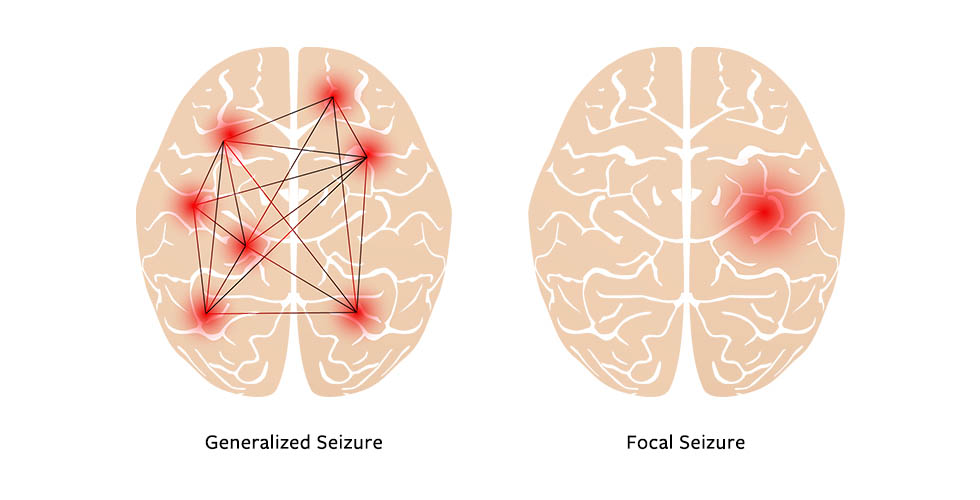
The hallmark of epilepsy is seizures, but not all seizures look alike.
Generalized Seizures
- Tonic-Clonic Seizures: Sudden loss of consciousness, stiff muscles, and convulsions.
- Absence Seizures: Brief staring spells, often mistaken for daydreaming.
Focal Seizures
- Simple Focal Seizures: Affect a small part of the brain, causing twitching or unusual sensations.
- Complex Focal Seizures: Alter awareness; the person may seem awake but confused.
Other Signs and Warnings
- Auras: Strange feelings, smells, or sensations that signal an oncoming seizure.
- Behavioral Changes: Irritability, confusion, or memory lapses.
How Symptoms Differ Between Individuals Symptoms of Epilepsy
No two people experience epilepsy in exactly the same way. Some may only have rare, mild seizures, while others face frequent and severe episodes. The type, intensity, and frequency depend on the underlying cause and brain activity patterns.
Early Warning Signs to Watch For Symptoms of Epilepsy
Epileptic seizures don’t always strike out of the blue. Some people notice:
- Sudden fear or anxiety
- Dizziness
- Tingling sensations
- Temporary confusion
- Vision changes
Complications Linked to Epilepsy Symptoms of Epilepsy
Living with epilepsy involves more than just seizures.
- Emotional challenges: Anxiety, depression, and social isolation are common.
- Physical risks: Falls, drowning, or accidents during seizures.
- Lifestyle impact: Difficulty driving, working, or studying.
When to See a Doctor
Seek medical attention if:
- Seizures last longer than 5 minutes.
- Breathing or consciousness doesn’t return after a seizure.
- Seizures are frequent or worsening.
- It’s the first seizure you’ve ever experienced.
Diagnosis of Epilepsy
Doctors rely on several tools to confirm epilepsy:
- Neurological exams – Testing reflexes, memory, and brain function.
- Imaging tests – MRI or CT scans to spot brain abnormalities.
- EEG – Measures brain’s electrical activity to detect seizure patterns.
Treatment Options

While epilepsy can’t always be cured, it can often be managed.
- Medications: Anti-seizure drugs are the most common treatment.
- Surgery: In cases where seizures originate from one part of the brain.
- Lifestyle management: Regular sleep, stress reduction, and avoiding seizure triggers.
Living With Epilepsy
Managing epilepsy is a lifelong journey. Support groups, counseling, and lifestyle adjustments make it possible to live a fulfilling life. Families and caregivers also play a vital role in creating a safe and supportive environment.
Prevention and Risk Reduction
You can’t always prevent epilepsy, but you can reduce risks by:
- Wearing helmets to prevent head injuries.
- Managing blood pressure to lower stroke risk.
- Practicing good prenatal care to reduce developmental issues.
Conclusion
Epilepsy is complex, but it doesn’t have to be mysterious. By understanding the causes and symptoms of epilepsy, we can support those living with the condition and challenge the stigma surrounding it. Early diagnosis and effective management can make a world of difference.
Read More : Foods That Are Good for Heart: Eat Your Way to a Healthier Life