Introduction
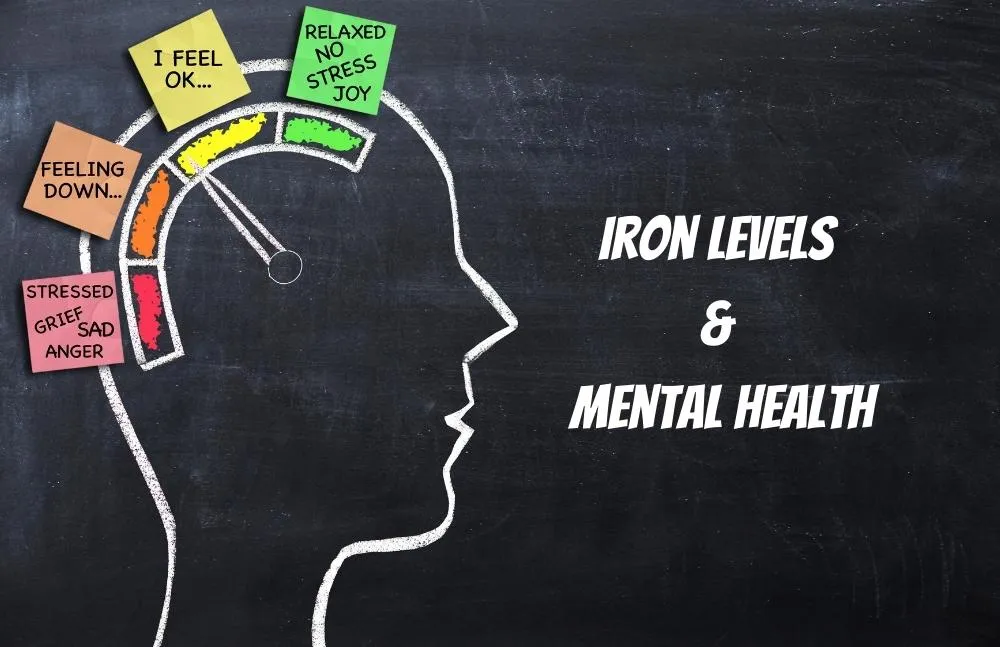
Iron deficiency is one of the most common nutritional deficiencies worldwide, affecting millions of people across different age groups and lifestyles. While it is widely known for causing fatigue and weakness, its impact on mental health is often overlooked. Research suggests that iron deficiency can contribute to stress, anxiety, depression, and cognitive decline.
In this article, we will explore how iron deficiency affects mental well-being, particularly in individuals prone to this condition. We will also discuss ways to prevent and manage iron deficiency to support both physical and mental health.
Understanding Iron’s Role in Mental Health
Iron is essential for producing hemoglobin, which helps transport oxygen throughout the body, including the brain. It also plays a crucial role in neurotransmitter function, supporting dopamine, serotonin, and norepinephrine—chemicals that regulate mood, motivation, and stress response. When iron levels drop, the brain receives less oxygen, leading to cognitive impairment, irritability, and emotional instability.
Iron deficiency can slow down brain function, making it harder to concentrate, process information, and regulate emotions. This deficiency may also exacerbate mental health issues, increasing the risk of anxiety, depression, and chronic stress.
Who Is Most at Risk for Iron Deficiency?
Certain groups of people are more prone to developing iron deficiency due to lifestyle, diet, or medical conditions. These include:
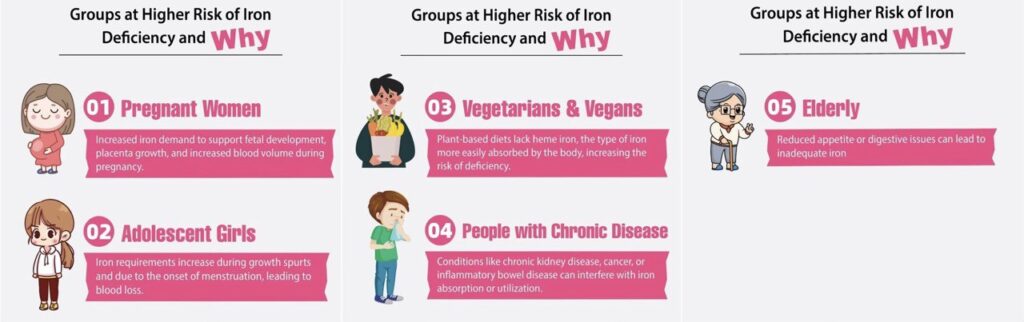
- Pregnant Women – Pregnancy increases iron demands to support fetal development. Iron deficiency during pregnancy can lead to fatigue, mood swings, and even postpartum depression.
- Menstruating Individuals – Women with heavy menstrual cycles lose more blood, making them susceptible to low iron levels, which can result in stress and mental fatigue.
- Vegetarians and Vegans – Since plant-based diets lack heme iron (the more absorbable form of iron found in animal products), those who avoid meat must find alternative sources and may still struggle with deficiency.
- Athletes – High-intensity training increases iron demands due to muscle repair, sweat loss, and red blood cell production. Deficiency can cause physical exhaustion and mental fatigue.
- People with Chronic Illnesses – Conditions like celiac disease, Crohn’s disease, and ulcerative colitis can interfere with iron absorption, leading to long-term deficiency and mental health challenges.
- Children and Adolescents – Growing bodies require more iron. Deficiency in children can cause behavioral problems, learning difficulties, and increased stress levels.
The Mental Health Effects of Iron Deficiency
1. Increased Stress and Anxiety
Iron plays a key role in neurotransmitter production, including dopamine and serotonin, which help regulate mood and stress. A deficiency can lead to increased levels of stress and anxiety. Studies suggest that low iron levels may contribute to panic attacks and generalized anxiety disorder (GAD).
2. Depression and Mood Disorders
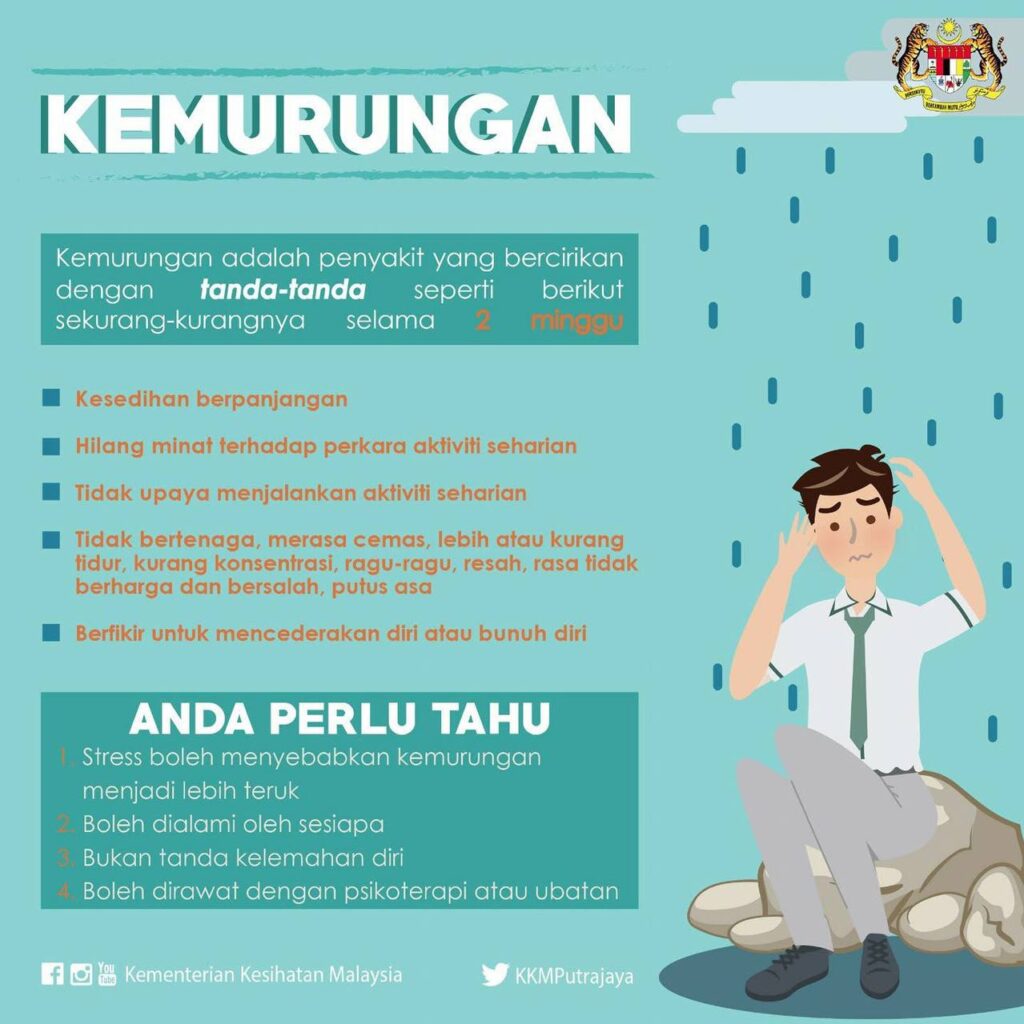
Iron deficiency is linked to depressive symptoms due to its impact on serotonin production. When serotonin levels drop, individuals may experience persistent sadness, low energy, and emotional instability. Women, particularly during menstruation and pregnancy, are at a higher risk of iron-deficiency-related depression.
3. Cognitive Impairment and Brain Fog
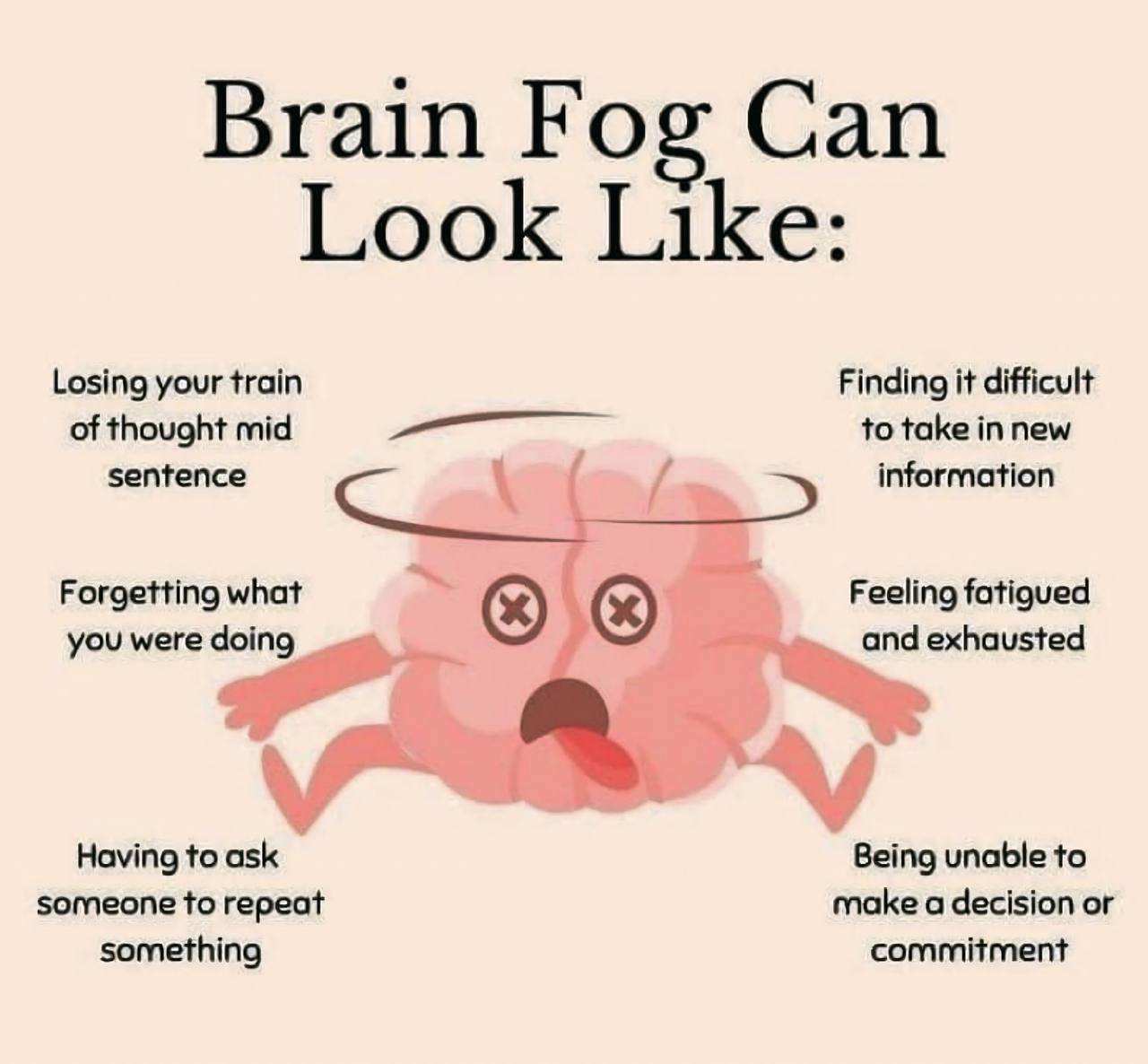
Iron is crucial for brain function and cognitive development. Low iron levels can lead to difficulties in concentration, memory retention, and decision-making. Many individuals with iron deficiency report experiencing ‘brain fog,’ a state of mental cloudiness that affects daily productivity and problem-solving abilities.
4. Irritability and Emotional Sensitivity
Irritability and heightened emotional responses are common symptoms of iron deficiency. This occurs due to disrupted oxygen supply to the brain, making it harder to regulate emotions and manage stress effectively.
Read more : Bagaimana Stres Mempengaruhi Gaya Hidup Sihat Anda
Preventing and Managing Iron Deficiency
To maintain optimal iron levels and support mental well-being, consider the following strategies:
1. Consume Iron-Rich Foods
Include both heme (animal-based) and non-heme (plant-based) sources of iron in your diet. Good sources include:
- Heme Iron: Red meat, poultry, fish, and liver.
- Non-Heme Iron: Spinach, lentils, chickpeas, quinoa, tofu, fortified cereals, and nuts.
- Pairing non-heme iron with vitamin C-rich foods (citrus fruits, tomatoes, bell peppers) enhances absorption.
2. Consider Iron Supplements
If dietary intake is insufficient, iron supplements can help replenish levels. However, it is important to consult a healthcare professional before starting supplementation to determine the correct dosage.
3. Limit Iron Inhibitors
Certain foods and drinks can hinder iron absorption. Avoid consuming tea, coffee, dairy, and high-calcium foods immediately before or after meals high in iron.
4. Monitor Iron Levels
Regular blood tests can help track iron levels, especially for those at higher risk of deficiency. Early detection can prevent severe health complications.
5. Manage Stress and Mental Health
Since iron deficiency can amplify stress and mental health issues, practicing stress management techniques is essential. Regular exercise, mindfulness, and sufficient sleep can help improve mental resilience while addressing iron levels.
Conclusion
Iron deficiency is more than just a physical health issue—it has significant implications for mental health as well. From increased stress and anxiety to depression and cognitive impairment, low iron levels can severely impact daily life.
By recognizing the hidden link between iron and mental well-being, individuals can take proactive steps to prevent and manage iron deficiency through diet, supplementation, and lifestyle adjustments. Prioritizing iron intake not only supports energy levels but also enhances mood, cognitive function, and overall mental health.
More interesting article here : Hormon kortisol : Apa kaitan dengan stress?