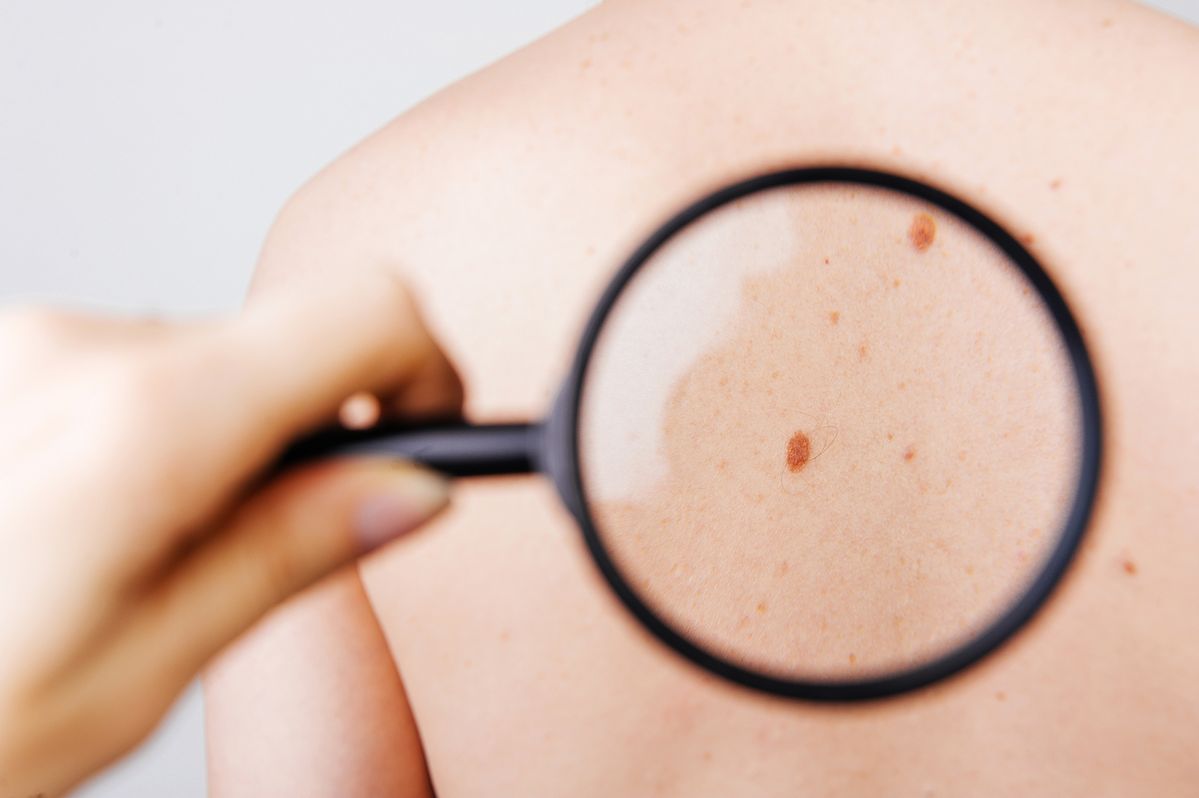
Skin cancer is one of the most common cancers worldwide, yet it’s also one of the most preventable. The key lies in early detection. Spotting the warning signs at the earliest stage can save lives and make treatment far more effective. Signs of Skin Cancer
Understanding Skin Cancer
What Is Skin Cancer?
Skin cancer occurs when abnormal skin cells grow uncontrollably, usually due to UV radiation from the sun or tanning beds.
Types of Skin Cancer
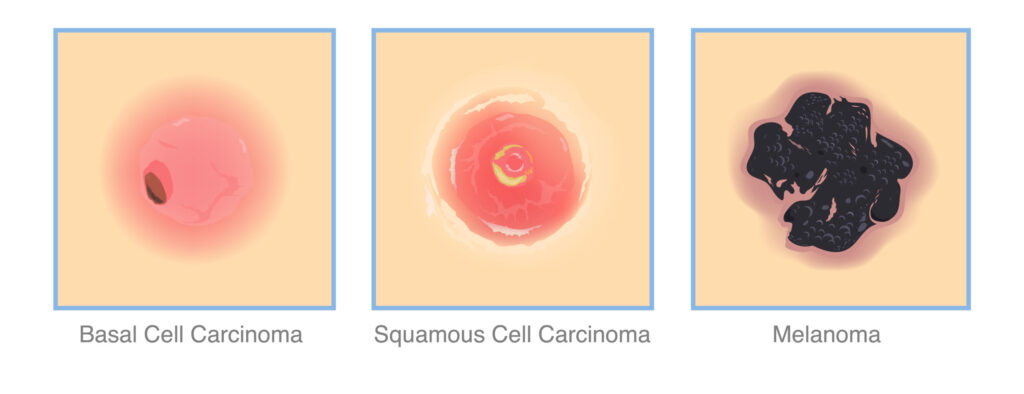
- Basal cell carcinoma (BCC) – the most common and slow-growing type.
- Squamous cell carcinoma (SCC) – more aggressive but treatable when caught early.
- Melanoma – the deadliest form, though less common.
Skin Cancer: Symptoms, Types & Treatment
Why Early Detection Matters Signs of Skin Cancer
Higher Survival Rates
Skin cancer, especially melanoma, has high cure rates if diagnosed early.
Preventing Spread
Catching cancer early prevents it from spreading to other organs.
Common Early Signs of Skin Cancer Signs of Skin Cancer
- New moles or unusual skin growths
- Changes in size, shape, or color of existing moles
- Rough, scaly patches that don’t heal
- Sores that bleed or crust over repeatedly
The ABCDE Rule of Melanoma Signs of Skin Cancer
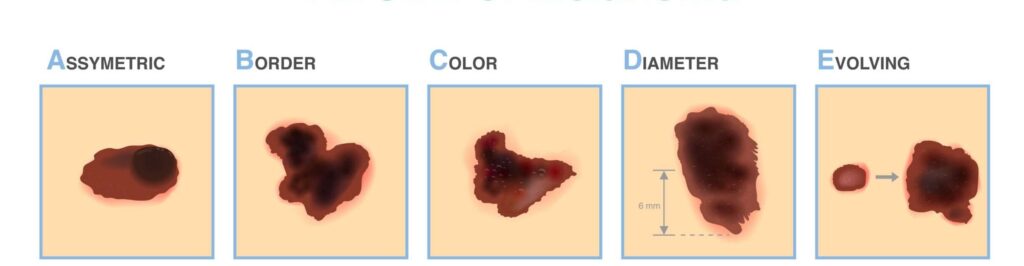
A simple way to evaluate suspicious moles is the ABCDE rule:
- A: Asymmetry – One half doesn’t match the other.
- B: Border – Uneven or jagged edges.
- C: Color – Multiple colors like brown, black, or red.
- D: Diameter – Larger than a pencil eraser (6mm).
- E: Evolving – Changes in size, color, or symptoms (like itching or bleeding).
Basal Cell Carcinoma Signs Signs of Skin Cancer
- Pearly, waxy bumps on the skin
- Flat, flesh-colored or brown lesions
- Open sores that don’t heal or keep returning
Squamous Cell Carcinoma Signs Signs of Skin Cancer
- Firm, red nodules
- Scaly, crusted patches
- Growths resembling warts that may bleed
Less Common but Dangerous Signs Signs of Skin Cancer
- Merkel cell carcinoma – Appears as fast-growing, firm nodules.
- Rare lesions – Strange growths that look unusual should always be checked.
Who Is at Higher Risk? Signs of Skin Cancer
- Fair-skinned individuals with freckles or light hair
- People with high sun exposure or history of sunburns
- Family history of skin cancer
- Weakened immune systems
Where Skin Cancer Can Appear
Skin cancer doesn’t just appear on obvious areas:
- Common areas – face, scalp, arms, and chest.
- Hidden spots – soles of feet, under nails, eyelids, or even between toes.
When to See a Dermatologist
Seek professional help if you notice:
- New or changing moles
- Persistent sores
- Itchy or painful growths
Regular dermatology visits are essential for those at higher risk.
Self-Examinations at Home
Step-by-Step Guide
- Stand in front of a mirror and check your face, arms, and chest.
- Use a hand mirror for your back, scalp, and behind the ears.
- Don’t forget hidden areas, between fingers, toes, and under nails.
Using Mirrors and Photos
Taking photos helps track changes over time.
Prevention Tips
- Use broad-spectrum sunscreen daily (SPF 30+).
- Wear hats, sunglasses, and protective clothing outdoors.
- Avoid tanning beds and prolonged sun exposure.
- Stay in the shade during peak sunlight hours (10 a.m.–4 p.m.).
Treatment Options if Detected Early
- Surgery to remove the cancerous area.
- Cryotherapy (freezing abnormal cells).
- Radiation or topical treatments for certain cases.
Conclusion
Skin cancer can be life-threatening, but with awareness and vigilance, it’s highly preventable. The early signs of skin cancer are often visible, giving you the chance to act quickly. Keep an eye on your skin, practice prevention, and never hesitate to see a dermatologist when in doubt.
Read More : What Vitamin Should I Take To Make My Skin Glow?