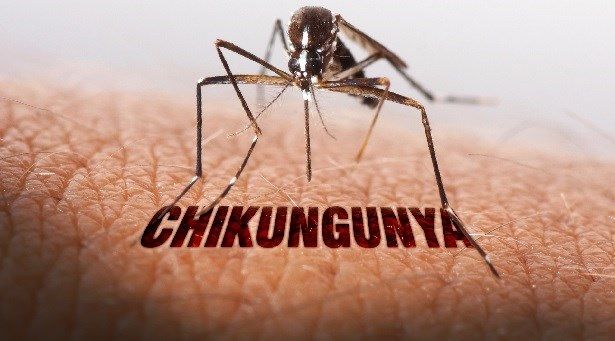
Chikungunya is a mosquito-borne viral disease that often catches people off guard. While it’s rarely fatal, it can cause intense joint pain, high fever, and fatigue that may last for weeks or even months. Since there’s no direct cure, finding effective treatments for chikungunya focuses mainly on easing symptoms and speeding up recovery.
Understanding Chikungunya Virus Treatments for Chikungunya
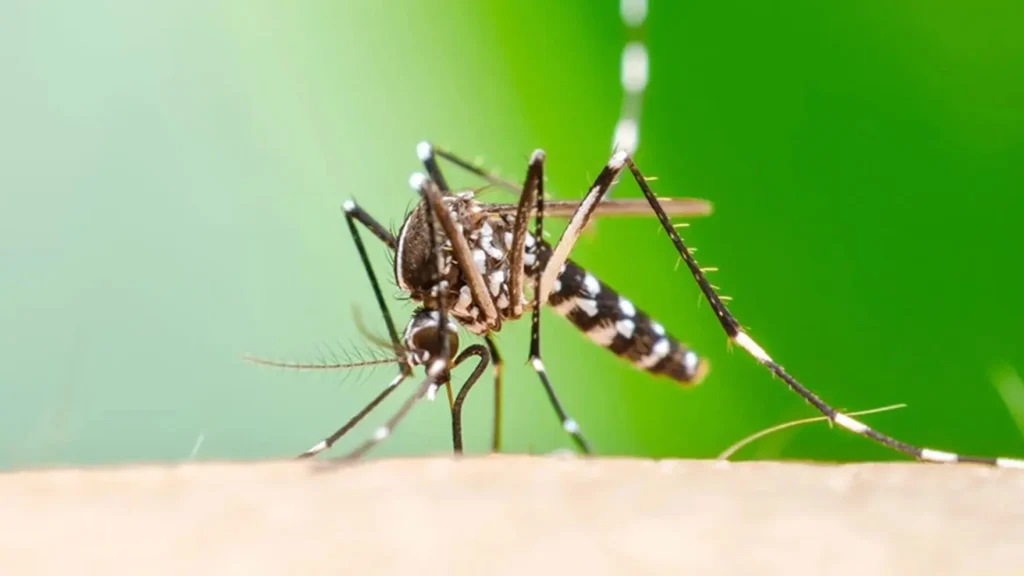
The chikungunya virus is primarily spread by Aedes mosquitoes, the same ones responsible for dengue and Zika. Once bitten, symptoms can appear within 2–7 days.
Common symptoms include:
- Sudden high fever
- Severe joint and muscle pain
- Headache and fatigue
- Skin rash
Diagnosis of Chikungunya Treatments for Chikungunya
Since its symptoms are very similar to dengue and Zika, proper diagnosis is crucial. Doctors usually confirm chikungunya through:
- Blood tests to detect the virus or antibodies.
- Medical history and symptom check to rule out other infections.
Is There a Cure for Chikungunya? Treatments for Chikungunya
Here’s the truth, there’s no specific antiviral drug for chikungunya. Treatment revolves around supportive care to manage pain, fever, and weakness. That’s why early detection and proper care play such a vital role in recovery.
Chikungunya: Symptoms, Causes, Prevention, and Care
Pain and Fever Management Treatments for Chikungunya
The most troubling symptom of chikungunya is joint pain. For relief:
- Paracetamol (acetaminophen) helps with fever and mild pain.
- Avoid aspirin and NSAIDs (like ibuprofen) until dengue is ruled out, as they can increase bleeding risks.
- Applying cold compresses can reduce swelling in joints.
Hydration and Nutrition Treatments for Chikungunya
Chikungunya often causes dehydration due to fever. Doctors recommend:
- Plenty of fluids like water, oral rehydration solutions, and coconut water.
- A nutrient-rich diet with fruits, vegetables, and protein to rebuild strength.
- Avoiding alcohol and caffeine, which worsen dehydration.
Rest and Physical Care Treatments for Chikungunya

The body needs extra energy to fight the virus. Getting adequate rest is crucial. For joint pain relief:
- Use warm baths or heating pads.
- Gentle stretching to keep joints from stiffening.
- Sleeping in a comfortable position to reduce stress on sore muscles.
Herbal and Natural Remedies
Many cultures use natural remedies alongside medical care:
- Turmeric and ginger, known for anti-inflammatory properties.
- Tulsi (holy basil) tea, which helps boost immunity.
- Neem leaves, traditionally used to reduce fever.
While these may ease symptoms, they shouldn’t replace prescribed medicines.
Long-Term Symptoms of Chikungunya
Some patients develop chronic joint pain lasting months or even years. This condition mimics arthritis and can impact mobility. Doctors may prescribe physiotherapy, anti-inflammatory drugs, or supplements to help.
Physical Therapy and Exercise
Once the fever subsides, light physical therapy can speed recovery:
- Gentle yoga and stretching exercises.
- Low-impact workouts like swimming or walking.
- Avoiding high-intensity exercise until fully recovered.
Immune System Support
A strong immune system shortens recovery time. Helpful nutrients include:
- Vitamin C and zinc for immunity.
- Calcium and vitamin D to support joint recovery.
- Protein-rich foods to rebuild tissue.
Preventing Secondary Infections
Since chikungunya weakens the body, patients are vulnerable to other illnesses. Maintaining good hygiene, proper rest, and mosquito protection reduces risks of secondary infections.
Hospitalization and Severe Cases
Most cases are manageable at home. But hospitalization may be needed for:
- Severe dehydration
- Elderly patients with weak immunity
- Pregnant women or those with pre-existing conditions
In hospitals, patients may receive IV fluids, strong pain management, and close monitoring.
Chikungunya vs. Dengue Treatments
Though both are mosquito-borne, treatments differ:
- Chikungunya – focuses on joint pain relief and hydration.
- Dengue – requires strict monitoring for bleeding and platelet counts.
Knowing the difference is essential for effective treatment.
Conclusion
While chikungunya has no direct cure, proper care and treatment can make recovery smoother and prevent long-term complications. From pain relief to hydration, rest, and natural remedies, managing chikungunya is all about supporting the body as it heals. With awareness and prevention strategies, you can lower the chances of getting infected in the first place.
Read More : Benefits of Niacinamide for Glowing, Healthy Skin