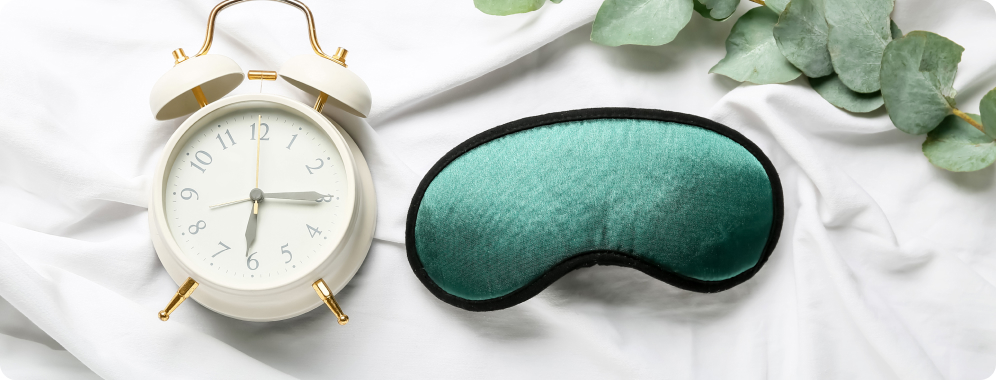
We’ve all heard the phrase, “Get a good night’s sleep,” but what does that actually mean? Sleep isn’t just about closing your eyes, it’s about quality rest that refreshes your mind and body. This is where sleep hygiene comes in. But what is sleep hygiene exactly, and why does it matter?
Defining Sleep Hygiene
Sleep hygiene is a fancy way of describing the healthy habits and practices that set you up for good sleep. Think of it as brushing your teeth for bedtime but for your sleep cycle. The term was first used in the 1970s by sleep researchers to help people struggling with insomnia. Today, it’s widely recognized as a foundation for better rest.
Why Sleep Hygiene Is Important
Getting quality sleep impacts almost every aspect of your life:
- Mental health: Sleep helps regulate mood, reduces stress, and sharpens focus.
- Physical health: Good sleep supports the immune system, improves metabolism, and lowers the risk of heart disease and diabetes.
Without proper sleep hygiene, your body never gets the full benefits of rest.
How Poor Sleep Habits Affect You
Bad sleep hygiene leads to:
- Trouble concentrating and remembering things
- Lower productivity and performance at work or school
- Mood swings and irritability
- Higher risk of obesity, heart problems, and weakened immunity
Common Signs of Poor Sleep Hygiene

Wondering if your sleep routine needs a reset? Look for these signs:
- Irregular sleep and wake times
- Waking up tired despite enough hours of sleep
- Using caffeine or sugar to fight fatigue
- Trouble falling or staying asleep
Key Principles of Good Sleep Hygiene
Building better sleep starts with consistency:
- Stick to a schedule: Go to bed and wake up at the same time daily—even on weekends.
- Create a bedtime routine: Wind down with calming activities like reading, journaling, or light stretching.
The Role of Sleep Environment

Your bedroom should be a sleep-friendly zone. Keep it:
- Cool: Around 65°F (18°C) is ideal.
- Dark: Block out light with curtains or sleep masks.
- Quiet: Reduce noise with earplugs or white noise machines.
Investing in a good mattress and pillows also makes a big difference.
Technology and Sleep Hygiene
Ever scrolled on your phone in bed? That glowing blue light tricks your brain into thinking it’s daytime. To protect your sleep hygiene:
- Avoid screens an hour before bed.
- Use night mode if you must use devices.
- Keep your phone out of reach at night.
Magnesium Spray: Benefits for Sleep and Muscle Recovery
Nutrition and Sleep Hygiene
What you eat and drink directly impacts your sleep.
- Avoid caffeine in the afternoon and evening.
- Skip heavy, spicy meals close to bedtime.
- Try sleep-friendly snacks like bananas, almonds, or warm milk if you’re hungry at night.
Exercise and Sleep Hygiene
Regular exercise improves sleep quality, but timing matters. A morning jog or afternoon workout can promote better rest, while intense late-night exercise may keep you wired.
Stress Management and Sleep
Stress is one of the biggest sleep disruptors. Relaxation techniques like:
- Deep breathing exercises
- Meditation or mindfulness
- Journaling worries before bed
Sleep Hygiene for Shift Workers

Working night shifts or rotating schedules makes sleep hygiene tougher. Some tips:
- Use blackout curtains to sleep during the day.
- Stick to the same sleep schedule on workdays and off-days if possible.
- Avoid caffeine toward the end of your shift.
Sleep Hygiene for Children and Teens
Young people need structured routines for healthy development. Parents can help by:
- Setting consistent bedtimes
- Limiting screen time before bed
- Creating calming bedtime rituals like reading together
When Good Sleep Hygiene Isn’t Enough
Sometimes, even perfect sleep hygiene can’t solve sleep problems. If you still struggle, conditions like insomnia, sleep apnea, or restless legs syndrome may be at play. In such cases, consulting a sleep specialist is essential.
Conclusion
So, what is sleep hygiene? It’s simply the practice of building habits that support deep, refreshing sleep. From consistent schedules to relaxing routines, small changes add up to big benefits for your mind and body. By prioritizing sleep hygiene, you’re investing in better health and a more energized life.
Read More About Sleep Hygiene