Health screening is like a security check for your body. It helps you spot problems before they cause trouble. It’s a set of medical tests designed to detect diseases or health conditions early, often before any symptoms show up. Unfortunately, many people think screening is only for the sick or elderly, but that’s far from the truth.
Early Detection of Diseases Health Screening
Catching health issues before symptoms appear
Most serious illnesses, from cancer to heart disease, don’t knock on your door with obvious signs. Screenings help catch them while they’re still in their early, more treatable stages.
Examples of diseases detected early through screening
- Breast cancer via mammograms
- Diabetes through blood sugar tests
- Colon cancer via colonoscopy
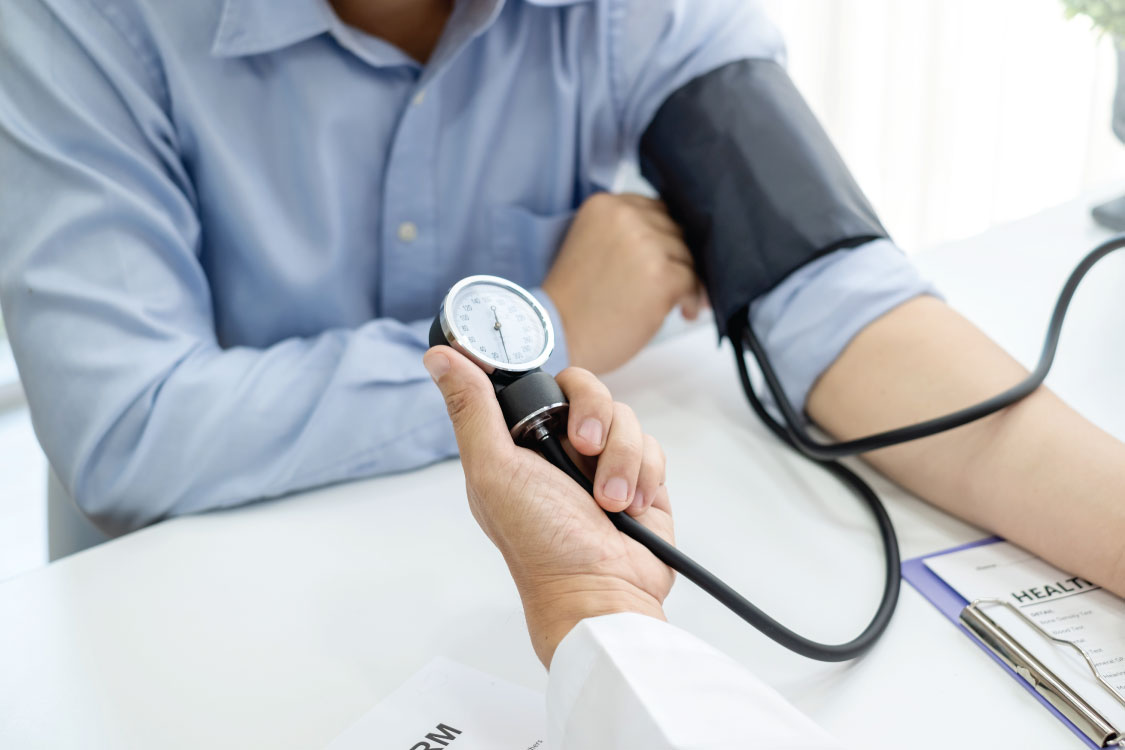
- High blood pressure through regular check-ups
Prevention and Risk Reduction Health Screening
Identifying risk factors before they cause harm
Think of screenings as a warning light in your car, they alert you before a breakdown happens. High cholesterol, for example, may not cause symptoms but can be detected early and managed.
Lifestyle changes guided by screening results
When screenings reveal risk factors, doctors can recommend diet, exercise, or medication changes to help prevent the condition from worsening.
Improved Treatment Outcomes

How early diagnosis boosts treatment success
Treating a disease early usually means better recovery rates and fewer complications. For example, catching skin cancer early can mean a simple outpatient procedure instead of invasive surgery.
Reducing healthcare costs with timely care
Prevention and early treatment are far cheaper than dealing with advanced illnesses that require hospitalization or long-term medication.
Common Types of Health Screenings
General health check-ups
Routine physicals often include blood pressure checks, cholesterol levels, and BMI measurements.
Cancer screenings
- Mammograms for breast cancer
- Pap smears for cervical cancer
- Colonoscopies for colon cancer
Heart and vascular health tests
- Electrocardiograms (ECG)
- Stress tests
- Blood tests for cholesterol and triglycerides
Diabetes and metabolic screenings
A simple fasting blood glucose test can indicate if you’re at risk for diabetes or already have it without knowing.
Age and Gender-Specific Screenings
Screenings for children and adolescents
These include growth monitoring, vision checks, and vaccinations.
Adult and senior health screenings
Bone density tests, prostate exams, and cardiovascular screenings become more important as you age.
Women’s and men’s specific tests
Mammograms, Pap smears, and prostate-specific antigen (PSA) tests are examples of gender-specific screenings.
Workplace Health Screening
Benefits for employers
Healthy employees mean fewer sick days, higher productivity, and lower insurance costs.
Benefits for employees
Employees get easy access to tests without disrupting their work schedule, and early intervention can prevent long-term illness.
Overcoming Barriers to Screening
Common fears and myths
Some people avoid screenings for fear of bad news, but in reality, knowing early can be lifesaving.
Accessibility and affordability issues
Many clinics and organizations offer low-cost or free screenings, especially during health awareness months.
How To Achieve A Healthy Lifestyle
How Often Should You Get Screened?
Factors influencing screening frequency
Your age, family history, and lifestyle all play a role in how often you need tests.
Consulting your healthcare provider
Only a doctor can tailor a screening schedule to your specific needs.
Conclusion
Health screenings are one of the smartest investments you can make for your well-being. They detect silent threats, guide prevention, improve treatment success, and can even save lives. Don’t wait for symptoms, make screening a regular part of your health routine.
Read More About Health Screening