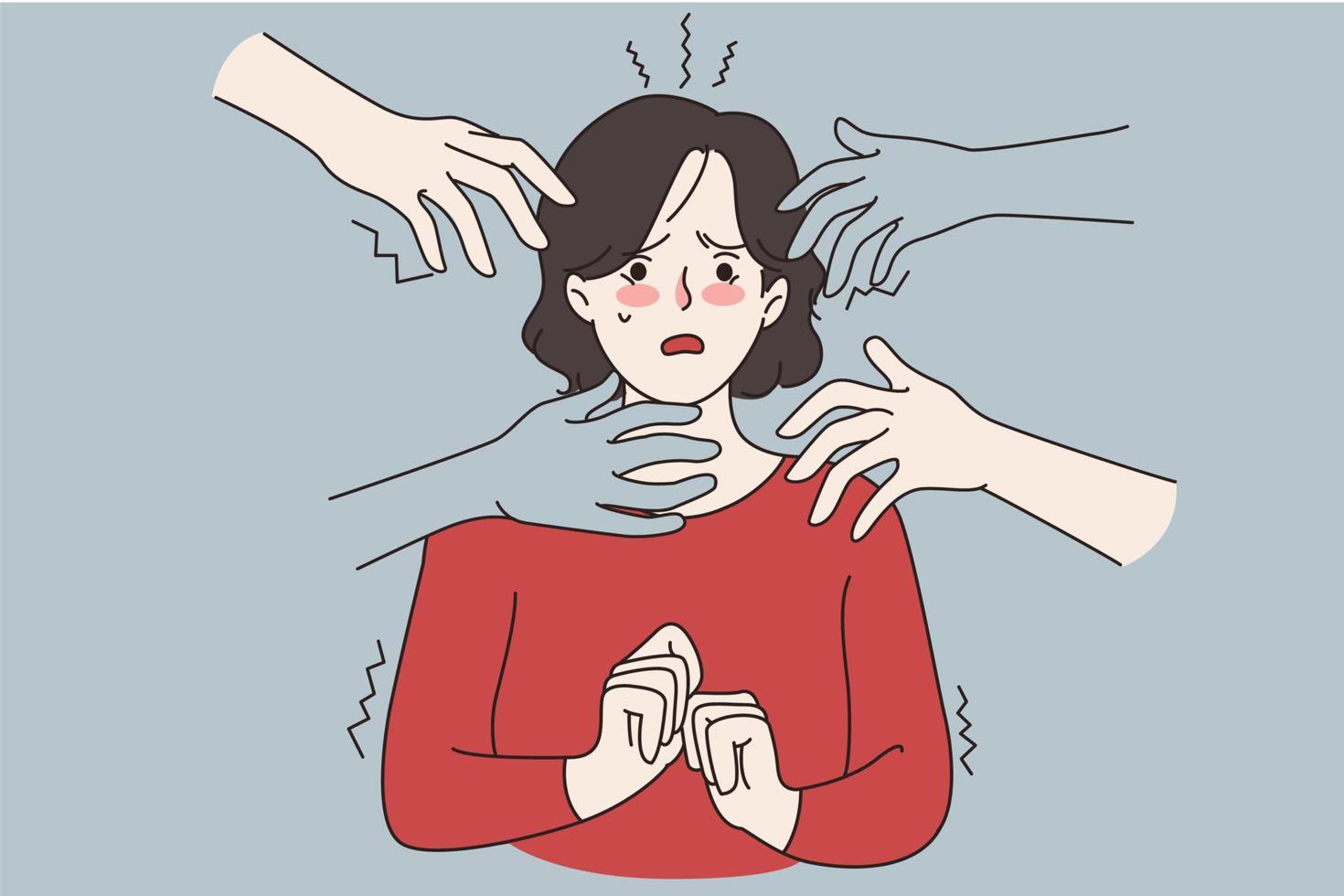
Anxiety attacks can feel like a sudden storm. It is overwhelming, unpredictable, and exhausting. But like any storm, there are warning signs before it hits. Recognizing these early signals can give you the power to take action before the anxiety escalates. Anxiety Attack
Why Recognizing Early Signs Matters
Spotting the symptoms early can help you use coping strategies sooner, potentially preventing a full-blown attack. It’s like catching a cold in the sniffles stage rather than when you’re stuck in bed.
Anxiety Attacks vs. Panic Attacks
While the terms are often used interchangeably, anxiety attacks usually build gradually, triggered by stress or worry. Panic attacks, on the other hand, often strike suddenly with intense fear and physical symptoms.
Understanding Anxiety Attacks Anxiety Attack
What Happens in the Body
Anxiety activates the body’s “fight-or-flight” response, releasing stress hormones like adrenaline. This can cause a surge in heart rate, muscle tension, and heightened alertness.
Common Triggers
Triggers vary but often include work pressure, relationship stress, health concerns, financial strain, or even crowded places. For some, anxiety attacks can also be triggered by certain memories or traumas.
Physical Early Signs Anxiety Attack

– Increased Heart Rate
One of the first physical cues is a noticeable spike in heartbeat. You might feel it pounding in your chest or even hear it in your ears.
– Rapid Breathing or Shortness of Breath
Breathing may become shallow and fast. Some people describe it as feeling like they can’t get enough air.
– Sweating and Shaking
Even in cool environments, your palms may sweat, or your hands may tremble.
– Muscle Tension
You might notice your shoulders creeping up towards your ears, your jaw tightening, or your fists clenching without realizing it.
– Upset Stomach or Nausea
Digestive issues, including cramps or nausea, are common as anxiety disrupts the gut’s natural rhythm.
Emotional Early Signs Anxiety Attack
– Overwhelming Sense of Worry
It may start as mild concern but grow into a wave of unease that’s hard to shake.
– Restlessness and Irritability
You might feel on edge, unable to sit still, or unusually snappy with those around you.
– Feeling of Dread
A sense that “something bad is about to happen” often creeps in before an anxiety attack.
Cognitive Early Signs Anxiety Attack
– Racing Thoughts
Your mind might feel like a hamster wheel spinning out of control, jumping from one worry to the next.
– Difficulty Concentrating
Tasks you normally handle with ease suddenly feel impossible to focus on.
– Overanalyzing and Catastrophizing
You may start imagining worst-case scenarios, no matter how unlikely they are.
Behavioral Early Signs
– Avoidance of Certain Situations
You might find yourself canceling plans or avoiding places that could trigger anxiety.
– Sudden Withdrawal from Social Interactions
When anxiety starts building, it’s common to retreat into isolation to avoid uncomfortable situations.
Depressive Disorder: Early Signs You Should Never Ignore
How to Respond to Early Signs

– Grounding Techniques
Focusing on the present moment can calm your mind. Try the “5-4-3-2-1” method: name five things you can see, four you can touch, three you can hear, two you can smell, and one you can taste.
– Controlled Breathing
Slow, deep breaths signal to your body that it’s safe. Inhale for four seconds, hold for four, exhale for four, and repeat.
– Positive Self-Talk
Remind yourself: “This is anxiety. It will pass. I am in control.”
– Seeking Support
Talking to a friend, counselor, or support group can help you process feelings and feel less lonely.
When to Seek Professional Help
Frequency and Severity of Symptoms
If anxiety attacks are happening frequently or intensely, professional evaluation can guide you toward effective treatment.
Impact on Daily Life
When anxiety prevents you from living normally, like you struggle attending work, school, or social events. That is when you know it’s time to get help.
Conclusion
Recognizing the early signs of an anxiety attack is like spotting the clouds before a storm. With awareness and the right tools, you can take steps to calm your body and mind before anxiety takes over. You’re not powerless, you’re learning to be your own weather forecaster.
Read More About Anxiety Attack