We’ve all been there when you’re in the middle of a workout, sleeping peacefully, or even just sitting, and suddenly your leg or foot seizes up in a painful cramp. Muscle cramps can strike out of nowhere, and while they usually aren’t dangerous, they sure are uncomfortable. The good news? There are simple, effective ways to prevent and stop them.
What Are Muscle Cramps?
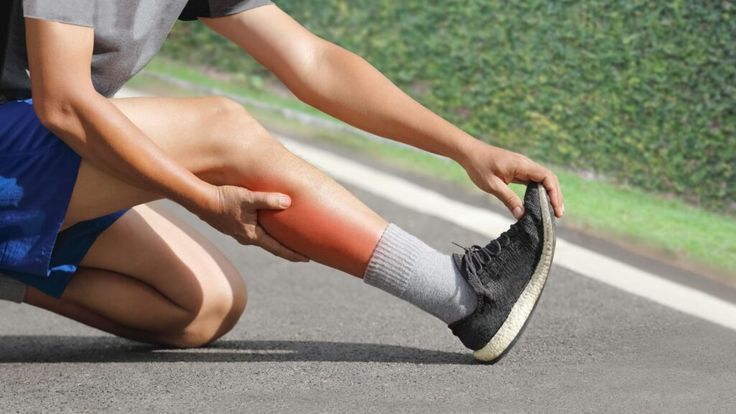
Muscle cramps are sudden, involuntary contractions of one or more muscles. They often cause sharp pain and may leave the muscle feeling tight or knotted for several minutes.
Common spots include:
- Calves
- Thighs
- Feet
- Hands
Why Do Muscle Cramps Happen?
Several factors trigger muscle cramps:
- Dehydration: Low fluid levels make muscles more prone to spasms.
- Electrolyte imbalance: Lack of potassium, magnesium, or calcium can trigger cramps.
- Overuse of muscles: Pushing too hard during exercise causes fatigue and cramping.
- Poor circulation: Restricted blood flow may lead to spasms.
Way 1: Stay Hydrated
One of the simplest fixes is drinking enough water. Muscles rely on proper hydration to contract and relax smoothly.
- Drink water consistently throughout the day, not just when you’re thirsty.
- During workouts, replace lost fluids with electrolyte drinks if needed.
Way 2: Stretch and Massage
Stretching
If a cramp strikes, gently stretch the affected muscle. For example, if your calf cramps, pull your toes upward toward your knee.
Massage
Massaging the tight muscle boosts blood flow and helps it relax. Use slow, firm pressure with your hands or a foam roller.
Way 3: Apply Heat or Cold
- Heat therapy: A warm towel or heating pad relaxes tight muscles.
- Cold therapy: An ice pack numbs pain and reduces inflammation, especially after intense exercise.
Magnesium Spray: Benefits for Sleep and Muscle Recovery
Way 4: Maintain Proper Nutrition

Your diet plays a major role in preventing cramps. Key nutrients include:
- Potassium: Bananas, oranges, and avocados
- Magnesium: Nuts, seeds, and leafy greens
- Calcium: Dairy products and fortified plant-based milk
A balanced diet ensures your muscles function smoothly.
Way 5: Exercise and Strength Training
Regular exercise strengthens muscles and improves circulation, reducing the chance of cramps.
- Include stretching in warm-ups and cool-downs.
- Focus on endurance training to prevent fatigue-related cramps.
- Avoid overtraining, which strains muscles.
Additional Tips to Prevent Muscle Cramps
- Wear comfortable, supportive footwear.
- Avoid sitting or standing in the same position for long periods.
- Practice good posture to reduce unnecessary strain.
When Muscle Cramps Might Signal a Health Issue
While most cramps are harmless, chronic or severe cramps could indicate an underlying problem such as:
- Nerve compression
- Circulatory issues
- Diabetes
- Thyroid disorders
If cramps occur frequently or interfere with daily life, consult a doctor.
Conclusion
Muscle cramps may be common, but they don’t have to control your life. By staying hydrated, stretching, eating nutrient-rich foods, and maintaining strong muscles, you can stop cramps in their tracks. The next time a cramp strikes, you’ll know exactly what to do.
READ MORE ABOUT MUSCLE CRAMPS