Menopause is a natural transition that every woman experiences, yet it’s often misunderstood or even feared. Many associate it only with hot flashes and mood swings, but in reality, menopause is a gradual process with three distinct stages. Knowing what to expect helps women prepare, manage symptoms, and embrace this life stage with confidence. Stages Of Menopause
What Is Menopause? Stages Of Menopause
Menopause marks the end of a woman’s reproductive years, defined as 12 consecutive months without a menstrual period. It usually happens between ages 45 and 55, though timing varies. Contrary to myths, menopause isn’t a sudden event, it’s a journey through phases of hormonal changes.
The 3 Main Stages of Menopause Stages Of Menopause
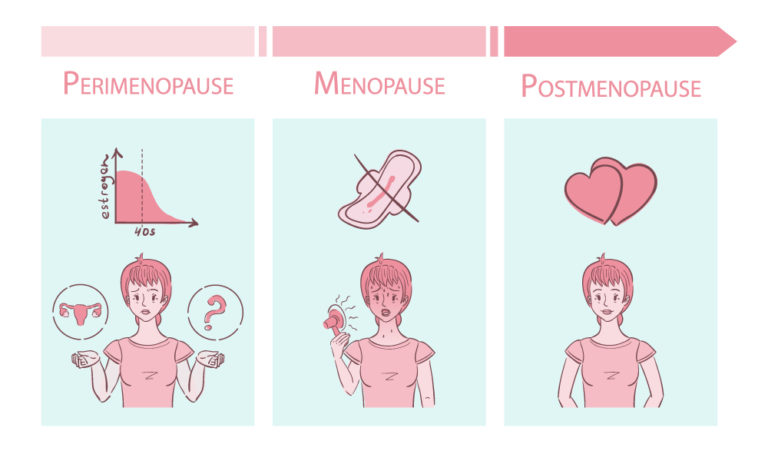
Menopause happens in three stages:
- Perimenopause – the transitional phase before menopause.
- Menopause – when periods stop completely for 12 months.
- Postmenopause – the stage after menopause, lasting the rest of a woman’s life.
Stage 1: Perimenopause Stages Of Menopause
Perimenopause usually starts in a woman’s 40s, though it can begin earlier. It often lasts 4–10 years before menopause officially begins.
Common Symptoms in Perimenopause Stages Of Menopause
- Irregular or skipped periods
- Hot flashes and night sweats
- Mood swings and irritability
- Sleep problems
- Vaginal dryness
Hormonal Changes in Perimenopause Stages Of Menopause
Estrogen and progesterone begin to rise and fall unpredictably, causing irregular ovulation. These hormonal shifts explain the variety of symptoms—from physical discomfort to emotional ups and downs.
Stage 2: Menopause Stages Of Menopause
Menopause is confirmed when a woman hasn’t had a period for 12 consecutive months. The ovaries stop releasing eggs, and estrogen levels drop significantly.
Signs and Symptoms
- Persistent hot flashes
- Thinning hair
- Weight gain, especially around the abdomen
- Loss of skin elasticity
- Emotional changes like anxiety or sadness
Common Symptoms During Menopause
Hot flashes and night sweats are the most recognized symptoms, but they’re not the only ones. Many women also experience:
- Insomnia due to hormonal changes
- Cognitive shifts like forgetfulness or brain fog
- Mood swings, often linked to declining estrogen
Stage 3: Postmenopause
Postmenopause begins right after menopause and continues throughout a woman’s later years. While many symptoms may ease, health risks increase due to lower hormone levels.
Health Risks to Be Aware Of
- Higher risk of osteoporosis
- Increased chance of heart disease
- Vaginal dryness and discomfort during intimacy
Bone Health and Menopause
Estrogen helps protect bone density. After menopause, the drop in estrogen increases the risk of osteoporosis. Women should consider calcium-rich foods, vitamin D, and weight-bearing exercise to strengthen bones.
Heart Health After Menopause
Estrogen also supports cardiovascular health. When levels fall, the risk of high cholesterol, high blood pressure, and heart disease rises. Maintaining a healthy diet and regular exercise routine becomes even more important.
Emotional and Mental Health Changes
Some women experience increased anxiety, depression, or mood swings during menopause. Support from loved ones, therapy, and self-care strategies can make a big difference.
How Lifestyle Choices Impact Menopause
Simple lifestyle habits can ease menopause symptoms:
- Balanced diet with fruits, vegetables, whole grains, and lean protein
- Regular physical activity to reduce hot flashes and support mood
- Stress management through meditation, yoga, or deep breathing
- Limiting caffeine and alcohol to prevent sleep disruption
Medical Treatments for Menopause Symptoms
For women with severe symptoms, treatments may include:
- Hormone Replacement Therapy (HRT): Helps balance estrogen and progesterone but requires medical supervision.
- Non-hormonal medications: For hot flashes and mood changes.
- Natural remedies: Such as black cohosh, flaxseed, or soy (though effectiveness varies).
The Importance of Tetanus Vaccine
Supporting Women Through Menopause
Menopause isn’t just a physical transition, it’s an emotional transition too. Families and communities can help by:
- Encouraging open conversations
- Breaking the stigma around menopause
- Offering patience and understanding
Conclusion
The three main stages of menopause are perimenopause, menopause, and postmenopause marks a natural transition in a woman’s life. While symptoms can be challenging, knowledge and preparation empower women to manage changes effectively. Menopause is not an ending, but rather a new chapter filled with opportunities for growth, health, and self-discovery.
Read More About Menopause